
When Should You Use a Transfer Lift Belt for Seniors?
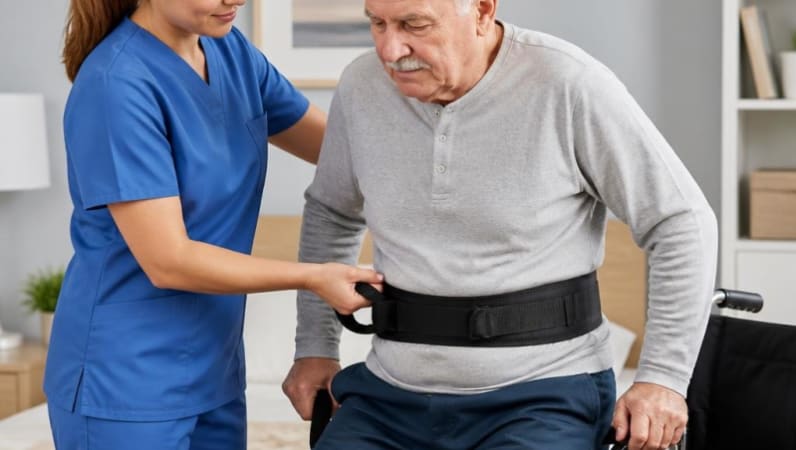
If you have ever helped an older parent stand from a chair, move from bed to wheelchair, or take a careful first few steps after an illness, you already know how delicate those moments can be. In Kanata, where winter ice, slippery entryways, and long stretches of time indoors can make mobility more challenging, a transfer lift belt can become an unexpectedly useful part of everyday care. Renting a Transfer Lift Belt in Kanata is not about replacing hands-on caregiving; it is about making short, supported movements safer and less stressful for everyone involved. For family members, PSWs, and rehab users, it can reduce the risk of awkward pulling, improve control, and help a person participate more confidently in the transfer.
This Expert Pick in our Medical-Accessories category is a practical choice for temporary needs, especially when recovery is expected to improve over time. The used_like_new condition makes it a dependable rental option for short-term home care, post-surgery support, or a visiting relative who needs help getting around while staying in familiar surroundings. With padded hand grips, a quick-release buckle, and an extra-long adjustable waist strap up to 132 cm, it offers thoughtful support without overcomplicating the process. The key is knowing when a transfer lift belt is the right tool, when it is not, and how to use it well in a real home environment. That is what we will walk through here, with practical advice shaped for Kanata households and local care routines.
What a Transfer Lift Belt Is Designed to Do
A transfer lift belt is a support aid used to help a person stand, turn, walk short distances, or move safely from one place to another. It is often called a gait belt, and it is especially helpful when a caregiver needs better hand placement and more control during a brief assisted movement. The padded handles give the caregiver a secure grip, which can be much easier on the hands than holding clothing, shoulders, or arms. The quick-release buckle also matters because it allows the belt to be put on and removed quickly without a lot of fumbling. In day-to-day care, those little details can make a big difference when someone is tired, nervous, or in a hurry. It is a support tool, not a full-body lifting device, so the goal is always to assist movement rather than carry the person’s weight entirely. This distinction is important for safety, comfort, and realistic expectations. When used correctly, the belt can help the person feel steadier and the caregiver feel more prepared.
Many people first consider renting a Transfer Lift Belt in Kanata after a hospital discharge or during a rehab phase when the person can still do some of the work themselves. That is where the belt shines. It is ideal for standing from a chair, helping someone pivot to a wheelchair, guiding them on a short walk, or assisting with repositioning at the edge of a bed. It can also be useful for caregivers who want a safer grip while practicing walking routines prescribed by a physiotherapist or nurse. Because the strap is adjustable, it fits many body types and can be adapted to the person and caregiver’s setup. The waist support is soft, which helps reduce strain and makes short transfers feel more controlled. In a used_like_new rental, you get the benefit of a well-kept item that is ready for temporary use without the need to buy equipment that may only be needed for a few weeks. That is particularly practical for families managing short-term recovery at home.
A helpful way to think about the belt is as a bridge between independence and full assistance. For example, if a senior can stand with a little verbal cueing but becomes unsteady during the turn to the chair, the belt provides an extra layer of security. If a person needs to practice walking after a minor procedure, the caregiver can guide the movement without gripping the arms or risking a pull on sensitive joints. It is also useful when a person has low stamina and needs frequent rest breaks. The caregiver stays close, maintains steady posture, and uses body positioning rather than arm strength alone. That approach is safer for both people. It is also easier to repeat multiple times throughout the day, which matters when home care routines are busy. In short, the belt is best for short, supported, cooperative movement, not for lifting someone who cannot bear weight at all.
In real homes, the difference between a smooth transfer and a stressful one often comes down to preparation. A transfer belt gives caregivers a clear place to hold, which reduces the instinct to grab under the arms or pull on clothing. It also helps keep the movement centered around the person’s balance rather than their shoulders. If you have ever assisted someone and felt unsure about where to place your hands, you know how reassuring this can be. For families caring for an aging parent in Kanata, it can be especially helpful during busy mornings, after a shower, or when moving from couch to walker. The belt is not flashy, but it is one of those medical accessories that quietly improves the daily rhythm of care. That is why it is often chosen for temporary home recovery, short rehab plans, and practical support during transitions. When matched with realistic expectations, it becomes a simple tool that makes a hard task safer.
It is also worth noting that the belt supports participation. A senior who can push from a chair or take a step with some guidance often feels more confident than someone who is being fully lifted. That sense of involvement can matter emotionally, especially after surgery or a hospital stay. People often want to keep as much independence as possible, and a transfer belt can preserve that feeling while still offering protection. The caregiver remains in control of the process, but the person being assisted stays engaged. This is one reason therapists often like gait belts in rehab settings. They are practical, low-tech, and easy to understand. For short-term needs around Kanata, that simplicity is an advantage. It is easier to teach, easier to use, and easier to fit into a home care routine than more complex equipment. When the job is safe short-distance support, a transfer lift belt is often exactly the right tool.
The other strength of this type of rental is flexibility. Because the waist strap is extra long and adjustable, it can work for a range of users without much adjustment time. The padded handles also help different caregivers use the belt more comfortably, whether it is a spouse, adult child, PSW, or visiting relative. That matters when care shifts between people during the day or over the course of a recovery period. A useful transfer aid should not create confusion, and this one is straightforward enough for most households to learn quickly. If you are trying to keep a loved one safe during a temporary mobility setback, having a reliable belt on hand can take some of the uncertainty out of the routine. That peace of mind is often just as valuable as the physical support itself.
When Seniors Benefit Most from Using One
The most common time to use a transfer lift belt is when a senior can still assist with movement but needs extra stability. That may be after a hip or knee procedure, during recovery from a hospital stay, or while regaining strength after being less active for a period of time. In those situations, the person may not be ready for independent movement, but they may be able to stand, pivot, or take a few steps with guidance. The belt helps the caregiver support that motion safely. It is especially useful for brief transitions rather than long walks or heavy lifting. If the person is alert, cooperative, and able to follow cues, the belt often fits neatly into the care routine. In many cases, the caregiver simply needs a better grip and a safer way to guide the body’s center of balance. That is what the belt provides. It is a straightforward solution for a very common stage of recovery.
Another situation where the belt helps is with elderly care at home when mobility is inconsistent from one moment to the next. A person may seem steady when sitting, but then become dizzy when standing, tired after a meal, or hesitant on a cold winter morning. In Kanata, that can happen more often in the colder months when people stay indoors, move less, and feel stiffer as the day begins. A transfer belt gives the caregiver a way to help without overreaching. It can also reduce the risk of a sudden pull on the arms if the person loses balance. For family caregivers, that matters because many are helping in ordinary homes, not clinical spaces. Hallways may be narrower, furniture may be fixed in place, and there may be rugs, thresholds, or tight corners to consider. A belt supports controlled movement through those real-life obstacles.
One of the clearest signs that a transfer belt may be appropriate is when the person can follow instructions and participate in the transfer. That participation might mean leaning forward, pushing up from the chair, standing with help, or taking a few steps while guided. It does not need to be perfect strength. It simply needs to be enough cooperation for the movement to be shared. The belt is not meant for someone who cannot support any weight, is fully dependent, or is unsafe to move without specialized lifting equipment. Using it in the right scenario is what makes it valuable. It gives structure to a movement that might otherwise feel unstable. It also allows caregivers to use proper body mechanics, keeping their backs and shoulders in a safer position. That balance of support and participation is the reason so many home caregivers find gait belts helpful.
Short-term rehab is another natural use case. After a procedure, a therapist may encourage a few steps at a time or a standing exercise routine. A transfer lift belt can help the caregiver assist with those sessions at home, especially when the exercise space is the living room or bedroom rather than a therapy clinic. In apartments, townhomes, or smaller homes around Kanata, it is useful to have equipment that does not require a lot of storage space or setup time. The belt can be brought out when needed and put away easily. This makes it a practical rental for temporary care, particularly when there is no reason to purchase a more permanent mobility aid. The same is true for visiting family members who arrive to help for a few weeks after surgery or during a difficult recovery period. A belt can make that support more organized and less physically demanding. It helps everyone move with a bit more confidence.
There are also emotional cues to watch for. Seniors sometimes become anxious when they sense they may lose balance, and that anxiety can make transfers even harder. A secure belt can calm the situation because the person knows someone has a firm, steady hold. That reassurance can encourage better cooperation and fewer sudden movements. For caregivers, the calm often follows from the same source: clear hand placement, a predictable grip, and a simple routine. In that way, the transfer belt supports not just mechanics but trust. That trust matters in home care, where relationships are personal and every transfer is part of a larger recovery story. If someone is regaining confidence after hospitalization or learning to move after a setback, having the right aid at the right moment can help them feel less vulnerable. That is often when the belt becomes most valuable.
During Kanata’s winter months, the need can become even more obvious. Cold weather makes muscles tighter, and slippery outdoor conditions can lead to careful, hesitant indoor movement as people return from appointments or outings. A senior who is tired after navigating snow, boots, and curb cuts may need a stable hand once they are back inside. The transfer belt helps with those final few steps from doorway to chair, or from car to front hall if the caregiver is assisting in a safe environment. It is not the whole solution to winter mobility, but it is part of a better system. Small supports like this can make home recovery feel more manageable when the weather is working against everyone. In practical terms, that means fewer awkward lifts and more controlled transitions. That is the kind of help families appreciate most.
One more useful sign is the presence of temporary caregiving. If a PSW, adult child, or spouse is covering a short period of support, a transfer belt gives them a common tool to use consistently. It reduces guesswork and makes instructions easier to follow. That is especially helpful if the person receiving care has already been told by a clinician to use guided transfers. In those cases, consistency matters. The belt helps everyone use the same approach rather than improvising with each movement. This is one reason renting a Transfer Lift Belt in Kanata makes sense for short care windows. It is simple, practical, and easy to integrate into a home care plan without unnecessary complication. When the goal is safer movement, that simplicity is a real advantage.
How to Use a Transfer Lift Belt Safely at Home
Safe use starts with fit. The belt should sit snugly around the person’s waist over clothing, not so loose that it slips, and not so tight that it causes discomfort. Before beginning, the caregiver should check the quick-release buckle and make sure it is fully secured. The padded handles should be positioned where the caregiver can reach them without twisting awkwardly. It also helps to clear the path before standing or turning. Remove loose rugs, move side tables if needed, and make sure the destination chair or bed is ready. Small home adjustments can prevent a transfer from becoming a balancing act. In a Kanata home, that might mean accounting for boots, wet floors near the entrance, or a narrow hallway with limited turning space. The more prepared the space is, the easier the transfer will feel. Good setup is part of good technique.
The caregiver should use steady body positioning rather than pulling with the arms. That means standing close, bending at the knees when needed, and guiding the movement with controlled pressure. A transfer belt works best when the person being assisted can contribute at least partially. If they can push up from a chair, shift their weight forward, or take a step, the transfer becomes much safer and smoother. This is where the belt’s padded hand grips matter. They allow the caregiver to maintain control without grabbing clothing or sensitive areas. It also lowers the risk of sudden slips. Many first-time users are surprised by how much calmer the process feels once they stop relying on instinctive arm pulling. The goal is controlled support, not force. When caregivers remember that, the belt becomes far more effective.
Here is a simple step-by-step way to think about a home transfer. First, explain the movement clearly to the senior so they know what will happen. Second, check the belt placement and buckle security. Third, ensure the person’s feet are flat on the floor and positioned in a stable stance. Fourth, count down before the move so both people act together. Fifth, guide the person to stand or pivot using the belt and your own balanced posture. Sixth, make sure the person is fully settled before letting go. This routine may sound basic, but that is part of its strength. Predictability reduces stress. A person who has had a recent surgery or is feeling weak may need that extra reassurance. Families often find that once they practice the same transfer several times, the entire process becomes smoother and less emotionally tense.
It is also important to know what not to do. A transfer lift belt should never be used as a substitute for appropriate lifting equipment when a person cannot bear weight or when the clinician has advised against assisted standing. It should not be placed over open wounds, sore ribs, or painful abdominal areas. It should also not be used if the caregiver is alone in a situation that feels unsafe or beyond their ability. The belt is a tool, not a challenge to physical limits. If a transfer feels unstable, it is better to stop and reassess than to push through. That is especially true during home care after a fall or acute illness. If instructions from a physiotherapist, nurse, or doctor are available, they should guide the process. In that sense, the belt works best as part of a broader care plan, not as a stand-alone solution.
For families in Kanata, seasonal conditions can influence safety more than people expect. In winter, socks may be slippery on hardwood floors, and indoor heating can dry out the air, leaving seniors stiff or slow to react. It can help to use supportive footwear, keep pathways well lit, and avoid rushing the first transfer of the day. Morning transfers often require extra patience because stiffness tends to be worse after lying down overnight. The belt can help, but it cannot replace a thoughtful pace. Likewise, if the person has just returned from an appointment in snow or slush, it is smart to pause, let them settle, and then proceed. These small habits reduce the chance of sudden instability. Good caregiving is often about timing as much as technique.
A humanized example may make this clearer. One Kanata family caring for a grandmother after a short hospital stay found that the hardest moment was not the bed itself but the turn from walker to chair in the living room. She could stand, but she wobbled when she needed to pivot. Using a transfer belt gave her daughter a place to guide the movement without tugging on her arms. The whole process became less tense, and the grandmother said she felt more secure because she knew exactly where the support was coming from. That kind of feedback is common. The device may be simple, but the emotional effect can be meaningful. It often turns a feared task into a routine one, which is a big improvement during recovery.
If you are renting a Transfer Lift Belt in Kanata for the first time, a few minutes of practice can go a long way. Try the belt during a low-pressure moment rather than waiting for a rushed transfer. Learn how the buckle opens, how the strap tightens, and where your hands feel most secure. Confirm whether the assisted person can stand with one cue or two, and notice what helps them feel stable. This practice makes the real transfer much easier. It also gives the caregiver a chance to adjust body mechanics before caring for someone in a more vulnerable moment. Confidence is a safety tool too, and practice builds it quickly.
One final safety point is communication. The senior should know the count before standing, the direction of the move, and where they are going to sit. This reduces hesitation and sudden shifts. If they are recovering from surgery or feeling unsteady, even small surprises can cause tension. Clear words, steady pacing, and a reliable grip all work together. When the belt is used in this way, it feels less like a medical device and more like part of a respectful caregiving rhythm. That is exactly how it should be at home.
Why Renting Makes Sense for Temporary Care in Kanata
Many families do not need a transfer belt permanently. They need it during a short recovery window, after discharge from the hospital, or while helping a relative regain strength at home. Renting fits that reality well. It allows you to use a practical aid only as long as it is needed, rather than storing equipment that may go unused later. For a Medical-Accessories item like this, that kind of flexibility is a strong advantage. It is particularly useful in Kanata, where families may suddenly need support after an appointment, surgery, or unexpected mobility change. Instead of rushing to improvise, they can bring a transfer aid into the care routine quickly. That can reduce stress in a time when everything already feels busy. Temporary care often demands temporary solutions, and a rental is a clean match for that need.
The used_like_new condition is also worth noting because it signals that the belt is intended to be functional, clean, and ready for practical use. People often worry that a rental may feel worn out or difficult to use, but a well-maintained transfer belt should be straightforward and dependable. The padded handles, buckle, and adjustable strap matter more than appearance. What matters most is whether the tool feels secure and easy to work with. In a home setting, that reliability helps the caregiver focus on the person rather than the equipment. The simplicity of the belt is part of its appeal. There is no learning curve involving motors, batteries, or complicated setup. You place it, secure it, and use it with proper technique. That makes it especially approachable for family caregivers who are helping for the first time.
Renting can also be a smart choice when care needs are changing. A senior may begin with help standing from bed, then move to short supervised walks, and later only need occasional support at the end of the day. That progression is common during rehabilitation. A rental lets the family match the equipment to the stage of recovery without making a long-term decision too early. It also helps when a visiting family member comes to Kanata for a few weeks to assist and does not want to purchase equipment for a temporary stay. In those cases, the transfer belt provides a practical bridge between hospital instructions and real life at home. It supports continuity while keeping the overall care plan flexible. That is often what people need most during recovery: not more complexity, but better timing.
Local context matters too. In neighborhoods across Kanata, homes vary widely, from older layouts with tighter bathrooms to newer spaces with more open living areas. Some seniors are managing stairs, while others are in single-level spaces but still need careful transfers because of weakness or pain. A transfer lift belt adapts to those conditions better than many larger aids because it does not require a dedicated room or large footprint. It can be used beside a bed, in a living room, or near a recliner, which suits the realities of home care. During winter, when people may be inside for longer periods, the same tool can support repeated daily routines without taking up much space. That practicality is one reason it belongs in the list of items families often rent rather than buy outright.
It is also useful for caregivers who are balancing several responsibilities. Perhaps someone is helping a parent in the morning, driving a child to school in the afternoon, and returning later for another check-in. A compact aid like this fits into that lifestyle. It is easy to store, easy to explain, and easy to bring out when needed. For PSWs and family members working together, it can make transitions between caregivers smoother. Everyone is using the same support aid and the same transfer approach. That consistency lowers the chance of confusion and improves the overall care experience. When the goal is safer movement at home, consistency matters a great deal.
Another reason families in Kanata appreciate a rental is the emotional relief of not overcommitting. Recovery can change quickly. What seems like a short rehabilitation period can become slightly longer, or the opposite may happen if strength returns sooner than expected. A rental allows the family to respond without feeling tied to a purchase that no longer fits. That flexibility is especially valuable after discharge, when routines are still settling. It also helps families feel proactive. They are not waiting for a problem to become serious; they are bringing in the right support before small transfers become unsafe. That is often the best time to act. A transfer belt is small, but in the context of home care, small preventive steps can make the biggest difference.
From a maintenance perspective, renting also means less responsibility for long-term storage and upkeep. The user can focus on safe handling, correct fit, and proper daily checks rather than worrying about whether the equipment is being kept for future use. Since the item includes a quick-release buckle and adjustable strap, the main routine is simple: inspect before use, keep it clean, and store it in a dry place. For short-term users, that is manageable and reassuring. In practical terms, renting a Transfer Lift Belt in Kanata is a straightforward way to support recovery without building a permanent collection of unused mobility aids. It brings the right tool into the home at the right time, which is exactly what many families need.
How to Care for the Belt and Know When to Replace the Plan
Even though a transfer belt is a simple device, basic care matters. After use, it should be checked for any visible wear, dirt, or damage to the buckle and seams. The padded handles should remain secure, and the strap should adjust smoothly. If the belt becomes damp from winter clothing, snow, or sweat, it should be allowed to dry properly before storage. Keeping it clean and dry helps preserve both comfort and safety. Because this rental is designed for temporary support, a little regular attention goes a long way. Families often appreciate that it does not require complicated maintenance. A quick inspection before each use is usually enough to build confidence. In a home setting, simple habits like these create a safer routine.
It is also useful to keep the belt in a predictable place. Many caregivers store it near the chair, bed, or mobility area where it is most often needed. That makes it easier to remember and quicker to grab when the transfer is about to happen. When equipment is out of sight, it is easy to forget. When it is available at the right moment, it becomes part of the flow of care. Because the item is compact, it does not need much space. That is helpful in apartments, smaller homes, and busy family environments. In Kanata, where winter clothing and boots already take up extra room, having a compact mobility aid is a welcome advantage. Organization is part of safety, especially when several people may be helping the same senior.
Knowing when to stop using the belt is just as important as knowing when to start. If the person becomes too weak to participate, if transfers begin to feel unstable, or if pain increases during movement, the plan should be reassessed. A gait belt is not the answer for every stage of mobility change. It works best for short transfers where the person can still assist. If that is no longer the case, a clinician may recommend a different approach or a more supportive device. This is why it is wise to follow physiotherapist, nurse, or doctor instructions when they are provided. Care plans change as recovery changes. The right tool today may not be the right tool next week. Paying attention to those shifts is part of good caregiving.
Another sign that the plan may need to change is caregiver strain. If the person assisting is struggling physically, twisting too much, or feeling uncertain every time they help, it may be time to pause and evaluate the setup. No belt should encourage unsafe lifting or overconfidence. It is there to improve alignment, support, and control. If those benefits are not happening, the process needs adjustment. Sometimes that means changing the angle of approach, clearing more space, or getting additional help. Sometimes it means moving to a different mobility aid entirely. The important thing is to treat the belt as part of a dynamic care plan, not a rigid solution. That flexibility is what makes it useful in real homes.
Here is a quick home-care checklist that many families find helpful when using one of these belts:
- Confirm the buckle is fully secure before every transfer.
- Place the belt over clothing, snugly around the waist.
- Keep the path clear of rugs, cords, and clutter.
- Use steady posture and leg strength rather than arm pulling.
- Make sure the person can participate in the movement.
- Stop and reassess if pain, fear, or instability increases.
That small routine can prevent a lot of uncertainty. It also gives caregivers a repeatable process, which is especially helpful when multiple family members share responsibility. Everyone can use the same safety habits, and that consistency makes the home environment calmer. In many cases, that is what helps the recovery period feel manageable. A good tool should make the day easier, not harder.
Expert note: families often wait until a transfer becomes difficult before looking for help, but it is usually better to prepare earlier. If you already know a senior will need support after discharge, or if winter mobility is likely to be more complicated, arranging a belt in advance can prevent a rushed decision later. That is one of the practical benefits of renting a Transfer Lift Belt in Kanata. It lets you respond thoughtfully to a known need, rather than improvising in the middle of a stressful morning. In caregiving, that kind of preparation is often the difference between a tense transfer and a smooth one.
Finally, remember that dignity is part of safety. Seniors often feel more comfortable when the assistance is quiet, respectful, and predictable. A transfer belt supports that atmosphere because it gives the caregiver a clear method without making the person feel overhandled. It can preserve independence while still offering protection. That balance is valuable in the home, where recovery is not just about movement but about confidence, routine, and feeling respected. The best care tools are the ones that help a person keep moving while still feeling like themselves.
A transfer lift belt is most useful when a senior needs help with short, controlled movements but can still take part in the transfer. That makes it a strong choice for bed-to-chair moves, standing support, short walking practice, and temporary recovery at home. In Kanata, where winter conditions, indoor routines, and post-hospital care can all add stress to mobility, a reliable gait belt can make daily life feel safer and more manageable. The used_like_new condition, padded handles, quick-release buckle, and extra-long adjustable strap all contribute to a simple but effective caregiving tool. It is not meant to replace proper lifting equipment or professional guidance, but it can be a very practical support aid when used correctly.
If you are considering renting a Transfer Lift Belt in Kanata, think about whether the person can participate in the movement, whether the transfer is short and controlled, and whether the home environment is ready for safe support. Those three questions usually point you in the right direction. With thoughtful use, the belt can reduce strain, improve confidence, and make recovery at home more comfortable for everyone involved. For many families, that is exactly the kind of help they need during a temporary care period.
About The Author
