
Should You Use a KneeSled After Knee Surgery Recovery?
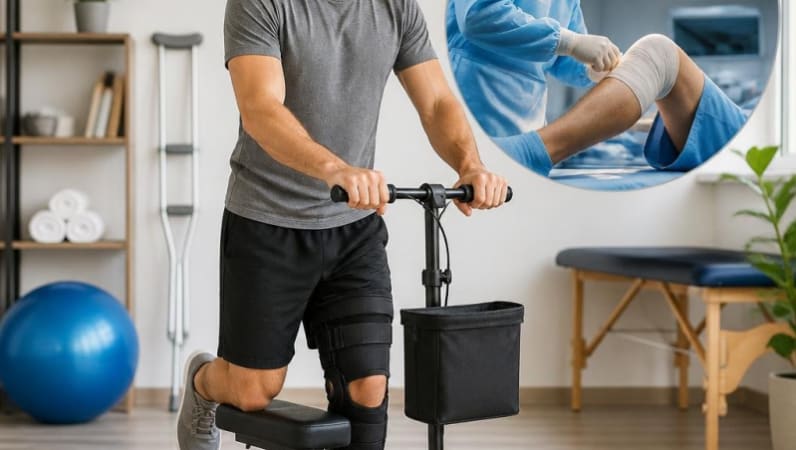
After knee surgery, the small choices you make at home can shape how smoothly recovery moves forward, especially in a place like Kanata where winter sidewalks, icy driveways, and everyday stairs can make mobility feel like a bigger project than it used to be. A KneeSled Knee Rehab Stretcher can be a helpful tool for gentle range-of-motion work when your surgeon or physiotherapist wants controlled movement between appointments. For many people, renting a KneeSled Knee Rehab Stretcher in Kanata is less about convenience alone and more about staying consistent with a rehab plan without buying equipment that may only be needed for a few weeks or months.
This guide looks at what a KneeSled does, who it may help after surgery, and how it fits into real home recovery routines. It also explains why the Used_Like_New condition matters, how the manual design supports quiet home use, and what to consider if you live in a condo, townhouse, or family home in Kanata. If you are trying to keep your recovery steady during a busy season, or you want a practical way to work on flexion and extension safely at home, this article will help you decide whether a KneeSled is the right fit.
What a KneeSled Actually Does During Knee Recovery
A KneeSled is a simple rehabilitation device designed to support controlled bending and straightening of the knee. Unlike larger powered machines, this manual platform asks you to move at a pace that matches your comfort level and your clinician’s guidance. That slower, more deliberate motion is useful after knee replacement, arthroscopic procedures, sports injuries, or periods of stiffness that follow reduced activity. The goal is not to force the knee but to encourage a smoother range of motion over time. For many renters, that makes the KneeSled feel approachable rather than intimidating. It also means you can use it in a bedroom, living room, or other quiet space without needing any electricity.
Because the KneeSled is a manual tool, it is well suited to home setups where simplicity matters. You do not need a charger, an outlet, or a complicated assembly routine. The sliding rehab platform, foot support, guide cords, and hand grips give you a stable structure for repeatable exercises. That predictability is useful when you are trying to follow a recovery schedule and track small improvements from one day to the next. In practical terms, it can help make rehab feel like part of a normal home routine instead of a separate medical event. Many people find that this lowers the barrier to keeping up with their exercises consistently.
One of the reasons the KneeSled is often discussed after surgery is that early recovery can feel frustratingly slow. Stiffness is common, and the knee may not want to cooperate right away. A device like this can provide a measured way to work on motion without jumping into anything overly aggressive. That is especially important if your physiotherapist has told you to keep movement smooth and controlled. Sharp pain is never the target, and with a device like this, you can stop when you feel that your body is giving you a warning signal. The emphasis is always on gradual progress rather than speed.
For patients in Kanata, the local environment can make mobility work even more relevant. In colder months, people tend to move less, and that can make stiffness feel worse. Snow piles near entrances, wet floors from boots, and slippery conditions outdoors can also make walking sessions feel more draining than they should. A KneeSled at home gives you a way to stay engaged with rehab even when weather makes a neighborhood walk less appealing. If you live near busy areas like Kanata Centrum, Morgan’s Grant, or Bridlewood, just getting out for therapy can already take effort. Having a home-based stretching tool can make your plan easier to maintain between visits.
The included hand grips and guide cords also matter more than many first-time renters realize. They help you keep motion organized and controlled, which is especially useful when you are still regaining confidence after surgery. In some cases, the device may be used for the knee itself, but it can also support nearby muscles like the hip and hamstrings. That broader stretch support can be helpful when a clinician is trying to reduce compensation patterns and restore balanced movement. If you have been guarded with your leg for a while, you may notice that surrounding muscles feel tight as well. A KneeSled can provide a structured way to address that whole chain.
It is worth remembering that the best rehab tool is the one you can actually use correctly and consistently. A KneeSled fits that idea well because it is compact, stable, and easy to understand. You can set it up, follow your plan, and keep the session short if that is what your body needs that day. That practicality is often what makes it such a smart rental choice, especially for temporary recovery. The more you can fit rehab into the rhythm of daily life, the easier it becomes to stay on track.
When Renting Makes More Sense Than Buying
Recovery timelines are not always predictable, and that is one of the strongest reasons people consider renting a KneeSled Knee Rehab Stretcher in Kanata. If your surgeon or physiotherapist expects you to use a knee range-of-motion aid only for a limited period, buying one can mean owning equipment that soon sits unused in a closet. Renting gives you access to the tool when you need it most, without the long-term commitment. That is especially practical if your therapy plan may change from week to week. Many home rehab needs are temporary, but they still deserve the right support while they are active. A rental can fill that gap neatly.
Another important consideration is space. Not everyone has a dedicated recovery room, and many households in Kanata are already balancing family schedules, work-from-home setups, and seasonal gear. A compact manual rehab tool fits more easily into a condo or townhouse than larger medical equipment might. The KneeSled’s stable platform and small footprint make it a realistic option for bedrooms, living rooms, and basement spaces. You can keep it close without turning your home into a clinic. For people who value privacy during recovery, that can be a big advantage.
There is also the issue of uncertainty around post-surgical comfort. Some people recover quickly and move through equipment needs faster than expected, while others need more time and more frequent sessions. Renting lets you adapt to that uncertainty without overcommitting to a purchase. If your knee responds well, you are not left with unnecessary equipment afterward. If your rehab team recommends extending use, you can continue with a familiar device instead of searching for another solution. That flexibility can reduce stress at a time when you are already managing follow-up appointments, medication schedules, and basic daily tasks. A rental can make recovery feel more manageable from a planning standpoint.
The condition category also matters. Used_Like_New equipment can offer a reassuring balance between value and cleanliness when it is properly maintained and inspected. For many renters, that is enough to feel comfortable using the device at home. It suggests the item has been cared for and remains in good working order, which is important for something meant to support controlled movement. In rehab, reliability is not a minor detail. You want the platform to feel stable, the motion to be smooth, and the guidance components to work as intended. That confidence helps you focus on the exercise itself rather than on the equipment.
Renting can also be more convenient if you are helping a parent, spouse, or relative recover. Families in Kanata often coordinate care across multiple responsibilities, and the logistics of rehabilitation can add up quickly. A rental removes one more long-term item from the list to store, resell, or repurpose later. If you are already juggling transportation to physiotherapy, groceries, and weather-related delays, having one less purchase decision to make can feel like a relief. That is one reason medical accessories rentals remain practical for home recovery. They provide targeted support exactly when it is needed.
There is a human side to this choice as well. One Kanata renter described the feeling of coming home after surgery and realizing that even a short walk from the kitchen to the couch could make the knee swell. They did not need a dramatic solution; they needed something steady, quiet, and usable every day without setup hassle. The KneeSled fit that situation because it turned a difficult part of recovery into a short routine they could repeat. That kind of experience is common with home rehab tools. Sometimes the best equipment is simply the one that helps you keep going without making the day more complicated.
If you are unsure whether buying or renting is right, a good rule of thumb is to ask how long the device will realistically be used and whether your clinician expects your needs to change. Temporary, guidance-based rehab often favors rental. If the device is likely to serve a short phase of recovery, renting can keep your focus on healing instead of ownership. For many Kanata residents, that balance is exactly what makes the option worthwhile.
How to Use a KneeSled Safely at Home
Safety should always come first when using any home rehab device after surgery. The KneeSled is designed for controlled motion, but controlled does not mean rushed or pushed beyond what your body is ready for. Start by making sure the floor is stable and not slippery, since socks on smooth flooring can create avoidable risks. It helps to use the device in a clear area where you do not need to twist, reach, or step around clutter. Before beginning, check that you understand the exercise plan given by your clinician. If anything feels unclear, get clarification rather than guessing.
The best sessions are usually short, calm, and repeatable. Many people do better with frequent, measured practice than with one long session that leaves the knee sore or irritated. Move slowly, breathe normally, and avoid forcing the range if you feel resistance. You are aiming for gradual progress, not maximum effort. If the motion causes sharp pain, stop and reassess. The device can support stretching, but it should never be used to overpower your body’s warning signals. That principle is especially important after knee replacement or other post-operative recovery periods.
Here is a simple home-use approach that many physiotherapy plans resemble: first, sit or stand in a comfortable position and make sure the platform is set up according to instructions; second, place your foot securely in the support area; third, use the hand grips to guide the motion gently; fourth, let the knee bend or straighten only as far as comfortable; fifth, pause and repeat with smooth movement. This step-by-step rhythm keeps the exercise organized and reduces the chance of jerky motion. It also makes it easier to notice progress over days and weeks. Some people even jot down how the knee feels after each session so they can discuss trends with their therapist.
One practical tip for Kanata homes is to plan your sessions around the times of day when the floor is warmest and least busy. For example, if the front entry tends to be wet from winter boots, choose a room far from that traffic pattern. If you live in a family home near school pickup routes or evening activity, pick a quieter time when the area is less crowded. Small details like this can make your rehab routine feel safer and more focused. Recovery already demands attention, so reducing distractions is worthwhile. The calmer the environment, the easier it can be to stay consistent.
Another thing to remember is that recovery is rarely perfectly linear. Some days the knee will feel more cooperative, while other days stiffness or swelling may make the same movement feel harder. That does not necessarily mean something is wrong. It often means the body is still adapting. The right response is usually to stay within your approved plan, reduce intensity if needed, and keep notes for your physiotherapist. A KneeSled can support that kind of flexible routine because it is not tied to a fixed program or powered settings. You adjust the movement based on what your body and clinician say is appropriate. That adaptability is one reason the device can feel useful across different stages of rehab.
If you are recovering from surgery, it can also help to think about the rest of the day, not just the exercise itself. Gentle movement may be followed by rest, elevation, ice if prescribed, or a short walk around the house. These follow-up habits matter because the KneeSled is part of a larger recovery plan, not a standalone solution. The more thoughtfully you combine the tool with the rest of your routine, the better your odds of staying comfortable. In practical terms, this means avoiding the mindset that more is always better. With rehab, controlled consistency tends to win over intensity.
Finally, listen to your body with a little humility. Even motivated patients can be tempted to chase results too quickly, especially if they are used to being active in places like Kanata’s trails, rec centers, or neighborhood parks. Rehab is a different kind of effort. It rewards patience, not heroics. If you treat the KneeSled as a steady companion rather than a challenge to conquer, it can become a much more useful part of recovery.
Why Kanata Weather and Lifestyle Make Home Rehab Important
Kanata’s environment can make post-surgery recovery feel more demanding than expected. Winter often brings snow, slush, icy driveways, and cold air that can make joints feel stiff and cautious. Even short trips outside can take planning, which means staying consistent with rehab exercises at home becomes even more valuable. A KneeSled helps remove some of the friction from that process because you do not need to build a whole outing around a single stretching session. When the weather is unpleasant, a home tool can keep your routine intact. That matters when your recovery plan depends on repetition.
Seasonal changes affect more than footing. They also influence motivation, energy, and daily rhythm. In the darker months, people naturally spend more time indoors, which can lead to reduced movement and tighter muscles. If you are recovering from surgery, that can be a difficult combination. The KneeSled gives you a way to keep moving safely even when outdoor walking is limited. For many residents, it is a practical reminder that recovery does not have to pause because the weather turned. In fact, indoor rehab can become the anchor that keeps progress from stalling.
Local lifestyle plays a part too. Kanata is an active community, and many people want to get back to walking the neighborhood, visiting family, or enjoying community spaces again. But after surgery, the path back to those activities often begins with small home exercises. A KneeSled supports that transition by helping restore motion that makes everyday tasks easier. Bending the knee to climb stairs, getting in and out of a car, and standing up from a chair all depend on comfortable range of motion. The more stable your rehab routine is at home, the more likely those tasks will feel achievable sooner. That is why a simple manual device can have an outsized impact on quality of life.
There is also a practical case for using a home rehab tool in households with busy schedules. Many Kanata families are balancing work, school, commuting, and sports activities. That makes it hard to schedule every small rehab session around the clinic calendar. If you rent a KneeSled, the device is available when your body is ready, not only when the appointment book is open. That can take pressure off the recovery process. It also gives caregivers a more manageable way to support someone healing at home. Instead of wondering when the next clinic visit will happen, you can keep up with your plan in a more flexible way.
A helpful way to think about the KneeSled is as an everyday recovery tool for real homes, not a specialized machine that only works in a medical setting. It is compact enough for apartment living and simple enough for households that do not want extra clutter. The stable base and manual design make it friendly for quiet use, which is useful if you live with others or share walls with neighbors. That is one reason medical accessories in the Used_Like_New category can be such a practical match for home recovery. They give you the function you need without adding unnecessary complexity. For many people, that balance is exactly right.
If you are recovering during a colder stretch in Kanata, consider adding a few supportive habits around your sessions. Warm up the room a little if you can, keep your footwear nearby, and clear the floor before starting. Small environmental adjustments can improve confidence and reduce discomfort. Even a folded blanket or chair placed nearby for rest can make the session feel more manageable. These are simple details, but they help the rehab process fit into daily life more naturally. That is often what determines whether a home routine actually sticks.
Ultimately, the local context matters because recovery is lived at home, not in a brochure. Snowy walkways, condominium hallways, family interruptions, and limited storage all play a role in what is realistic. Renting a KneeSled in Kanata acknowledges those realities and gives you a tool that works within them. When the equipment fits the setting, rehab tends to feel less like an obligation and more like a steady habit.
What to Look for Before Starting and How to Keep the Routine on Track
Before you begin using a KneeSled, make sure you have clear guidance from your surgeon, physiotherapist, or rehab team. That guidance should tell you whether the device is appropriate for your stage of recovery and how often to use it. Because this is a medical-accessories rental rather than a treatment itself, the device works best when it is part of a broader plan. If you are in doubt, ask a clinician rather than making assumptions. Recovery plans after surgery can vary widely depending on the procedure and your personal progress. A careful start is usually better than a fast one.
It also helps to check the setup area and your own schedule before the first session. Pick a room with enough space to extend the device properly and keep loose rugs or cords out of the way. Choose a time of day when you are less likely to be interrupted, since interruptions can lead to rushed movement. If you have someone helping you at home, make sure they understand the goal is calm, measured motion. A little preparation goes a long way toward making each session feel smoother. In rehab, an organized environment can be just as important as the exercise itself.
Consistency is where most people notice the real benefit. A KneeSled is not about dramatic leaps in a single day. It is about building small, repeatable improvements that add up over time. You may notice that one week feels easier than the last, or that your knee tolerates a slightly larger range after steady practice. Those are the kinds of changes that matter. If you keep expecting instant progress, the process may feel discouraging. But if you measure success by the quality of your routine, the work becomes more satisfying. That mindset is especially useful when recovery overlaps with a busy household or winter weather.
Maintenance is straightforward, which is another reason the device suits home rental well. Since the KneeSled is manual and does not rely on batteries or charging, there are fewer moving parts to worry about. Still, it is smart to keep it clean, dry, and stored in a safe place when not in use. Avoid setting it down on wet flooring after snowy weather, and wipe it carefully if any moisture reaches the platform. This is especially relevant in Kanata during thaw cycles, when entryways can become damp throughout the day. Respecting the equipment helps it remain comfortable and reliable during your rental period.
Here is a quick checklist to keep your routine on track:
- Confirm that your clinician has approved the device for your recovery stage.
- Use the KneeSled on a flat, non-slippery surface.
- Keep sessions slow, controlled, and within your comfort level.
- Stop if you feel sharp pain or unusual strain.
- Store the unit in a dry indoor space after use.
- Track how your knee feels so you can report changes to your therapist.
- Build the exercise into a daily routine you can realistically repeat.
That checklist may seem simple, but simple is often what works best in post-surgery recovery. The fewer barriers there are, the easier it becomes to keep up with the plan. A KneeSled’s stable base, compact footprint, and manual design support exactly that kind of routine. The Used_Like_New condition also helps reassure renters who want equipment that feels cared for and ready to use. In a city like Kanata, where daily life can already feel full, convenience matters when the goal is healing.
A final expert note: if you notice persistent swelling, pain that increases instead of settling, or a sudden loss of motion, pause the routine and contact your care provider. The best home rehab tools support recovery, but they do not replace professional advice. That balanced perspective is what keeps home use safe and useful. A KneeSled should feel like a tool that works with your plan, not a test of endurance. When used that way, it can be a genuinely helpful part of the recovery process.
So, should you use a KneeSled after knee surgery recovery? For many people, the answer is yes, provided a clinician has approved it and the device fits the stage of healing. Its manual design, stable platform, and compact footprint make it a practical option for controlled home exercises, especially when you want consistent motion without buying equipment you may only need temporarily. For residents considering renting a KneeSled Knee Rehab Stretcher in Kanata, the appeal is even clearer during winter months and busy family routines, when getting to the clinic is only one part of the recovery challenge.
The strongest case for this kind of rental is not that it promises dramatic results, but that it supports steady, realistic progress in an everyday setting. If you use it calmly, follow your physiotherapist’s instructions, and keep the space safe and dry, it can become a reliable helper during a very important phase of healing. Recovery is personal, and the right tool should make the process easier to follow. For many Kanata households, that is exactly what this kind of mobility support offers.
About The Author
