
Should You Use a Tile Vibration Leveling Machine for Bathroom Renovations?
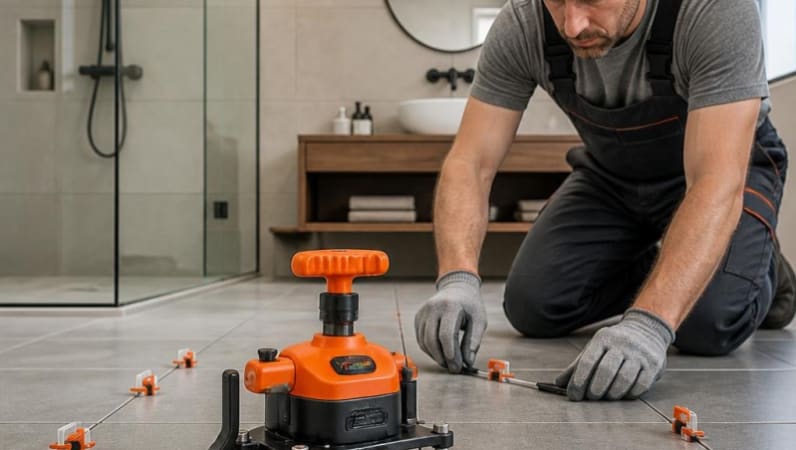
Bathroom renovations can feel simple at the planning stage and surprisingly technical once the tile starts going down, especially in older Orléans homes where floors may not be perfectly level. Whether you are refreshing a compact powder room near downtown Orléans, updating a family bathroom in Blackburn Hamlet, or finishing a basement washroom after a long winter, tile installation is one of those jobs where a small tool can make a big difference. A tile vibration leveling machine is designed to help settle tile into fresh mortar, improve contact, and reduce the tiny voids that often lead to weak spots or an uneven finish. For many homeowners and contractors, renting a Tile Vibration Leveling Machine in Orléans is a practical way to get more professional-looking results without buying a specialty tool that may only be used a few times.
If you have ever pressed a tile into mortar and wondered whether it fully bedded down, this tool can answer that concern in a very direct way. It uses controlled vibration to help tiles seat more evenly, which is especially useful for larger smooth-format tiles, bathroom floors with tricky layouts, or walls where clean alignment matters as much as adhesion. The cordless design is also convenient in renovation spaces where outlets are limited, and the digital speed display makes it easier to adjust the vibration based on the tile and mortar conditions. In a city like Orléans, where many projects are weekend upgrades or one-room refreshes, a rental tool can be the difference between “good enough” and a finish that actually looks intentional. For DIY renovators, the main question is not whether the machine is impressive, but whether it is the right choice for your specific bathroom project.
What a Tile Vibration Leveling Machine Actually Does in a Bathroom
A tile vibration leveling machine is not a replacement for good tile-setting technique, but it is a smart finishing tool that supports it. When you place a tile into fresh mortar, the tool vibrates the surface so the tile can settle more evenly. That settling action helps reduce hollow spots beneath the tile and improves the bond between the tile and the substrate. In a bathroom, that matters because moisture, daily foot traffic, and repeated temperature changes can stress tile work over time. If the tile is not properly embedded, even a nice-looking installation can develop problems later. The machine is especially useful when working with larger, smoother tiles where even bedding is harder to achieve by hand alone. In practical terms, it helps you avoid those frustrating moments when one corner sits slightly high or a tile seems secure but does not feel fully supported. For many renters, that extra confidence is the real value.
Bathroom projects are a good match for this tool because they often involve detailed surfaces and tight spaces. Floor tile in a bathroom has to transition neatly around toilets, tubs, vanities, and door thresholds. Wall tile, shower walls, and backsplashes demand even lines and consistent spacing, and the vibration tool can help tiles settle without needing excessive pressure. The machine’s thickened suction cup is meant for smooth tile faces, which is common in modern bathroom designs using porcelain or ceramic. Because the tool is cordless, it is easier to move around a room where wet mortar, spacers, and layout lines already make the work area crowded. The digital speed display also helps when you want a low setting for delicate adjustments or a slightly stronger setting for heavier tiles. With tile work, small adjustments are everything, and this tool gives you another layer of control.
One reason bathroom renovations benefit from this kind of equipment is that many projects are done by people who are competent but not full-time tile setters. A homeowner may know how to mix mortar, set layout lines, and use spacers, but still struggle to get every tile seated with perfect consistency. A vibration leveling machine helps bridge that gap by making the final bedding process more uniform. It is particularly helpful when you are installing tile over a floor that has multiple transitions or over a shower wall where visibility is awkward. The lock design on the machine also helps during longer tile runs, so you are not constantly regripping the tool while trying to hold a heavy piece in place. That steadier operation can reduce fatigue and help you stay more precise as the project goes on. In a bathroom, where even a small visible misalignment stands out, that steadiness matters more than most people realize. Many tile issues are not caused by one big mistake, but by repeated small inconsistencies.
Not every bathroom tile job needs a vibration machine, though. If you are setting small mosaic pieces, working with rough stone, or repairing a tiny section, the tool may not add much value. It works best on clean, smooth, dust-free tile surfaces and is not recommended for cracked tile or very rough materials. That means it is most useful when the project is planned around larger porcelain or ceramic tiles and a clean, fresh mortar bed. If your bathroom design includes a feature wall, a sleek shower surround, or a big-format floor, the machine becomes more relevant. For more traditional small-format installations, hand-setting may still be enough. The key is to match the tool to the job rather than assuming every tile project needs it. In a local rental context, that flexibility is exactly why many Orléans renovators choose to rent instead of buying.
Another way to think about it is as a quality-control tool. It does not tell you whether your substrate is level, and it will not fix poor prep work, but it can improve what happens after the tile is placed. If the mortar coverage looks good and the substrate is ready, vibration can help that installation reach its full potential. That is why experienced installers use tools like this during the most visible parts of a bathroom remodel. The goal is not just to make the tile stick today, but to help the finished surface hold up better over time. In a room exposed to steam, humidity, and frequent cleaning, that kind of support is worth serious consideration. For a homeowner in Orléans taking on a first tile project, using the right equipment can turn a stressful process into one that feels much more manageable. The tool is simple, but the impact can be significant.
In short, the tile vibration leveling machine is best understood as a helper that improves seating, alignment, and consistency during tile installation. It is not flashy, but it is very practical. If your bathroom renovation involves smooth, larger tiles and you want a cleaner finish, it can be an excellent addition to your toolkit. Renting a Tile Vibration Leveling Machine in Orléans gives you access to that benefit without having to store a specialized machine afterward. For many local projects, that is exactly the balance people need.
When Renting Makes More Sense Than Buying for Orléans Bathroom Projects
Not every renovation justifies a new specialty tool sitting on the shelf afterward. That is one of the strongest reasons people consider renting a Tile Vibration Leveling Machine in Orléans for bathroom work. A bathroom remodel is often a single, focused project rather than a repeated trade job, and once the tile is finished, the machine usually has no immediate use. Renting keeps the project efficient without creating long-term storage problems. This is especially relevant in homes and condos where basement storage is already full of holiday bins, sports gear, and leftover renovation materials. For many Orléans residents, keeping the garage or storage room uncluttered is a real advantage, not just a minor convenience.
There is also a strong timing benefit. Bathroom renovations are often done around work schedules, school breaks, or specific seasonal windows when the household can handle the disruption. In Orléans, spring and early summer are popular times for renovation because the weather is easier on material handling, ventilation is better, and people are more willing to open windows after grout or mortar work. A rental lets you get the machine only when you need it, which fits the short, intense rhythm of a bathroom project. You can pick it up, use it for the installation period, and return it without worrying about maintenance over the next several years. That is a much better fit for one-room upgrades than buying a machine that may sit unused. When the job is a weekend project or a three-day tile run, the rental model makes a lot of sense.
Another factor is project scope. Many bathroom renovations in Orléans are not full-house transformations; they are practical updates in a single room. Maybe the floor tile is being replaced because the grout failed, or the shower walls are being redone after a leak repair, or the old backsplash is being updated to match new fixtures. In those situations, specialty tools should support the job, not inflate the amount of equipment you have to manage. A rental machine is convenient because you can match the tool to the tile size and surface conditions without overcommitting. If the project changes, you can adjust your approach before you get too far into the installation. That kind of flexibility is useful for DIYers who are learning as they go. It is also helpful for contractors who need dependable tools for a specific phase of work without expanding their own inventory unnecessarily.
Renting can also be the smarter choice when you want to test whether the tool actually helps on your type of tile. Some bathroom renovations involve glossy porcelain, while others use matte ceramic or special feature tiles. The suction cup on this machine works best on smooth, clean faces, so if your tile selection is not a perfect fit, renting first lets you assess its usefulness without a purchase commitment. That is important because bathroom tile styles vary widely, and not every product benefits equally from vibration. A homeowner may discover that the machine makes a dramatic difference on large floor tiles but is less useful for a decorative shower niche. By renting, you can keep the decision grounded in your actual project instead of in theory. This practical trial approach is one reason equipment rentals remain popular for specialized tools.
There is also a cost-of-mistakes angle that people often overlook. Bathroom tile is visible every day, so small issues in alignment or coverage are hard to ignore. If a tile is not fully seated or if a corner is slightly raised, it can show up under light, affect the grout lines, or create a subtle lippage problem. A rental machine gives you a better chance at achieving a smoother result on the first try. That is valuable even if you are experienced, because bathrooms have tight tolerances and limited forgiveness for error. The machine’s digital speed control lets you work more deliberately instead of guessing how much vibration is enough. For a local homeowner taking pride in a renovation, that added control can be worth more than owning extra tools. When the finish matters, the right rented tool helps protect the quality of the whole project.
For contractors around Orléans, rental access is also useful because job schedules can fluctuate. One week may involve a full bathroom remodel in a townhome, while the next week is trim work or repair projects. Keeping a tool like this on hand at all times is not always efficient, particularly if your jobs are varied. Renting allows you to reserve the equipment when tile work is scheduled and release it when the phase is done. That can make project management easier, especially for smaller crews. It also means you are more likely to use the right tool at the right moment instead of improvising. In the renovation world, timing and tool choice often matter just as much as skill.
Ultimately, buying makes sense when a tool will be used regularly. For a typical bathroom renovation in Orléans, that is not always the case. Renting a Tile Vibration Leveling Machine in Orléans gives you the function you need without adding clutter, upkeep, or long-term commitment. It is a simple solution for a specific job, which is often exactly what a bathroom project requires.
How to Use the Machine for Better Tile Results
The best results with a tile vibration leveling machine start before the tool is even turned on. Surface prep matters, and so does mortar consistency, tile cleanliness, and your layout plan. First, make sure the substrate is ready and level enough for tile installation. Then mix and spread your mortar according to the tile type and the room conditions. Once the tile is placed into the fresh mortar, the vibration machine can help it settle more evenly. The process works best when the tile has already been positioned close to final alignment. The vibration should fine-tune the placement, not correct a badly laid tile. That distinction is important, because the machine is an aid, not a substitute for careful setting work. A thoughtful installer uses it at the right moment and with a controlled touch.
Before applying the suction cup, clean the tile face thoroughly. Dust, release agents, and even a thin film of water can reduce grip. The thickened 5.9 inch suction cup is designed for smooth surfaces, but it still needs a clean contact area to hold securely. Once attached, begin at a low speed and watch how the tile responds. If the tile starts to settle too quickly or shifts out of line, slow down and adjust your technique. If it barely moves, you may need a slightly higher setting, especially on larger formats. The digital speed display makes it easier to repeat a setting once you find what works. That repeatability is useful when you are installing multiple bathroom tiles in a consistent pattern. Small adjustments can save a lot of frustration later.
A good workflow is to set a tile, check alignment, vibrate briefly, recheck alignment, and then move on. That step-by-step method helps prevent the tile from drifting after it is already embedded. It is also a smart way to keep spacing even when working around a tub or in a shower area where visual lines matter. If you are using leveling clips, the vibration can help support an even bed while the clips do their job. It is not an excuse to rush, though. Take the time to compare the tile height against neighboring pieces, especially where the light will hit the surface at an angle. Bathroom lighting can exaggerate imperfections, so checking from multiple viewpoints is worth the extra minute. In a compact room, a small mistake can feel bigger than it really is.
One practical tip for Orléans homeowners is to plan the tile sequence around the room temperature and humidity. In cooler seasons, mortar may behave differently than it does during warmer months, especially in basements or rooms with limited airflow. If the room is cold, work in manageable sections so the mortar does not begin setting before you have had time to vibrate and adjust the tile. If the room is warm and dry, monitor open time carefully and avoid spreading more mortar than you can tile within that window. The machine is most effective when the mortar is still fresh and workable. A rushed setup can limit its usefulness. That is one of the reasons many experienced installers prefer to prepare only a small area at a time in a bathroom.
Support is another important point, especially with larger or heavier tiles. The equipment notes recommend always supporting heavy tiles with both hands, and that advice should be taken seriously. A strong suction tool does not replace proper lifting technique. Hold the tile securely, keep your body balanced, and avoid awkward reaches in tight bathroom corners. This matters even more when working over tubs, around toilets, or near shower curbs where footing can be less comfortable. If the tile is large, have a helper nearby or stage the area so the piece can be moved smoothly from mortar bed to final position. Good support reduces the chance of slipping the tile or disturbing the surrounding layout. That extra caution is often what separates a smooth installation from a frustrating one.
It also helps to think in terms of finish quality rather than speed. The vibration machine is not there to make the job faster in every case; it is there to make the bed more even and the result more consistent. That means patience pays off. Spend time inspecting each tile, especially in visible bathroom areas where unevenness becomes obvious under vanity lights or natural daylight. If you notice a tile sitting high, correct it before the mortar starts to tighten. If you are installing wall tile in a shower, use the machine carefully so the tile does not slide down the wall after vibration. A measured approach is always better than trying to power through a bathroom installation. The tool rewards careful hands and a steady rhythm.
For first-time renters, basic guidance goes a long way. Read the control layout, test the suction on a scrap tile or an inconspicuous piece if possible, and practice the feel before starting the visible section of the bathroom. The machine is simple, but the best results come from a little familiarity. Once you understand how the tile responds, the process becomes much easier to trust. That confidence is one of the hidden benefits of renting a proper finishing tool for the job.
Bathroom Tile Jobs in Orléans: Local Conditions and Seasonal Considerations
Orléans bathroom renovations have a few local realities that are worth keeping in mind before tile day arrives. The city’s homes include a mix of older builds, newer suburban properties, and condo units, and each one can present different flooring or wall conditions. Older homes may have rooms that are not perfectly square, which makes tile layout more challenging. Newer homes can still have slight subfloor inconsistencies, especially in areas that experienced settling or past repairs. A vibration leveling machine helps in both scenarios, but it works best when you have already spent time on prep and planning. In other words, the machine is useful, but it is only one part of the bigger picture. Good bathroom work in Orléans starts with knowing your room and not assuming it is perfectly ready because it looks fine at first glance.
The weather also affects renovation habits more than people sometimes expect. In late fall and winter, many Orléans residents focus on interior upgrades because outdoor work slows down. That makes bathroom remodeling more common during colder months, especially for people who want to tackle one room at a time while the weather is less cooperative outside. In those seasons, ventilation can be more limited, so the room may feel tight and humid while mortar is curing. A cordless tool is helpful here because it avoids the hassle of running cords around wet work areas and cramped bathroom layouts. In spring, the lighter air and open windows can make the space feel more forgiving, but humidity can still influence mortar behavior. Summer is often the most comfortable time for careful tile work, as long as the room does not get too dry too fast. Matching the job to the season can make a noticeable difference in how the installation behaves.
Local neighborhood renovation patterns also shape how people use rental equipment. In areas like Avalon, Chapel Hill, Fallingbrook, or nearby pockets of Orléans, many homeowners take on practical upgrades to improve a single room rather than launching large-scale renovations all at once. Bathroom improvements often happen in stages: first the demo, then the plumbing or drywall fix, then the tile, then the finishing trim. That phased approach makes renting especially sensible because the tool can be used when the tile phase is ready and not sit around during the rest of the project. The same is true for condo renovations where storage space is tight and the work needs to be completed with minimal clutter. A rental keeps the focus on the immediate job. It also helps people avoid juggling more tools than they can comfortably manage in a compact living space.
Another local detail is the mix of project types that come up in the area. Some homeowners are updating a guest bathroom to improve resale appeal, while others are refreshing a family bath that sees heavy use every day. Some are finishing basements where the bathroom is part of a larger livable space. In each case, tile quality matters because the room is expected to feel finished and durable. A tile vibration leveling machine supports that goal by helping the tile bed settle more uniformly. That matters in bathrooms with frequent moisture, where long-term consistency is more important than a quick visual fix. The tool is not about making the job look fancy; it is about making the finish more dependable. That practical mindset fits the kind of renovation work many people in Orléans are actually doing.
If you are planning around family life, local schedules can matter too. Bathroom remodels are often timed around school breaks, long weekends, or quieter periods when the household can live with a temporary disruption. That is especially true in family homes where one bathroom serves multiple people. In those situations, a smooth tile installation helps reduce the chance of callbacks or rework later. The machine’s ability to settle the tile evenly can be a real asset when the room needs to be finished cleanly the first time. Renovation time is already limited, and nobody wants to repeat tile setting because of preventable hollow spots or alignment problems. That is why the right finishing tool can have an outsized effect on the whole project outcome. It supports both quality and peace of mind.
One human detail that comes up often with renters is confidence. A local homeowner recently described a bathroom project in simple terms: the demo and prep were manageable, but the tile setting felt like the point where every small decision became visible. That is a common feeling. Using a tile vibration leveling machine can reduce that stress because it gives you a controlled way to improve the bed after each tile is placed. When the room is small and every edge is on display, that confidence matters. Many renovation decisions are emotional as well as practical, and having the right tool can make the work feel less intimidating. In that sense, renting equipment in Orléans is not just about convenience; it is about making the project feel achievable.
For people renovating in Orléans, local conditions are not a side note. They shape how the room behaves, how much time you have, and what tools will actually help. A cordless, easy-to-control vibration machine fits that reality well. It is compact, practical, and well suited to the kinds of one-room bathroom projects common in the area. That is why it has become a useful option for local tile work rather than just a niche trade accessory.
Best Practices, Limitations, and Maintenance Tips for Renters
Like any specialty tool, a tile vibration leveling machine performs best when you know its limits. The first limitation is surface compatibility. The suction cup works best on smooth, clean, dust-free tile faces, so it is not a great match for rough stone or damaged surfaces. That means renters should inspect their tile before installation and make sure the machine suits the material. The second limitation is tile weight and handling. The machine can help with positioning and settling, but heavy tiles still need to be supported carefully with both hands. The third limitation is timing. If the mortar has begun to skin over or stiffen too much, vibration will not deliver the same benefit. These are simple points, but they matter because they keep expectations realistic. Knowing what the tool can do is just as important as knowing what it cannot do.
Before using the machine, keep the workspace clean. Dust is one of the biggest enemies of a good suction connection, and bathrooms can collect debris quickly during demolition and prep. Wipe the tile face, remove loose mortar from the substrate, and check your hands and gloves so you are not transferring grit to the suction area. If you are working in a shower or near a wet area, take extra care to maintain footing and keep the tool dry where it needs to grip. Cordless convenience makes movement easier, but it does not replace safe work habits. Good tile setting always starts with a tidy work zone. It is easier to achieve a reliable finish when the room is under control.
Maintenance for renters is straightforward and not especially time-consuming, which is part of the appeal. After use, the suction cup should be cleaned so it stays effective for the next project. Check the body of the tool for mortar dust or residue, especially around controls and moving parts. If a battery and charger are included, store them properly and return them in the condition you received them. The digital display should be handled with care, since construction sites can be rough on electronic components. The cleaner you keep the tool, the better it will perform for the next person. Rental equipment works best when each user treats it as a shared professional-grade asset rather than as disposable gear.
It also helps to think about workflow efficiency. If you are renting the machine for a bathroom renovation, organize your tile stack, spacers, mortar, and cutting tools before you begin setting. That way you are not carrying a vibrating tool around while searching for your next tile or adjusting your layout. A calm, orderly setup makes the tool more effective because you can focus on placement instead of logistics. This is particularly useful in bathrooms where space is tight and every step requires some choreography. An efficient workflow reduces the chance of accidental bumps, misalignment, or mortar contamination. The more deliberate your process, the better the final result tends to be.
One of the most useful habits is to test on the first few tiles and then repeat what works. The adjustable speed settings are there for a reason, and the best setting may change depending on tile size, thickness, and mortar stiffness. Start low, observe, and increase only as needed. If the tile is moving too much, back off. If it barely responds, adjust gradually rather than jumping to the highest setting right away. That careful approach preserves alignment and helps you develop a feel for the machine. Over time, the process becomes more intuitive, but at the beginning it is better to be conservative. A small amount of restraint often leads to a cleaner finish than aggressive vibration.
For bathroom renovations specifically, a final visual inspection is a must. Look along the tile edges, around corners, and under the line of bathroom lighting to check for lippage or uneven seating. Tap gently and listen for hollow sounds where coverage may be incomplete. If something feels off, correct it before the mortar sets too hard. The machine can help you reach a better outcome, but it does not remove the need for careful inspection. That attention to detail is what gives the finished bathroom a polished, lasting look. A good renter should leave the job site with a solid result and a clear understanding of how the tool contributed to it.
In the end, the best practice is simple: use the tool as part of a disciplined installation process, not as a shortcut. Renting a Tile Vibration Leveling Machine in Orléans works best when paired with proper prep, clean tile surfaces, and realistic expectations. If you treat it as a finishing aid, it can be one of the most helpful tools in your bathroom renovation lineup.
For bathroom renovations, a tile vibration leveling machine can be a genuinely useful tool when the project calls for smooth, even bedding and careful alignment. It is especially valuable for larger porcelain or ceramic tile, shower surrounds, and bathroom floors where a clean finish matters and there is little room for error. In Orléans, where many projects are one-room updates, basement finishes, or weekend renovations, renting this type of equipment often makes more sense than buying and storing a specialty tool afterward. The cordless design, digital speed control, and strong suction cup make it practical for local bathroom work, provided the tile surface is compatible and the installer takes the time to prep properly.
If you are planning a bathroom tile project and want a steadier, more professional result, renting a Tile Vibration Leveling Machine in Orléans can be a smart step. The tool will not replace good layout, level substrate work, or careful mortar application, but it can help your tile settle more evenly and reduce the chances of hollow spots or uneven seating. For homeowners and contractors alike, that is a worthwhile advantage. In a renovation, the details are what people notice every day, and bathroom tile is one of the most visible details of all. Choosing the right finishing tool helps protect that investment in both time and effort.
About The Author
