
How to Use a Scoop Stretcher Safely for Patient Transfers
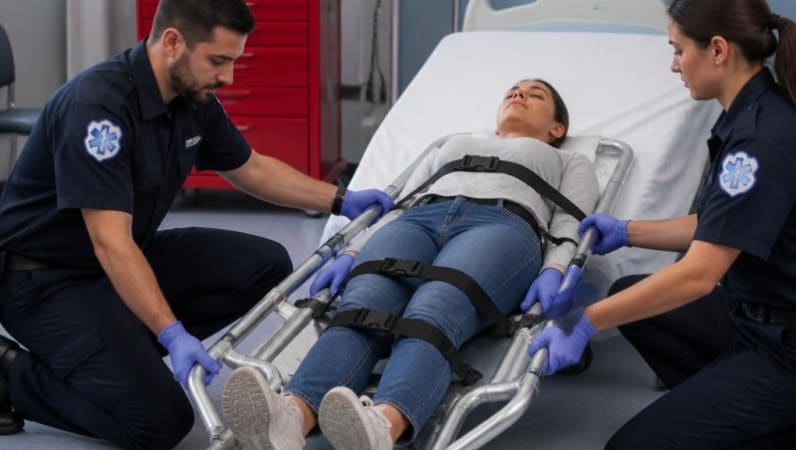
In Kanata, safety planning often needs to work around real-life spaces: school gyms, community centres, sports fields, office buildings, and care environments that are not always designed for emergency movement. That is where renting a Scoop Stretcher Emergency Transfer Board in Kanata can make a practical difference. This detachable scoop stretcher is built for controlled patient transfers, helping teams move a person with less rolling and less unnecessary lifting than a standard flat board. For first aid teams, event staff, workplace safety coordinators, and training providers, it offers a reliable way to practice or prepare for transfer situations with equipment that is easy to clean, adjust, and handle.
Because this item falls under the Medical-Accessories category and is offered in Used_Like_New condition, it is a smart choice for short-term planning when you need dependable gear without buying and storing it year-round. The aluminum alloy frame and high-strength plastic panels are designed to balance durability with manageable weight, and the split scoop design is especially useful in tight Kanata hallways, locker rooms, care rooms, or event spaces. In this guide, we will walk through how to use a scoop stretcher safely, what makes this design different, how to prepare your team, and how local conditions in Kanata can affect your transfer plan. A little preparation goes a long way, especially when your goal is to move calmly, communicate clearly, and avoid adding strain to the person being assisted or to the team doing the work.
What a Scoop Stretcher Does and Why It Is Different
A scoop stretcher is not just another piece of emergency equipment. It is a transfer board designed to open into two halves, slide gently around a person, and then lock back together underneath them. That split design is what makes it different from a flat backboard, because it can reduce the amount of rolling required during a transfer. In many situations, especially when someone has pain, limited mobility, or a suspected injury, less movement is a major advantage. The main goal is to position the person safely and keep the process controlled from start to finish.
For renters in Kanata, this matters in more places than you might think. A sports event at a local field, a first aid drill in a school, or a preparedness exercise at a workplace can all involve narrow access points and crowded surroundings. The detachable scoop stretcher rental fits those scenarios well because the two-piece frame can be assembled around the body without asking helpers to force a full side roll. The adjustable length also helps when the person being transferred is smaller, taller, or positioned in a confined space. That flexibility is one reason training programs and event safety teams often look for this style of board.
The scoop stretcher in this rental also features a smooth wipe-clean surface and securing straps, which are helpful in any environment where hygiene matters. In care settings, after a transfer practice session, it can be disinfected quickly before being stored or used again. That is especially useful if you are planning repeated drills or rotating equipment among multiple teams. The yellow plastic surface stands out visually too, which makes it easier for staff to identify the device quickly during training or in a busy back room at an event. Clear visibility can save time when every second of organization matters.
Another practical advantage is its 350 lb load capacity, which covers many common transfer scenarios used in training and preparedness planning. Of course, capacity alone does not make a transfer safe. The helpers still need proper body mechanics, communication, and a realistic understanding of the situation. A scoop stretcher is most effective when the team knows exactly how to approach, lock, lift, and move together. That is why many organizations rent this type of equipment for practice sessions rather than waiting until an urgent situation to see it for the first time.
There is also an important difference between a training transfer and an actual medical emergency. A scoop stretcher supports controlled handling, but it is not a replacement for professional emergency care. In serious injuries, emergency services should always be contacted first, and the equipment should only be used within the skill level of the team. That distinction is worth repeating because a transfer board is a support tool, not a diagnostic or treatment device. For that reason, rental customers in Kanata often pair the stretcher with staff refreshers, scenario practice, or event safety briefings so the device is understood before it is needed.
When the equipment is used correctly, the benefits are clear. The patient is handled more gently, the team works with a shared process, and the risk of awkward lifting is reduced. In a practical sense, that means less confusion and more confidence during a stressful moment. For many renters, especially those coordinating seasonal events or occasional training, this is exactly why renting a Scoop Stretcher Emergency Transfer Board in Kanata makes sense. It brings an important rescue and transfer tool into reach without creating a permanent storage burden.
How to Prepare the Team Before Using the Stretcher
Good stretcher use starts before the equipment is even opened. The first step is to assign roles so everyone knows who will guide, who will stabilize, and who will communicate with the person being transferred. In a training or event setting, that clarity can prevent people from talking over each other or making rushed movements. A clear leader is especially useful when you are working in a crowded space, like a gymnasium in Kanata or a community event area where noise and distractions are common.
Before approaching the person, check the stretcher itself. Make sure the locking buttons move properly, the two halves separate and reconnect smoothly, and the securing straps are ready to use. The adjustable frame should be set to the appropriate length for the situation, but do not adjust it casually after a transfer has started. Equipment checks should happen early, ideally as part of the same routine you use for other first aid supplies. That habit can reduce delays when time is limited and help the team feel more prepared.
Communication with the person being transferred is just as important as the physical setup. Explain what will happen, who will be touching the stretcher, and when they should expect movement. If the person is conscious and able to respond, simple instructions can make the transfer calmer and safer. A useful approach is to speak in short, direct phrases: what is happening, what the team is about to do, and when to remain still. In many cases, calm communication lowers tension enough to make the whole process smoother.
Next, make sure the surrounding area is safe and clear. Remove loose gear, sports bags, cords, or furniture that could interfere with the stretcher path. In Kanata, winter months can add another layer of caution because boots, wet floors, snow tracked inside, and bulky outerwear can make tight spaces even more challenging. If the transfer is happening near an entrance, hallway, or loading area, take an extra moment to check for slush or ice that could affect footing. Small environmental details often matter more than people expect.
It is also smart to rehearse the motion before attempting a real transfer. Teams that practice together tend to move with better timing and fewer corrections. Even a brief rehearsal of who lifts first, who stabilizes the head or upper body, and who guides the stretcher ends can improve coordination. This is one reason schools, first aid trainers, and workplace safety officers in Kanata rent the scoop stretcher for drills. Practice creates familiarity, and familiarity reduces hesitation.
Here is a simple pre-use checklist that many teams find helpful: confirm the area is clear, inspect the locking mechanism, set the frame length, brief the team, explain the process to the person, and position the stretcher halves before any lift or slide begins. If the transfer is being taught for the first time, keep the group small and focused. Too many helpers can create confusion, while too few can make the transfer physically awkward. Balance matters.
One local trainer once described a practice session at a Kanata recreation space where a team spent more time organizing their roles than performing the actual transfer. The lesson was simple: preparation is part of the transfer. When everyone knows the plan, the equipment becomes much more effective. That human element is often what separates a stressful drill from a useful one. The stretcher is important, but the team around it is what makes the transfer safe.
Step-by-Step: Using a Scoop Stretcher Safely
When the team is ready, the next step is to use the scoop stretcher with steady, deliberate movements. Begin by positioning the two halves on either side of the person as instructed by your training protocol. The goal is to minimize rolling, not to rush. Keep the stretcher low and stable as you align the frame, and make sure the person’s body stays as neutral as possible. If the situation involves a suspected injury, follow your organization’s emergency response procedures and stay within your training level at all times.
Once the halves are in place, carefully bring them together underneath the person. The central hinge system is designed to help the board close around the body without requiring a large shift. After the halves meet, confirm that the locking buttons are fully engaged. This is a critical step because the stretcher should not move until the frame is secure. A quick visual and physical check from more than one helper can prevent avoidable mistakes.
After locking, apply the securing straps according to your training or facility protocol. The straps should be snug enough to help stabilize the person, but not so tight that they cause discomfort. If the person is wearing bulky clothing, a sports uniform, or winter layers, adjust thoughtfully and reassess the fit. In Kanata, this can be particularly relevant during colder months when people often arrive in heavy coats, hats, and boots. The transfer may take a little more planning, but the process should still remain calm and controlled.
With the person secured, the team can prepare to lift or reposition as needed. Use proper body mechanics, keep backs straight, bend at the knees, and move in a coordinated way. Avoid twisting while carrying or shifting the stretcher. Instead, step together and communicate each change in direction before it happens. Short cues like “ready,” “lift,” “move,” and “set down” can help the team stay synchronized. That kind of simple communication is especially valuable in noisy places like school events or tournament sidelines.
If the person needs to be moved through a hallway, doorway, or narrow corridor, slow down and adjust before the tight spot rather than during it. The adjustable length of the board can help in confined areas, but space should still be measured with common sense. A careful pause to reposition is better than forcing the stretcher through an awkward turn. In practical terms, a slower transfer is often a safer transfer. That rule applies whether you are in a care setting, an office building, or a temporary event setup.
When the destination is reached, lower the stretcher together, stabilize it, and only then begin any further care or handoff. If emergency responders are arriving, brief them on what happened, how the person was moved, and any concerns the team observed. If the transfer was part of training, debrief immediately while the details are fresh. Ask what worked well and where the process felt awkward. Those notes can improve the next drill, and they often reveal simple fixes like better role assignment or clearer verbal commands.
A useful rule for any crew is to treat every transfer as a team task, not a solo effort. Even if one person has more experience, the process works best when everyone stays alert and involved. That is one reason the scoop stretcher is such a practical training accessory. It rewards teamwork, not speed. And in a real transfer, that mindset can make all the difference.
Local Uses in Kanata: Events, Schools, Care Settings, and Seasonal Planning
Kanata has a mix of settings where transfer preparedness can be genuinely useful. Sports tournaments, school activities, community programs, and workplace drills all create situations where first aid teams may need equipment that is easy to deploy and simple to explain. A scoop stretcher rental in Kanata is especially practical in places where people gather in large numbers and the layout changes from event to event. That flexibility is one reason rental is often more sensible than ownership for short-term needs.
At schools and youth sports venues, staff may need to plan for ankle injuries, falls, or other situations where a person should be moved carefully. In those environments, equipment that reduces unnecessary rolling can help maintain comfort and confidence. Event staff appreciate the detachable design because it can be introduced during safety briefings without taking over too much space in the storage area. For training providers, the yellow surface and visible structure also make the device easy to demonstrate during class. A clear visual aid can improve learning, especially for people new to transfer procedures.
Care facilities and assisted living environments can also benefit from access to a transfer board like this, particularly when staff want a refresher tool for practice or a backup device for preparedness planning. The wipe-clean surface and aluminum alloy frame support a routine of quick sanitation between uses. In settings where hygiene and organization matter, that convenience is not minor. It can save time and make the equipment feel more approachable for staff who may not use it every day. The fact that it is in Used_Like_New condition also reassures many renters that they are working with a well-kept item suited to training and controlled use.
Seasonal weather should not be ignored in Kanata either. Winter brings snow, ice, heavy clothing, and slippery entrances that can complicate any transfer. Spring may bring mud near outdoor event spaces, while summer can mean hotter conditions inside crowded gyms or tents. Each season affects footing, comfort, and the time it takes to move a person safely from one area to another. Planning around those conditions can make your transfer flow much better. Even simple steps like clearing a path or choosing an indoor staging point can improve the process.
There is also a strong local benefit to renting rather than buying for organizations that only need the equipment occasionally. Many groups in Kanata coordinate temporary events, annual drills, or seasonal preparedness exercises rather than daily medical transport. Renting gives them access to a professional-grade tool without the challenge of long-term storage, ongoing upkeep, or infrequent use. That is especially useful for groups that share space with other programs and need equipment that can be returned after the event. It keeps planning efficient and avoids clutter in already busy storage rooms.
Another advantage is that the scoop stretcher helps teams build confidence before a real incident occurs. A local coordinator can organize a short session, let staff handle the board, and walk through the sequence in a calm setting. That is far better than seeing the stretcher for the first time in a stressful moment. In a city like Kanata, where community events and organized activities are a regular part of local life, being ready is often about doing small things well ahead of time. A rented transfer board can fit neatly into that kind of practical preparation.
One common scenario is a weekend sports event where a participant twists an ankle and needs help leaving the sideline. The team may not need full emergency transport, but they do need a stable way to assist movement. Another scenario is a workplace drill in a large building where staff must practice transfer procedures in a hallway or conference room. In both cases, the stretcher serves the same purpose: reduce unnecessary movement, improve coordination, and give helpers a clear process to follow. Those are the kinds of everyday safety goals that make this rental especially relevant in Kanata.
Care, Cleaning, and Smart Rental Habits
Because this scoop stretcher has a smooth plastic surface and aluminum alloy rails, care after use is straightforward, but it still deserves attention. After each session, wipe down the patient surface and straps according to your organization’s cleaning procedures. It is best to remove visible residue promptly so it does not dry onto the surface. In training settings, a clean device also makes the next user feel more comfortable handling it. Good maintenance is not just about appearance; it supports readiness and professionalism.
Inspect the locking points, central hinge, and strap attachments before and after use. Even though this rental is offered in Used_Like_New condition, every team should check equipment as part of its own routine. Looking over the mechanism only takes a minute, and it can prevent surprises during the next drill or transfer. If the board has been transported in a vehicle between locations, check that nothing shifted during the trip. Small issues are easiest to address when they are caught early.
Storage matters too. Keep the stretcher in a clean, dry place away from unnecessary weight or impacts. If your team is using it for a short-term event in Kanata, assign one person to return it to the storage area so parts do not get misplaced. The detachable design is useful in the field, but it also means the two halves should be kept together responsibly. A simple labeled case, shelf, or designated corner can help your team stay organized. Organization reduces stress the next time the equipment is needed.
When planning a rental, consider how the stretcher will fit into your broader safety setup. Will you also need gloves, basic first aid kits, radios, or other communication tools? Does the team know who will call emergency services if required? Have you identified the best route through the building or field area? These questions may seem basic, but they often determine whether a transfer goes smoothly. Renting a Scoop Stretcher Emergency Transfer Board in Kanata is most effective when it is part of a complete plan rather than a stand-alone item.
It can help to build a short post-use routine. First, clean the equipment. Second, check for wear or damage. Third, document any issues from the drill or event. Fourth, review the procedure with the team while the experience is still fresh. Fifth, store the stretcher securely so it is ready for the next rental period or training date. That kind of routine is simple, but it creates consistency. Over time, consistency builds confidence, and confidence improves performance under pressure. That is one of the biggest benefits of using a rental item for planned preparedness: the opportunity to learn, practice, and refine without long-term equipment management.
If you are coordinating multiple sessions, it is smart to assign a person responsible for setup and a different person responsible for cleaning and return checks. That separation of duties can reduce overlooked details. It also mirrors the teamwork expected during an actual transfer, where communication and accountability matter. The stretcher is a practical tool, but the habits around it are what make it effective. A well-run team will get more value from the rental than a team that treats it like a box to be opened and forgotten.
Finally, remember that a transfer board is only one part of safe patient handling. Good judgment, calm communication, and respect for the person being moved are equally important. Whether your team is in a school, a workplace, a care facility, or a community event space in Kanata, the goal is the same: move carefully, communicate clearly, and keep the process controlled from beginning to end.
A scoop stretcher is a practical piece of equipment for situations where controlled transfers matter, and it is especially useful when teams need to reduce unnecessary rolling or awkward lifting. For organizations renting a Scoop Stretcher Emergency Transfer Board in Kanata, the benefits include easy handling, adjustable length, a wipe-clean surface, and a split design that works well in tighter spaces. Whether you are preparing for a sports event, a workplace drill, a school training session, or a care-setting refresher, the key is to pair the device with clear roles, proper communication, and thoughtful setup.
The best transfers are rarely rushed. They are planned, checked, and carried out by people who know their responsibilities. That is why this Medical-Accessories rental in Used_Like_New condition is such a useful option for Kanata organizations that want reliable safety equipment without long-term ownership. If you keep the area clear, inspect the locks, communicate with the person being moved, and work together with steady body mechanics, the scoop stretcher can do exactly what it is designed to do: support a safer, calmer transfer process when it matters most.
About The Author
