
How Adjustable Toilet Safety Rails Help Prevent Bathroom Falls
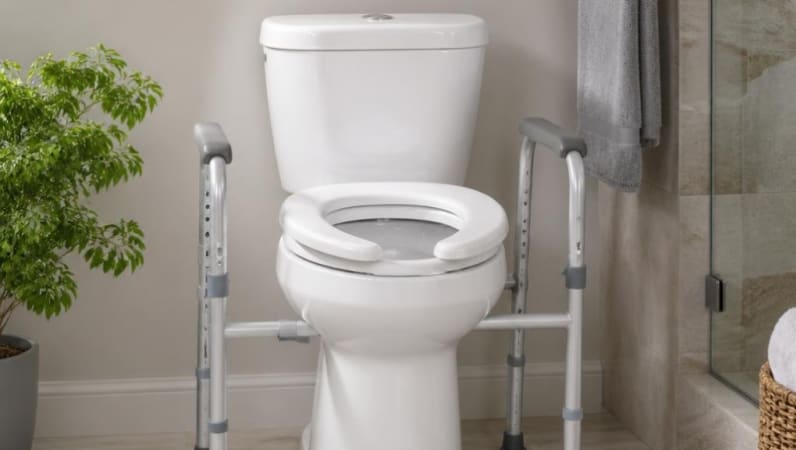
Bathroom safety becomes much more important when balance is uncertain, mobility is limited, or a recent surgery makes ordinary movements feel harder than they used to. For many households in Kanata, the bathroom is one of the first places where a small slip can turn into a stressful setback, especially during the winter months when people are already moving more carefully indoors. Renting an Adjustable Toilet Safety Rail Frame in Kanata can make daily routines feel steadier right away, without turning the bathroom into a complicated medical space. It is a simple support aid, but for the right person, it can make a meaningful difference in confidence and independence.
The need is often more practical than dramatic. Someone may be recovering from a knee replacement, a hip procedure, a back injury, or even a short-term illness that affects strength and coordination. A caregiver may also be helping a parent or visiting relative stay safer in a home bathroom that was never designed for mobility challenges. Because this is a Used_Like_New medical accessory, it offers a clean and dependable short-term solution for families who want comfort and support without long-term equipment ownership. In a community like Kanata, where households are often juggling family schedules, winter weather, and recovery timelines, a rental setup can be the easiest way to keep the bathroom manageable from day one.
Why Bathroom Falls Happen More Often Than People Expect
Bathroom falls are common because the room combines several risk factors in one small space. Floors may be slippery, lighting can feel harsh or uneven, and the movements required to sit down or stand up are more demanding than many people realize. Toileting also involves awkward turning, reaching, and shifting weight, which can be difficult for someone who is sore, dizzy, or unsteady. In a home without grab bars or a proper support frame, the person has to rely on surrounding surfaces that were never intended for repeated pushing. That is exactly where an adjustable toilet safety rail frame becomes useful. It gives the user a stable place to brace their hands while lowering or lifting their body. Even if the person is generally mobile, pain or temporary weakness can make one bathroom trip enough to create worry for the rest of the day.
In Kanata, the risk can feel even higher during icy weather. Winter boots track in snowmelt, boots get kicked off in a hurry, and people may already be moving cautiously after navigating slippery sidewalks, driveways, or parking lots. A fall does not need to happen on the ice outside to affect the rest of a household routine. A person who felt fine in the morning may feel more cautious, stiff, or fatigued by evening, and that is when bathroom support matters most. Families also tend to host relatives during holidays, school breaks, and visits from out-of-town guests, which means bathroom needs may change quickly. Having the right support equipment in place can reduce the chance that someone takes an unnecessary risk when they are tired or uncomfortable.
Another reason bathroom falls are so unsettling is that they can happen in a very short moment. A slight shift in body weight, a wet floor, or reaching too far for balance is often enough to create trouble. Unlike some other rooms in the house, there is less space to catch yourself or recover from a stumble. That is why a support frame should be thought of as a prevention tool rather than an emergency response. It helps create a safer habit pattern every time the toilet is used. For seniors who want to age in place, or for caregivers helping with short-term home recovery, that habit pattern can make a big difference in comfort and peace of mind.
There is also an emotional side to bathroom safety that people do not always mention at first. When someone starts feeling afraid of falling, they may rush, avoid drinking enough fluids, or ask for help more often than they need to. Those reactions can affect sleep, hydration, and confidence. A stable rail frame can reduce that anxiety by giving the user a clear point of support. When a person feels steadier, they often move more naturally and cautiously without overthinking every step. That quiet confidence matters just as much as the physical support.
One local caregiver in Kanata described the change as "less panic, more routine" after arranging support equipment for a parent recovering at home. That is a useful way to think about it, because bathroom fall prevention is not only about avoiding accidents. It is also about helping everyday routines feel normal again. The best safety aid is the one that fits into the room and supports the person without making them feel dependent on a complicated setup. A well-placed toilet safety rail can do exactly that.
For many households, the key is to identify the risk early instead of waiting until after an incident. If sitting down or standing up from the toilet already feels difficult, that is a sign that extra support could help. If the user has recently started using a cane, walker, or caregiver assistance for other parts of the home, the bathroom should be evaluated too. A small adjustment now can prevent a much bigger disruption later. That is why bathroom fall prevention works best as part of a broader recovery plan, not as a last-minute reaction.
How an Adjustable Toilet Safety Rail Frame Supports Safer Movement
An Adjustable Toilet Safety Rail Frame is designed to give the user more control during one of the most physically demanding parts of bathroom use: lowering onto the seat and rising again. The side rails create a sturdy place to hold, while the frame helps guide the body into a more balanced movement. Instead of pushing off unstable surfaces or twisting awkwardly, the person can rely on a stable support point that is positioned where it is most helpful. That makes the motion feel more predictable, especially for people who are rebuilding strength after surgery or injury. The frame is also helpful for those who experience weakness in the legs, hips, or lower back. Because the support is close to the body, it can reduce the strain of reaching outward for balance. The result is usually a more controlled and confident transfer.
The adjustable height matters more than many renters expect. A frame that sits too low may force the user to bend uncomfortably, while one that sits too high may not offer the natural elbow position needed for a smooth push. The ability to adjust from 26 to 31 inches makes it easier to match the frame to the person rather than forcing the person to adapt to the frame. That is especially useful in homes with different users or when the equipment is being used for a short recovery period. In practical terms, the right height can mean less strain on the wrists, shoulders, and knees. It can also make the movement feel more symmetrical, which is important for anyone who is unsteady on one side of the body. If you are renting an Adjustable Toilet Safety Rail Frame in Kanata, this adjustability is one of the most useful features to pay attention to during setup.
The rotating handles add another layer of comfort, especially in tighter bathrooms or in spaces where the user needs a more natural grip angle. Not every bathroom layout is spacious, and not every person approaches the toilet from the same angle. Rotating handles help the support feel more adaptable rather than rigid. That can be especially helpful when the user is turning with a walker, wearing bulky winter clothing, or managing post-operative stiffness. The closed cell foam armrests also matter because they provide a softer, more secure feel in the hands. A non-slip grip can help users trust the frame more fully, which often improves how carefully they move. Comfort and safety are closely connected in home recovery equipment.
The lightweight construction is another practical advantage. In some homes, bathroom needs may change during the day, or a caregiver may want to reposition the frame as needed. A lighter frame is easier to place correctly without turning the task into heavy lifting. That does not mean it should be treated casually, however. A stable setup still depends on correct positioning, a level floor, and careful checking before each use. Lightweight and sturdy are not opposites here; they are part of making the equipment easier to manage in real homes. For short-term recovery, that convenience can be a major benefit.
It also helps to think about the frame as part of a larger mobility routine. Many users who need bathroom support are also navigating bed transfers, hallway walking, or stair caution. The toilet rail frame should fit into that larger pattern without creating extra confusion. When a support tool is intuitive, the person is more likely to use it consistently and safely. Consistency matters because bathroom falls often happen when someone skips the support they actually need in order to save time or "just manage it" on their own. A good safety rail makes the safer choice the easier choice.
For caregivers, that ease is valuable too. A straightforward frame reduces the need for complicated instruction and helps everyone in the home feel more comfortable with the plan. If the person using the equipment can learn the position quickly and repeat it without stress, the bathroom starts to feel less intimidating. That is one of the main reasons this type of medical accessory is so practical for home recovery. It supports the person physically while also simplifying the care routine.
When Renting Makes More Sense Than Buying
Rental equipment is often the smartest choice when the need is temporary or uncertain. A person recovering from surgery may only need a bathroom safety aid for a few weeks, while another user might require it for a short period after an injury or illness. Buying equipment for a brief recovery can mean storing it later, cleaning it, and deciding what to do with it when it is no longer needed. Renting avoids that extra burden while still providing access to a reliable support tool. For many families in Kanata, that convenience matters just as much as the equipment itself. When routines are already disrupted, the last thing anyone wants is another long-term item to manage. A short-term rental keeps the focus on recovery rather than storage.
There is also a strong fit between rentals and changing household needs. A parent may come to stay for a few days after a hospital appointment, or a visiting relative may need bathroom help while spending time with family. In those cases, it makes little sense to permanently alter a bathroom for a temporary situation. Renting an Adjustable Toilet Safety Rail Frame in Kanata lets the household respond quickly and respectfully without overcommitting. It also helps families test what type of support works best before making any long-term decisions. Because the frame is a Used_Like_New item, it offers a dependable option for people who want clean, practical home recovery equipment that feels ready for immediate use.
Rental solutions can be especially helpful in homes where several people may benefit from the equipment at different times. One week, the support may be for a post-surgery adult; another week, it may help an elderly guest who is visiting from another part of Ontario. Families in suburban neighborhoods around Kanata often have busy schedules, and the ability to adapt quickly is valuable. Some homes also have bathrooms that are suitable for standard support equipment but are not fully accessible in a permanent way. A rental rail can bridge that gap without requiring renovations. That makes it easier to provide safe support in ordinary homes, apartments, or family townhouses.
Another advantage is peace of mind. When someone is unsure whether they will need equipment for long, they may hesitate to buy at all. That hesitation can lead to delayed support, which is not ideal when bathroom safety is already a concern. Renting helps remove that barrier by making the decision simpler. Once the frame is in place, the user can focus on recovery instead of worrying about whether the bathroom is safe enough. In practice, that can reduce stress for both the individual and the caregiver. A clear plan is often the best support of all.
There is a practical local angle too. Kanata households often deal with weather swings, holiday visitors, and family scheduling changes that can all affect home recovery plans. A support device may be needed sooner than expected after a slip on icy pavement, a flare-up of pain, or a sudden discharge from medical care. Rental access allows households to respond to those situations without delay. That flexibility is part of what makes short-term medical accessories so useful. They are not just objects; they are solutions for real-life timing problems.
Renting also encourages a more thoughtful approach to safety. Instead of treating the bathroom as a place to "get by," families can look at the actual movements involved and decide what support would be most helpful. If the toilet area is where the user feels most unsteady, then that is where a rail frame can make the biggest difference. The goal is not to make the bathroom feel clinical. The goal is to make it feel safe, manageable, and less exhausting during a temporary recovery period. That is often easier to achieve with a rental than with a permanent purchase.
For many renters, the main benefit is simplicity. The equipment is ready to be used, the arrangement is temporary, and the household can stay focused on the person who needs support. That kind of straightforward solution is especially helpful when energy is limited. Recovery is demanding enough without adding unnecessary equipment decisions.
How to Set Up and Use the Rail Safely at Home
Good setup is just as important as good equipment. An adjustable toilet safety rail should always be placed on a stable, level bathroom floor so it can do its job properly. Before the first use, check that the frame fits securely around the toilet and does not wobble when light pressure is applied. If the user is in post-surgery recovery, it is worth taking a few extra minutes to practice the motion slowly the first time. A calm setup can prevent rushed adjustments later. The user should know exactly where their hands go, how much weight they can comfortably place on the rail, and whether they should still ask for supervision. Small details matter in bathroom safety because they help turn a support device into a reliable routine. A secure frame is only helpful if it is used correctly every time.
The best height is usually the one that allows the elbows to bend naturally when the hands are on the handles. That position gives the user better leverage and reduces awkward shoulder movement. If the handles feel too low, the person may bend too much at the waist. If they are too high, the pushing motion may feel strained. Adjusting the frame to the right level can take only a few minutes, but it has a big effect on comfort. The rotating handles can also be positioned to suit the bathroom layout and the user’s preferred grip. This is particularly useful in tighter spaces where angles matter. A thoughtful setup can make a compact bathroom much easier to navigate.
It is also helpful to think about what happens before and after the toilet transfer. For example, users should keep the floor dry, make sure rugs are not sliding, and avoid carrying unnecessary items into the bathroom. A clutter-free space reduces the chance of a misstep. If a caregiver is assisting, the helper should stand in a way that supports rather than blocks the user’s movement. Clear communication is one of the most important tools in home care. If the person feels dizzy, weak, or unsure, the transfer should be slowed down rather than rushed. Bathroom safety is rarely about one dramatic problem; it is usually about a series of small habits that work together.
Here is a simple setup checklist that helps many families: first, position the rail frame around the toilet according to the guidance provided. Second, confirm that the base is stable and aligned on the floor. Third, adjust the height so the user can sit and stand without overreaching. Fourth, test the armrests with gentle pressure before full use. Fifth, make sure the user can enter and exit the bathroom without bumping into the frame or nearby items. This kind of step-by-step check is especially useful in older homes or in homes with narrow bathroom layouts. It reduces guesswork and gives everyone more confidence. When the frame is used consistently and correctly, it becomes part of the normal routine rather than a special device to think about.
Caregivers should also remember that support equipment does not replace judgment. If the user has a serious balance issue, is feeling faint, or needs hands-on assistance, the rail alone is not enough. It should be treated as one layer of support among several. That may include supervision, mobility aids in other parts of the home, or medical advice about what level of movement is appropriate. The safest homes are the ones where equipment and common sense work together. That is especially true during early recovery when a person may be overconfident one moment and tired the next.
One practical expert tip is to reassess the setup after the first day of use. Users often notice subtle things only after actually moving through the routine a few times. Maybe the handles need a slight angle change, or the frame is fine but a nearby rug should be moved away. These small refinements can make the support feel much more natural. A frame is not just about stability; it is also about fit. When it fits the person and the room well, the whole bathroom routine becomes calmer and safer.
That is one reason short-term medical accessories are worth taking seriously. The right setup does more than prevent falls. It reduces fear, saves energy, and helps the user stay more independent through recovery. In a real home, that can be the difference between feeling restricted and feeling capable.
Seasonal and Everyday Tips for Kanata Households
Kanata households deal with specific seasonal challenges that make bathroom safety worth planning ahead for. Winter is the obvious one, because ice, snow, and slush make slips more likely both outdoors and at entryways. Even after someone gets inside, they may be moving more cautiously, feeling stiff from cold weather, or carrying the tension of having navigated slippery pavement. That tension can show up in the bathroom, where quick movements are not ideal. A toilet safety rail gives the user a steadier transition point at exactly the time they may need it most. It can be especially useful during stretches of freezing rain or when roads and sidewalks stay icy for several days in a row. For many families, winter is when home support tools stop feeling optional and start feeling essential.
Summer can also bring bathroom safety concerns, even though people often think of warm weather as easier. Visitors may be staying in the home, routines may be disrupted by travel, and people recovering from procedures may still need support even when the weather is pleasant. Older adults can also become fatigued more easily in hot weather, especially if hydration or medication affects balance. A stable rail frame helps keep routines manageable year-round. In other words, the need is not only seasonal. It simply becomes more noticeable when conditions make movement less predictable. Good home safety planning accounts for both the obvious and the overlooked risks.
Neighborhood life in and around Kanata can also shape the need for short-term home recovery aids. Families may be coordinating care between work, school drop-offs, errands, and visits to local medical appointments. If someone returns home after a procedure and needs immediate bathroom support, it is useful to have a straightforward solution ready. The same applies for grandparents staying temporarily during a holiday or for parents helping a recovering child who has physical restrictions. A practical piece of equipment can reduce the mental load on everyone involved. That matters in busy homes where people already have a lot to manage. The bathroom should not become one more source of stress.
Daily maintenance is simple but important. Wipe down the foam armrests regularly, check for signs of loosening, and make sure the frame remains positioned on a dry, stable surface. Do not assume that a setup that worked yesterday is automatically perfect today. Bathroom floors can shift in slipperiness depending on cleaning products, humidity, and household activity. If multiple people use the bathroom, it helps to keep the area organized so the rail is not bumped or moved accidentally. A few minutes of attention can preserve a much safer routine. That is especially true with any home medical accessory that is used repeatedly throughout the day.
Here is a quick seasonal checklist for Kanata homes using a toilet safety rail: keep entryways clear of wet footwear in winter, dry bathroom floors after showers or cleaning, inspect the rail after moving any nearby items, and reassess whether the height still feels comfortable if the user’s mobility changes. These small habits may not seem dramatic, but they support the larger goal of preventing falls. They also help the equipment stay useful throughout the rental period. People often focus only on the first day, but good safety is maintained over time. That is where consistent attention pays off.
A human detail that often gets overlooked is how much relief people feel when a bathroom routine becomes predictable again. For someone recovering at home, being able to sit and stand without fear can restore confidence in the whole day. For a caregiver, seeing a parent or spouse move more steadily can ease worry and reduce the need for constant reminders. The equipment is simple, but the emotional benefit can be surprisingly large. Sometimes the quietest improvements are the ones people appreciate most. That is especially true in home recovery, where comfort and dignity matter as much as physical support.
When it is time for support to end, rental equipment makes the transition easier too. The household does not need to decide what to store long-term or how to adapt a bathroom permanently for a temporary need. That flexibility is part of the appeal of renting medical accessories in a city like Kanata, where practical solutions often matter more than permanent changes. A short-term aid can provide exactly the right level of help at exactly the right time.
Adjustable toilet safety rails help prevent bathroom falls by making one of the most vulnerable daily movements feel steadier and more controlled. For seniors, post-surgery patients, caregivers, and visiting relatives in Kanata, that support can be the difference between a stressful routine and a safe, manageable one. The combination of adjustable height, rotating handles, and foam armrests makes the frame practical for real homes, not just clinical spaces. Because this is a Used_Like_New medical accessory, it also fits the needs of households looking for short-term recovery support without long-term ownership.
If you are considering renting an Adjustable Toilet Safety Rail Frame in Kanata, think about the user’s mobility, the bathroom layout, and the duration of need. A careful setup, a stable floor, and a few simple safety habits can make the frame work even better. In a season where weather, travel, and recovery timing can all change quickly, having the right bathroom support in place brings welcome peace of mind. Sometimes the smallest home adjustments create the biggest sense of safety.
About The Author
