
Should You Rent a Hands-Free Knee Crutch After Foot Surgery?
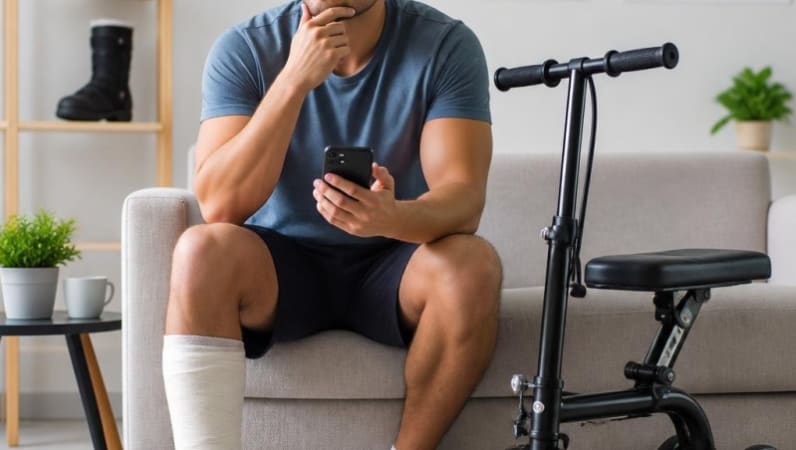
Foot surgery can turn even simple routines into a planning exercise, especially in a place like Kanata where winter sidewalks, apartment hallways, and busy parking lots can make every trip feel longer than it should. For many people, the first question after a below-the-knee procedure is not just how to heal, but how to stay independent while doing it. That is where renting an iWALK Hands-Free Knee Crutch Mobility Aid in Kanata can become a practical short-term solution.
If you are comparing crutches, a knee scooter, or a hands-free knee crutch rental, it helps to think beyond the first day home from surgery. You may need to get to follow-up appointments, move around your home, answer work emails from a standing desk, or carry a coffee without feeling stuck in one spot. A hands-free device can be especially appealing for people who want both hands available and prefer a more upright walking position. At the same time, it is not the right fit for everyone, and that is why understanding the use case matters before you decide. This guide looks at who may benefit, what to expect, and how Kanata’s local conditions can affect your recovery experience.
What Makes a Hands-Free Knee Crutch Different After Foot Surgery?
A hands-free knee crutch is designed to support a non-weight-bearing lower leg while keeping your hands free for daily tasks. Instead of relying on underarm pressure like standard crutches, the iWALK supports the injured leg through the shin, knee, thigh, and foot platform setup. For many users, that means less strain on the wrists, shoulders, and hands during a period when mobility is already limited. It also changes the way you move through a room, because you remain more upright than you would with traditional crutches. That posture can feel more natural to some people, especially after the first learning curve passes. It is also easier to use while carrying a light item, opening a door, or steadying yourself on a railing when appropriate.
In practical terms, this matters most after procedures that require strict below-the-knee non-weight-bearing recovery. If your surgeon has told you to keep weight off the foot and you are otherwise balanced and confident on your feet, this type of aid may be worth considering. It is not meant for knee, hip, thigh, or balance-related injuries, so the exact instructions from your care team should always come first. People sometimes assume that a mobility aid is only about getting from point A to point B, but comfort and usability are just as important during recovery. If a device makes it hard to navigate your home or complete basic tasks, it can create frustration that adds to the stress of healing. A good fit can make recovery feel more manageable and less restrictive.
Another difference is storage and convenience. A knee scooter can be useful, but it may be awkward in tight hallways, compact condos, or small office spaces, which are common around Kanata. A hands-free knee crutch is usually easier to store, transport, and maneuver in narrower indoor spaces. That can matter if you are going up and down from a basement apartment, moving through a townhouse entryway, or visiting a clinic with limited waiting room space. It may also be easier to bring along in a vehicle if someone else is driving you to appointments. For many renters, the compact design is one of the biggest reasons to consider it as a short-term mobility aid rental.
The feeling of upright movement is another point people mention after trying it. Many users say they feel less like they are “dragging” through the day and more like they can participate in normal routines again. Of course, that depends on the injury, the fit, and how much practice you get before heading out. The iWALK is not a magic fix, but it can bridge the gap between total dependence and practical day-to-day independence. When the fit is adjusted properly, it can help reduce fatigue during the recovery period. For that reason, taking a few minutes to understand the device before leaving home is time well spent.
Because this is a like-new used medical accessory, renters can expect a device that is ready for short-term recovery use without the commitment of buying equipment that may only be needed for a few weeks. That is especially helpful after surgeries where healing timelines are hard to predict at the start. A person who expects a brief recovery may later discover they need mobility support a little longer than planned, and a rental gives flexibility without adding clutter to the home. In a city like Kanata, where life continues around work, school pickups, grocery runs, and errands, flexibility can be just as valuable as the device itself. The key is matching the aid to the injury, the environment, and the user’s confidence level. When those pieces align, the device becomes a tool for smoother recovery rather than just another obstacle to manage.
There is also a psychological benefit that should not be overlooked. After surgery, feeling less dependent on others for every small task can improve morale. Being able to carry a water bottle, keep a phone in hand, or move through your kitchen without waiting for help can make the day feel more normal. That sense of control matters, especially when healing already asks so much patience. For many people, choosing a hands-free option is as much about dignity and routine as it is about mobility. That is why people often search for renting an iWALK Hands-Free Knee Crutch Mobility Aid in Kanata after foot surgery rather than settling immediately for the first standard option they see.
Who Is a Good Candidate for an iWALK Rental?
The best candidates for a hands-free knee crutch are usually adults with a below-the-knee injury who are expected to remain non-weight-bearing for a period of time. They also tend to be people who have decent balance, enough upper body control to manage the learning phase, and the ability to follow medical instructions closely. If you are comfortable with slow, deliberate movement and can spend time getting the fit right indoors first, you may adapt more quickly. The device is meant to help, but it does ask the user to be attentive and patient. In that sense, it is best for someone who is confident, cautious, and realistic about the recovery process. A quick conversation with your surgeon or physiotherapist can help confirm whether it fits your situation.
It is especially useful for people who need to stay active around the house while protecting the injured foot. For example, someone recovering after bunion surgery, a fracture, or another lower-leg procedure may need to prepare meals, move between rooms, or answer work calls at home. Traditional crutches can leave your hands occupied and make simple tasks feel like a balancing act. A hands-free device can make it easier to carry a plate, manage a laptop, or open a door without immediately looking for help. That said, confidence should not be confused with overconfidence. If your balance is shaky or you tend to feel dizzy, another mobility aid may be safer.
A useful way to think about eligibility is to ask a few honest questions. Can you balance on one leg long enough to get the device on and off safely? Can you follow directions for strap adjustment and practice indoors before going outside? Are you able to avoid risky surfaces like snow, ice, or wet pavement? In Kanata, those questions matter more in winter when sidewalks can be slippery and curb cuts may have uneven patches of ice. The device can be very helpful, but only when used on dry, stable, level surfaces and within the limitations given by your care team. If those conditions sound reasonable for you, the rental may be a strong fit.
There are also lifestyle considerations. Someone who works in a modern office in the tech corridor may appreciate being able to move between desks or meeting rooms with both hands free. A parent who needs to supervise routines at home may value being able to carry small items while moving carefully. A retiree who wants to attend a clinic, pharmacy, or family visit may like the upright position and compact storage. The point is not to force the device into every scenario, but to match it to the real world of your week. If the mobility aid reduces barriers in your environment, it can make the recovery period less isolating. That can be a big advantage in the first few weeks after surgery.
On the other hand, some people should avoid this style of device. It is not suitable for injuries above the knee, and it is not a good solution if your injury affects balance, coordination, or the knee itself. Stairs can also be a challenge, especially in older homes or buildings with narrow landings. If you live in an apartment with multiple flights, or your entrance has slippery steps, you should think carefully about your setup before choosing the device. Medical advice should always take priority over convenience. A good rental only helps when it matches the recovery plan.
A humanized example makes this easier to picture. Imagine a Kanata resident who had foot surgery on a Friday and needs to return to a follow-up appointment the next week. They do not want to rely on family members for every short indoor trip, but they also know they cannot put weight on the foot. After talking with their care team, they try the iWALK at home, adjust the straps, and practice walking a short hallway route before the appointment. By the time they leave the house, they feel steadier and more prepared. That kind of everyday success is often what makes a rental feel worthwhile.
If you are unsure, the safest approach is to treat the rental as a tool for a specific recovery phase rather than a blanket solution. The right mobility aid should support your healing, not complicate it. That means checking your diagnosis, your physical comfort, and the surfaces you will encounter most often. When those pieces line up, an iWALK rental can be one of the more practical options available. It is not about being adventurous; it is about being functional during recovery. For many people, that is exactly what they need.
How Kanata Weather and Neighborhood Layout Affect Recovery
Kanata has a practical, suburban rhythm that can be friendly to recovery when the conditions are right, but local weather can change the equation quickly. In summer, dry sidewalks and smooth interior spaces make it easier to move around with a hands-free knee crutch. In fall and winter, however, wet leaves, slush, snowbanks, and icy patches can make even short trips outside more demanding. If you are recovering after foot surgery during the colder months, you should plan your routes carefully and avoid unnecessary outdoor travel. The best mobility aid still depends on the environment. A dry driveway is very different from a shaded walkway with packed snow.
Neighborhood layout also matters more than people expect. Some parts of Kanata have newer sidewalks and wider access points, while other areas may have uneven pavement, curbs, or narrow entryways that are less forgiving after surgery. Condos and townhouses often require more indoor maneuvering, which is one reason a compact device can be appealing. If you need to get into a clinic near the Kanata Centrum area, visit a pharmacy, or stop by a workplace in the nearby tech parks, mobility support needs to fit both indoor and outdoor movement. A scooter may be fine in some settings, but a hands-free device can be easier to handle in tighter corridors and entrances. That flexibility is part of why renters often look for something more adaptable than bulky equipment.
Weather preparedness should be part of your recovery plan from day one. If you are planning to use the device outdoors, make sure your outing is limited to dry, level surfaces and that someone can assist you if conditions change. Keep an eye on weather forecasts, because a sunny morning in Kanata can quickly turn into freezing rain or blowing snow later in the day. Even in shoulder seasons, wet pavement after a spring thaw can be unexpectedly slippery. The device is designed for stability in appropriate conditions, but it is not meant to solve winter hazards. That is why users should be cautious on stairs, transit platforms, and parking lots. One cautious decision can prevent a setback that slows recovery.
Inside the home, the most successful users tend to set up their space before they even start using the device regularly. That can mean clearing loose rugs, moving pet bowls, widening walking paths, and placing frequently used items at waist height. A home in Kanata with an open-concept main floor may be easier to navigate, but even a smaller layout can work well with planning. The goal is to reduce the need for sudden turns, awkward reaches, or carrying too much at once. Since the iWALK leaves both hands available, some people overestimate how much they can safely do. It is still wise to move deliberately and avoid rushing, especially in the first few days after surgery.
Appointments in the local area may also influence your choice. If you know you will be visiting a physiotherapist, surgeon, or imaging clinic, it helps to think about parking, curb heights, and indoor waiting areas. In winter, parking farther from the entrance may not be worth the extra effort. If possible, ask whether there is a drop-off zone or a closer accessible entrance. The more you can reduce unnecessary steps, the better. A hands-free knee crutch is most effective when the rest of your routine is made simpler, not harder. For many Kanata residents, that means building a recovery plan around the realities of the neighborhood rather than an ideal day with perfect weather.
One practical local tip is to practice routes before you need them. If you plan to visit a nearby clinic or make a short grocery stop, rehearse the indoor portion at home first. Use your rental in a controlled environment until the fit feels secure and your movement becomes more predictable. Then choose the simplest possible route for your first outing, preferably with someone nearby in case you need help. That way, your device is supporting recovery rather than becoming a source of stress. Small steps like this can make a big difference in confidence. In recovery, confidence and caution need to work together.
Finally, do not underestimate the seasonal wear and tear on your energy. Walking through snow, carrying a winter coat, or managing wet boots can be tiring even without surgery. With a foot injury, that effort increases, so it helps to keep trips short and intentional. A device that keeps both hands free can be useful, but only if you remain alert to your surroundings. If conditions are poor, it may be better to postpone the outing or ask for help. Recovery is rarely about doing everything alone. It is about making the smartest choices available for the weeks you need support.
How to Fit, Adjust, and Use the Device Safely
Getting the fit right is one of the most important parts of using an iWALK successfully. The device includes adjustable thigh, calf, and foot platform straps, and each one should feel snug without creating pain or restricting circulation. Before your first outing, spend time indoors adjusting the straps slowly and checking that the unit feels secure when you stand and take a few controlled steps. Many first-time users try to rush this part, but that usually leads to discomfort later. A careful fit can reduce wobble, increase confidence, and make the learning process smoother. It is better to spend extra minutes at home than to discover a bad adjustment outside.
Start with a short practice route in a safe, uncluttered room. Use a countertop, wall, or sturdy rail only if it is appropriate and safe for you to steady yourself while you learn the motion. Practice standing up, turning, and sitting down before you attempt hallways or doorways. It can help to wear supportive footwear on the uninjured foot and make sure your living space is free of loose cords or small rugs. Because the device is designed for users who can follow non-weight-bearing instructions, it should feel controlled rather than forced. A calm, methodical start is often the difference between frustration and confidence. If something feels off, stop and readjust.
One detail people sometimes overlook is clothing. Loose pants can interfere with strap access, and bulky winter layers can make fitting more difficult. In colder Kanata weather, you may need to dress in a way that keeps you warm without getting in the way of the device. For indoor use, lighter layers can make adjustment easier. If you plan to go outside, have your outerwear ready so you are not trying to manage too many pieces at once. The less you have to fumble with clothing, the safer the process tends to be. This is one reason why practicing at home before a real outing is so valuable.
The included non-slip walking tread is another important feature, but it should not be treated as permission to ignore surface conditions. Dry, stable, level ground remains the best choice. Wet tile, sloped driveways, icy pavement, and gritty snow can create hazards no matter how confident you feel. If you are using the device in an office building, be aware of polished floors and crowded corridors. If you are in a home with stairs, consider whether you truly need to carry items up and down at the same time. Safe use means accepting a slower pace and planning movements in advance. A little patience can save a lot of trouble.
Because this is a like-new used mobility accessory, a quick visual check before each use is a smart habit. Look over the straps, platform, and tread before heading out. Make sure everything is clean, secure, and positioned as expected. While this device is built for practical short-term use, regular awareness helps you catch small issues early. If you notice anything unusual, stop and address it before continuing. That kind of check only takes a moment, but it supports safer recovery. Good mobility support is not just about the device itself; it is also about how carefully you use it.
It is also wise to keep expectations realistic during the first days. Some users adapt fairly quickly, while others need a little more time. Balance, fatigue, pain, and confidence all play a role. If you have never used a hands-free knee crutch before, your body needs time to learn a new pattern of movement. Take breaks, avoid rushing, and ask for guidance if you are uncertain. Recovery often rewards the people who are patient with themselves. That mindset can turn a rental into a genuinely useful part of healing.
Many renters find it helpful to think of the device as a tool for specific tasks rather than a replacement for all support. It may be perfect for moving around inside the house, getting from room to room, or reaching a nearby appointment, but it may not be ideal for long outings or unpredictable terrain. If you use it with that kind of realism, it can become one of the most helpful items in your recovery toolkit. In short, safe use comes down to fit, practice, and common sense. The more deliberately you approach it, the more likely it is to help.
When Renting Makes More Sense Than Buying
For many people, the decision to rent instead of buy comes down to duration and practicality. Foot surgery recovery is often temporary, and the equipment you need for a few weeks may not deserve a permanent spot in your closet or garage. Renting allows you to use the right tool during the healing window without keeping it after you no longer need it. That matters for people in Kanata who already manage busy homes, shared spaces, or limited storage. A mobility aid that is helpful for a short time can become clutter later if it is purchased unnecessarily. Renting keeps the focus on recovery, not ownership.
There is also a lot of uncertainty early in the recovery process. You may not know exactly how long you will be non-weight-bearing, whether your surgeon will extend restrictions, or how comfortable you will feel with a particular device. A rental gives you flexibility while you figure those things out. If your needs change, you can adjust your plan without feeling locked in. That can be especially helpful after procedures with variable healing timelines. It is often easier to start with a rental and then reassess once your mobility improves. This approach can reduce stress during an already busy medical period.
Another reason renting makes sense is fit and function. The iWALK has adjustable settings, but not every mobility aid works for every person. Renting lets you test whether the device truly suits your body, your home, and your routine. If it does, you can use it with confidence. If it does not, you have not tied up space or resources in equipment that will not serve you well. That is a practical advantage, particularly for first-time post-surgery patients who are still learning what kinds of support feel most natural. Recovery becomes easier when your tools match your daily reality.
The rental model also works well for families helping someone through healing. In many cases, a spouse, parent, or adult child is trying to coordinate appointments, meals, and household tasks while also managing the injury itself. Having one less item to buy, store, or maintain simplifies the process. Since the device arrives ready to use with basic fit and usage guidance, it removes some of the guesswork that can come with assembling recovery equipment. The less time spent worrying about logistics, the more energy you can put into healing. That is not a small thing when every day already requires planning.
A real-world example helps here too. Think of a Kanata resident who expects to be off a foot for about a month after surgery. They live in a townhouse, work partly from home, and need to get to a follow-up appointment near the local medical corridor. A knee scooter might be awkward in the home, and standard crutches might leave their hands too busy to handle everyday tasks. Renting an iWALK gives them a short-term, adjustable solution that suits the actual rhythm of their week. If recovery goes faster than expected, the device is only used as long as needed. If it takes longer, they still have support without the pressure of a purchase they may not use again. That is the kind of flexibility that makes rentals so appealing for medical accessories.
Renting also aligns well with the like-new used condition of the item. Users get a clean, ready-to-use mobility aid designed for short-term recovery, not a worn-out piece of equipment that feels like an afterthought. That can matter emotionally as much as physically. After surgery, most people want their support tools to feel dependable and straightforward. A well-kept rental can provide that reassurance while still keeping the arrangement temporary. In a recovery period where so much already feels uncertain, temporary simplicity has real value.
Ultimately, buying is not automatically better just because an item is useful. If your need is time-limited and your environment changes with the season, a rental may simply be the smarter choice. That is especially true in a city like Kanata, where weather, traffic, and interior layouts can shape how you move through the day. The right answer is the one that supports healing with the least friction. For many post-surgery renters, that answer is a short-term iWALK rental.
If you are deciding whether to rent a hands-free knee crutch after foot surgery, the most important question is not whether the device sounds convenient, but whether it fits your recovery needs and living environment. For below-the-knee non-weight-bearing injuries, the iWALK can be a practical alternative to standard crutches or a knee scooter, especially when you want both hands free and a more upright way to move. In Kanata, that can make a real difference when you are dealing with hallways, clinic visits, winter sidewalks, or everyday tasks at home. The device’s adjustable straps, compact design, and straightforward setup make it a strong option for the right user.
That said, the safest recovery choice is always the one that matches your medical instructions and your balance level. If you are confident, carefully prepared, and aware of the limitations around stairs, wet pavement, snow, and uneven surfaces, renting an iWALK Hands-Free Knee Crutch Mobility Aid in Kanata may be exactly what you need for a smoother healing period. It is a tool for temporary independence, not a replacement for medical guidance. When used thoughtfully, it can help you keep your routine moving while your foot does the important work of healing.
About The Author
