
Should You Use a Patient Turning Pillow for Home Care?
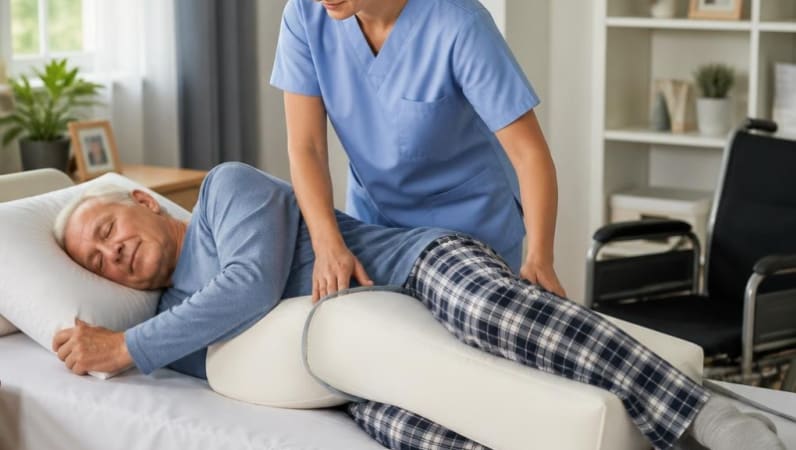
When a loved one comes home from the hospital, the first few days can feel like a balancing act. In Kanata, that often means making temporary home care work around snow, stairs, limited space, and busy family routines. A U shaped patient turning pillow can make those early recovery days much easier by helping caregivers reposition a person more comfortably and with less strain. It is especially useful when mobility is limited after surgery, during bed rest, or while supporting an older adult who needs help changing position through the day and night.
For families looking at renting a U Shaped Patient Turning Pillow in Kanata, the main question is usually not just whether the pillow works, but whether it fits the real-life situation at home. The answer depends on the person’s condition, the caregiver’s comfort level, and how often repositioning is needed. Because this is a Used_Like_New medical accessory in the Medical-Accessories category, it offers a practical short-term solution without making you commit to equipment that may only be needed for a few weeks. It also fits well into the kind of temporary care many Kanata households manage after surgery, injury, or a sudden change in mobility.
What a U Shaped Patient Turning Pillow Actually Does
A patient turning pillow is designed to support a person during side-lying and repositioning routines, especially when they need help staying comfortable in bed. The U shaped design creates leg grooves that help keep the knees separated and aligned, which can reduce awkward twisting during movement. That simple shape matters more than many people expect, because it gives the caregiver a more stable way to shift body position without using complicated equipment. In a home care setting, that stability can make each turning routine feel less rushed and less physically demanding.
The thick foam body is another important feature, because it spreads contact across a wider area instead of concentrating pressure in one spot. This can be helpful when someone spends a lot of time resting in bed after surgery or during a period of reduced mobility. The pillow does not replace professional medical advice, but it can support the care plan that a nurse, physiotherapist, or doctor recommends. For many families, it becomes a bridge between hospital care and at-home recovery. That bridge can be especially valuable when the person is tired, sore, or emotionally overwhelmed by the adjustment.
One of the biggest advantages is how caregiver-friendly the pillow is in day-to-day use. You do not need a large lift system or a complicated setup to make it useful. Instead, the pillow can be placed and adjusted during regular care times, such as after meals, before sleep, or when changing linens. This makes it easier to keep a routine, which is important for both comfort and skin care. If someone is spending long stretches in bed, predictable repositioning can help reduce pressure and support better rest.
The lightweight design also helps in a typical Kanata home where the care space may shift from one room to another. A caregiver might use it in the main bedroom one day and move it to a guest room or temporary recovery space the next. That flexibility is useful during winter months, when families may want the person recovering to stay closer to the warmest and most accessible area of the home. It is also helpful if different family members are taking turns assisting with care. A pillow that is easy to move tends to get used more consistently.
Many renters are surprised by how much small positioning details matter. If the knees are supported properly, the body can feel more settled, and that can make side-lying much less uncomfortable. When the body is less tense, caregivers often find it easier to complete a routine without repeated readjustments. The U shaped channels are part of what makes this item practical, because they guide the legs into a more natural resting position. That is one reason why it is often chosen for seniors, post-surgery recovery, and temporary home care support.
For families in Kanata, the real value is not just the pillow itself, but the sense of control it brings to a stressful situation. After discharge from the hospital, it is common to feel unsure about what is needed at home. A patient turning pillow can simplify one part of the day so the family can focus more energy on medications, meals, hydration, and rest. In that way, it becomes a quiet but meaningful piece of the care setup. It may not be the most dramatic item in the room, but it can make the daily routine noticeably smoother.
When Renting Makes More Sense Than Buying
Not every recovery period requires long-term equipment, which is why renting can be the smarter option for many households. In Kanata, families often need support only for a short window after a procedure, a fall, or a sudden mobility change. If the need is temporary, buying specialized equipment can create clutter once recovery is complete. Renting allows you to use the item while it is genuinely helpful and then return it when the situation changes. That flexibility is one of the biggest reasons people look for medical accessories on a rental basis.
A rental can also be helpful when the length of recovery is still uncertain. Sometimes the discharge plan looks straightforward at first, but healing takes longer than expected. In those cases, a short-term rental gives caregivers breathing room without forcing a permanent decision too early. That matters for families who are already managing appointments, transportation, and the practical details of home care. It is easier to adjust the setup when you are not worried about owning equipment that may only be needed briefly.
Another common reason to rent is to keep the home environment simple. A Used_Like_New patient turning pillow can arrive ready to use, which is ideal when the focus should be on care rather than shopping and assembly. This is especially useful in neighborhoods like Stittsville, Nepean, and nearby Ottawa communities where family schedules are already full. Parents juggling work, school pickups, and caregiving often appreciate anything that reduces planning time. A rental can arrive as part of a more manageable home care strategy instead of becoming one more item to buy, store, and maintain.
There is also a practical financial side to renting, even if price is not the only concern. Specialty recovery items are not always used again after the first care episode. Many families prefer to reserve long-term purchases for equipment they know will be reused. Renting helps avoid the feeling that you are guessing about a future need. That can be a relief when the current priority is helping someone recover safely and comfortably.
From a caregiver’s perspective, renting can make it easier to match the equipment to the stage of recovery. A U shaped patient turning pillow may be ideal during the early weeks when repositioning is most frequent. Later, the care plan may change and the pillow may no longer be necessary. Having the option to return it means the care setup can evolve naturally. That kind of flexibility is valuable in real homes, where recovery rarely follows a perfect schedule.
It is also worth noting that rental items often come with a more focused purpose. The upgraded U shaped patient turning pillow is designed specifically to support positioning, not to serve as a general-purpose cushion. That clarity can be useful for families who prefer products that do one job well. When you rent a tool that has a clear function, it is easier to decide whether it belongs in the care routine. For many Kanata households, that straightforwardness is exactly what they need during a stressful period.
If you are comparing options, think about how often the pillow will be used, who will be doing the repositioning, and how much space you have at home. Those questions usually reveal whether renting is the better fit. For short-term elder care, post-op recovery, or respite care, the answer is often yes. The goal is not to collect equipment. The goal is to make home care safer and more manageable for the time you actually need it.
How to Use the Pillow Safely and Comfortably at Home
The best results usually come from using the pillow as part of a simple and repeatable routine. Place it during planned repositioning times rather than waiting until the person is already uncomfortable. That approach gives the caregiver more control and helps the person feel less startled by movement. A calmer routine is often easier on both the body and the mind. In home care, that matters just as much as the equipment itself.
It helps to keep the pillow clean, dry, and properly placed before each use. If the pillow includes a removable or wipeable cover, that can be useful during recovery when linens may need more frequent cleaning. Some families also like to add a clean sheet or care pad on top for extra softness and hygiene. This can be a small adjustment, but it makes the setup feel more comfortable and more familiar. Patients who are already sensitive after surgery often appreciate those small touches.
Here is a simple mini-guide that many caregivers find useful:
- Wash or sanitize your hands before repositioning.
- Explain the movement before you begin so the person feels prepared.
- Place the pillow so the legs rest naturally in the U shaped channels.
- Check that the shoulders, hips, and knees feel supported.
- Recheck skin comfort after the person has settled for a while.
- Adjust blankets or sheets so they do not bunch up under pressure points.
That kind of step-by-step routine is especially helpful when multiple family members are involved. If one person assists in the morning and another at night, consistency matters. Everyone should know roughly where the pillow goes and how it should feel when positioned correctly. It is also useful to follow any instructions from a nurse or physiotherapist, since every patient has different needs. A pillow that works well for one person may need a slightly different placement for another.
The pillow should never be treated as a lifting device. It supports positioning, but it does not replace a caregiver’s hands or proper transfer equipment. That distinction is important for safety. If a person needs a full transfer from bed to chair or significant assistance standing, other tools may be required. The patient turning pillow works best as a support item within a broader care plan. Keeping that role clear helps prevent misuse and frustration.
In a Kanata home, the environment can also affect how well the routine works. During colder months, people may spend more time resting indoors, which can mean more frequent repositioning and longer bed rest. Dry winter air can make skin feel more fragile, so regular checks matter. If the room is cool, make sure blankets are arranged comfortably and that the person is not being repositioned into a drafty area. Small details like that can make a big difference in recovery comfort. Good care is often a series of small adjustments done consistently.
If your loved one is anxious about being moved, a calm tone helps. Explain each step before touching the pillow or shifting their legs. Some caregivers even count down gently so the person knows when movement will happen. A little predictability can reduce tension and make the process smoother. Those human moments are often what turn a medical routine into compassionate home care.
Local Home Care Realities in Kanata, Stittsville, and Nepean
Home care in Kanata often has to work around the practical realities of local living. Many homes have more than one floor, and winter weather can make stairs and entryways harder to manage, especially after a surgery or injury. Families in Stittsville and Nepean face many of the same challenges, particularly when schedules involve commuting, school runs, and caregiving at the same time. A reliable positioning aid can make the care routine less dependent on improvisation. When you already have enough to think about, simple tools matter.
Seasonal conditions are another reason families look for supportive home care items. Ottawa-area winters can be long, and recovery often happens while people are spending more time inside. That can mean more hours in bed, more sitting, and more need for repositioning. A patient turning pillow helps make those long indoor hours more comfortable. It can also ease pressure during times when the person is resting more than usual due to fatigue, pain, or limited mobility. In a season where everyone seems to slow down, the recovery process can slow down too.
Local families also tend to rely on support from multiple people, including spouses, adult children, and visiting relatives. That is one reason caregiver-friendly equipment is so valuable. If one person is taking care of meals while another handles mobility support, the pillow needs to be easy to understand and easy to use. There should not be a steep learning curve. The simpler the tool, the easier it is for everyone to stay on the same page. That is especially true when care is temporary and the household is adapting quickly.
The neighborhoods around Kanata are diverse, and so are the needs of the people living there. Some households are caring for an older adult who wants to remain at home as long as possible. Others are helping someone recover from orthopedic surgery or dealing with mobility changes after a fall. A U shaped patient turning pillow can fit into each of these situations differently, but the common thread is comfort. It gives families a practical option that works in everyday homes rather than only in hospital settings.
A quick human example makes this easier to picture. Imagine a Kanata family bringing a parent home after surgery just before a snowy weekend. They have medications organized, meals prepared, and a bedroom cleared for recovery, but they are unsure how to make turning in bed feel safe. A patient turning pillow gives them a straightforward way to support side-lying without overcomplicating things. It does not solve every challenge, but it makes one important part of caregiving easier. That can be enough to lower stress for everyone in the house.
Another local reality is that many people want to keep their homes tidy and uncluttered. Temporary equipment should be useful without taking over the room. Because this pillow is lightweight and designed for a specific purpose, it fits more easily into a spare bedroom or recovery space. When space is limited, that matters. People often appreciate equipment that supports care without making the home feel like a clinic. The right rental balances function and comfort in a way that feels natural.
For families in Ottawa’s western communities, the ability to rent locally also saves time and energy. Instead of searching for a long-term solution or trying to borrow something that may not be suitable, they can use a short-term support item that matches the recovery plan. That local practicality is part of what makes rentals so helpful. They meet a need at the right moment, then step out of the way when the need has passed.
What to Look for Before You Rent and How to Care for It
Before renting a U Shaped Patient Turning Pillow in Kanata, it helps to look closely at the condition, the materials, and how the pillow will be used in your home. Since this item is listed as Used_Like_New, the goal is to have a clean, dependable support tool that feels ready for home care. Ask whether the outer cover can be wiped down or removed for cleaning, and confirm that the foam still has enough firmness to support positioning well. A pillow that is too soft may not guide the legs effectively, while one that is too firm may feel uncomfortable. The balance matters.
You should also think about the caregiving environment. If the pillow will be used in a room where linens are changed often, make sure it is easy to move and reset. If the person has limited tolerance for pressure, choose a routine that keeps repositioning gentle and predictable. It can be helpful to place the pillow near the bed before the day begins so the caregiver does not need to search for it during a busy moment. Simple preparation often prevents unnecessary strain later. That kind of planning is especially valuable in a home where more than one person is involved in care.
When a rental item is part of a medical-accessories setup, hygiene is always worth extra attention. Use clean linens, avoid exposing the pillow to unnecessary moisture, and keep it away from open wounds unless they are properly protected by medical guidance and linens. If the pillow is shared among family members assisting with care, assign someone to check it regularly. A quick daily look is often enough to make sure the cover is clean, the foam is dry, and the positioning still feels right. These small checks support both comfort and safety.
There are also a few practical habits that can help extend the usable life of the rental during the care period. Do not fold or compress the foam in a way that changes its shape. Store it in a dry place when not in use. If any spills happen, clean them promptly according to the instructions you receive. Avoid using strong chemicals unless they are safe for the cover material. The goal is to keep the pillow fresh and supportive through the full rental period. Good care protects both the item and the person using it.
One detail families sometimes overlook is communication. If several caregivers are rotating through the home, make sure everyone understands the pillow’s purpose. It should be seen as part of the turning routine, not as a general cushion or a substitute for proper body support. When caregivers understand the item, they use it more confidently. That confidence can improve the whole experience for the patient, too. People recovering at home often notice when their care team feels calm and organized.
It is also smart to keep medical advice front and center. If a doctor or physiotherapist recommends a specific turning schedule, follow that schedule rather than guessing. A pillow can support the plan, but it should not override it. This is especially important for people with skin sensitivity, recent incisions, or more complex recovery needs. The best outcomes happen when the equipment and the care plan work together. That is what makes home care feel intentional instead of improvised.
A patient turning pillow can be a very practical choice for home care when comfort, safety, and ease of repositioning are all part of the picture. For many families in Kanata, especially those managing post-surgery recovery, elder care, or short-term mobility challenges, the U shaped design offers a simple way to make bed positioning less stressful. It is helpful precisely because it focuses on one job: supporting the caregiver and the person in care during regular turning routines. That kind of support can bring a sense of calm to a home that suddenly has a lot more to manage.
If you are considering renting a U Shaped Patient Turning Pillow in Kanata, think about the recovery stage, the home setup, and the advice of the medical team. A Used_Like_New rental from the Medical-Accessories category can be a sensible short-term solution when you need something dependable without a long-term commitment. For many Ottawa-area households, that balance of flexibility and practicality is exactly what makes a rental worthwhile. In the middle of a recovery period, the best tools are often the ones that make everyday care feel a little simpler and a lot more manageable.
About The Author
