
How to Rent Medical Equipment in Kemptville
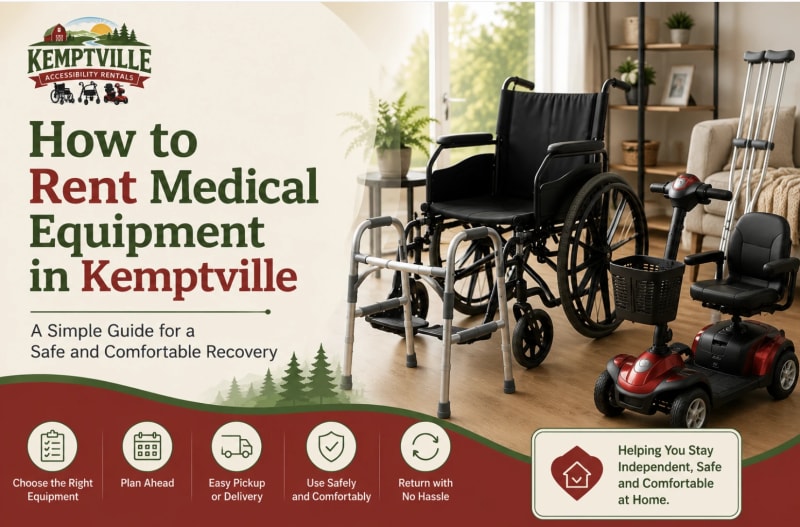
Whether you're preparing for surgery, recovering from an injury, or caring for a loved one, renting medical equipment can make the recovery process safer and more comfortable. For many people, renting is also a practical alternative to purchasing equipment that may only be needed for a few weeks or months.
If you've never rented medical equipment before, the process may seem unfamiliar. Fortunately, it's usually straightforward. Knowing what to expect before you begin can help you choose the right equipment, avoid delays, and feel more confident once you're home.
Determine What Equipment You Need
The first step is understanding what equipment will best support your recovery or mobility needs. In many cases, your surgeon, physician, physiotherapist, or occupational therapist will recommend specific equipment based on your condition and recovery plan.
For example, someone recovering from hip or knee surgery may require a walker during the first stage of recovery before transitioning to a cane. Someone who is unable to bear weight on one leg may benefit from a knee scooter, while a wheelchair may be more appropriate for longer distances or when fatigue is a concern. Bathroom safety equipment, such as shower chairs or raised toilet seats, is also commonly recommended to reduce the risk of falls while recovering at home.
Having a clear understanding of your mobility needs before contacting a rental provider will help ensure you receive equipment that's appropriate for your situation.
Plan Ahead Whenever Possible
If your surgery or hospital discharge has already been scheduled, it's a good idea to arrange your equipment in advance. Waiting until the day you arrive home can add unnecessary stress and may delay your recovery if equipment isn't immediately available.
Planning ahead also gives you time to measure your home and consider where the equipment will be used. Doorway widths, stairways, bathroom layouts, and vehicle size can all affect which equipment is the best fit. Taking these details into account before renting can help avoid complications after the equipment arrives.
If your needs change during recovery, many rental providers offer flexible rental periods, making it easier to extend your rental or transition to different equipment as your mobility improves.
Understand the Rental Process
While the exact process varies by provider, renting medical equipment is generally quick and straightforward. After selecting the equipment you need, you'll choose a rental period based on your expected recovery timeline. Depending on the type of equipment, you may be able to pick it up yourself or arrange for delivery directly to your home.
Before taking the equipment home, it's worth asking a few practical questions about how it operates, how it should be adjusted, and how to use it safely. If you're renting larger items such as hospital beds or mobility scooters, ask whether setup or assembly is included. Understanding these details before you begin using the equipment can help make your recovery more comfortable and reduce the likelihood of problems later on.
Use Your Equipment Safely Throughout Your Recovery
Medical equipment is designed to improve safety and independence, but it's important to use it as instructed. Taking the time to learn how to adjust and operate your equipment can help prevent falls, improve comfort, and support a smoother recovery.
As your mobility changes, your equipment needs may also change. Someone who initially relies on a walker may eventually transition to a cane, while a wheelchair may no longer be necessary as strength returns. Staying in communication with your healthcare provider and your rental company throughout your recovery helps ensure you're using equipment that's appropriate for each stage of the healing process.
If you experience any issues with the equipment during your rental period, contact the rental provider promptly rather than attempting repairs yourself.
Returning Your Rental Equipment
Once you've recovered and no longer need the equipment, the final step is arranging its return. Some providers offer pickup services, while others ask customers to return equipment to the store. If your recovery takes longer than expected, many rental companies also allow you to extend your rental before the original return date.
Returning rental equipment eliminates the need to store large mobility aids that are no longer being used and allows someone else in the community to benefit from professionally maintained equipment when they need it.
Renting medical equipment doesn't have to be complicated. With a little planning and the right equipment, you can create a safer and more comfortable recovery at home while avoiding the cost and commitment of purchasing equipment you may only need temporarily.
Kemptville Accessibility Rentals offers a wide selection of mobility and accessibility equipment, including wheelchairs, walkers, knee scooters, transport chairs, hospital beds, bathroom safety equipment, and more. Whether you're preparing for surgery, recovering from an injury, or supporting a loved one, flexible rental options make it easier to access the equipment you need, when you need it.
About The Author
