
Forearm Crutches vs Underarm Crutches: Which Rental Is Right?
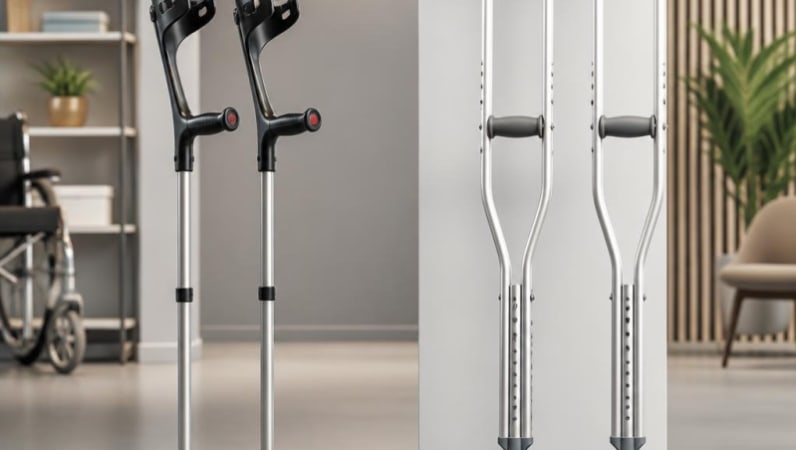
If you are recovering from an injury, surgery, or a short-term mobility setback, the right crutch can make everyday life feel much more manageable. In Arnprior, where people move between clinics, homes, parking lots, sidewalks, and local errands in every season, choosing the right rental matters more than many renters expect. Adjustable Forearm Crutches for Mobility Support are often a smart option for people who want more control, a lighter feel, and a support style that works well for short-term use. At the same time, underarm crutches can be the better fit for some recoveries, especially when a clinician recommends a specific walking pattern or when a renter is brand new to mobility aids. This guide breaks down the differences in practical terms so you can decide what is likely to feel safest and most comfortable for your situation.
For many people renting Adjustable Forearm Crutches for Mobility Support in Arnprior, the decision comes down to where they will use the crutches, how long they need them, and how much support they want through the forearm and hand. A used-like-new forearm crutch rental can be a convenient choice for physiotherapy visits, post-op follow-ups, travel, or helping a visiting family member get around safely. Because Arnprior has a mix of small-town streets, local medical appointments, and seasonal weather changes, a mobility aid should be practical both indoors and outdoors on stable surfaces. Below, we compare the two styles in detail so you can make a clear, confident choice.
What Forearm Crutches and Underarm Crutches Actually Do Differently
Forearm crutches and underarm crutches both help reduce weight on an injured leg or foot, but they transfer support in different ways. Forearm crutches, sometimes called elbow crutches, use a cuff around the forearm and a hand grip to help guide movement. Underarm crutches place padding beneath the armpit and are often seen as the more familiar style. The difference is not just about appearance; it changes balance, posture, and the amount of upper-body involvement needed. For renters in Arnprior, that can affect how easily the crutches fit into a vehicle, how comfortable they feel during clinic visits, and whether they suit a short recovery period or a slightly longer one.
Forearm crutches are usually favored by people who want more freedom through the upper body and a lighter overall carry. The forearm cuff helps some users feel more stable because the crutch stays connected to the arm even when the hand briefly relaxes. That can be helpful when you are moving slowly through a waiting room, stepping out of a car, or navigating the path from a physiotherapy clinic to the sidewalk. Underarm crutches can offer a more traditional support point, but they may feel bulkier for travel and less convenient for frequent lifting. If you expect to move the crutches in and out of a trunk, carry them up a few steps, or store them in a tight hallway, the lighter profile of forearm crutches can be appealing.
Another important difference is how body weight is distributed. With proper use, both styles should keep pressure off the injured area, but they do it through different contact points. Forearm crutches rely more on hand strength, posture, and arm control, while underarm crutches may feel more familiar to first-time users but can create discomfort if they are used incorrectly. A lot of renters assume underarm crutches are automatically easier, yet many people find forearm crutches less tiring for repeated short trips. In real life, the best option is the one that matches your instructions from a clinician, your balance, and your daily routine. That is why the right rental is not always the most common style, but the one that fits your situation.
For an expert perspective, I often suggest thinking less about what is standard and more about what is realistic. If you are using the crutches mainly for a few appointments, a week of recovery, or support while a sprain calms down, forearm crutches can feel efficient and manageable. If you need a more familiar design because you are still learning how to protect weight-bearing limits, underarm crutches may be the gentler starting point. The key is to match the tool to the person, not the other way around. That simple shift in thinking prevents a lot of frustration, especially during recovery when energy is already limited.
In the Arnprior area, renters also tend to care about how a mobility aid behaves in everyday settings. A crutch that works well on a polished clinic floor but feels awkward on a parking lot or a front walkway may not be the best practical choice. Adjustable forearm crutches are often a strong fit for these transitions because they are easy to lift, carry, and position. When you are moving between a home, a physiotherapy appointment, and a quick stop downtown, small details like grip feel and arm support become surprisingly important. The right design can reduce the mental load of each trip, which makes recovery feel less like a chore.
If you are comparing options for a family member, visitor, or yourself, it helps to picture the day-to-day routine rather than the abstract product category. Ask whether the user will mostly sit, stand, and take short walks, or whether they need to be on their feet for several small movements throughout the day. Forearm crutches often shine in the second scenario because they are easier to manage repeatedly. Underarm crutches may be preferable for more direct weight relief, depending on guidance. In either case, correct fitting and proper use matter just as much as the style itself.
When Forearm Crutches Make the Most Sense for Arnprior Renters
Forearm crutches are a practical rental choice when you need mobility support for a limited time and want something lightweight, adjustable, and easy to handle. They are especially useful for renters recovering from a minor injury, managing a post-surgery phase, or attending regular physiotherapy appointments. Because the forearm cuffs add control, many users feel steadier than they do with basic underarm models. That added control can be reassuring when you are walking cautiously through a clinic lobby or moving around a quiet indoor space at home. For people who do not need a heavy-duty long-term device, the simplicity of a forearm crutch rental is often the biggest advantage.
They can also be a good fit for travel and temporary stays. If someone is visiting Arnprior to spend time with family, attend an appointment, or recover away from home, portability matters. A pair of adjustable forearm crutches can be easier to store in a vehicle and less awkward to move through hotel corridors, a family member’s house, or a small rental suite. This is one reason they are popular among people who only need support for a short recovery window. The used-like-new condition of the rental can also be reassuring because it typically means the crutches have already been checked and are ready for a practical, short-term need.
Forearm crutches are also worth considering if a user values a more active-feeling walking pattern. Some people prefer the way the cuff keeps the crutch aligned with the arm, especially when they need to stop and start often. In a town like Arnprior, that can be useful when moving from parking spaces to a medical office, or from a home driveway to a sidewalk. They are not meant for unstable, icy, or steep terrain, but on stable surfaces they can perform well and feel intuitive once fitted properly. Because they are adjustable, renters can better match the height to their arm position and walking posture. That can make the experience feel much more natural after just a few practice steps.
Another reason renters choose forearm crutches is that they often feel less bulky than underarm crutches when used repeatedly throughout the day. That may not matter to someone who needs them for only one or two outings, but it matters a lot if they are making several short trips. Imagine a day with an early appointment, a stop for groceries, and an evening family visit. Lifting, carrying, and setting down a lighter mobility aid can reduce fatigue. The hand grips and rubber tips included with a good rental help support that daily rhythm. For many people, the biggest benefit is not dramatic speed but simply feeling more in control.
They are also a sensible option for people who know they will be following a clinician’s weight-bearing guidance closely. Forearm crutches can complement a carefully managed recovery plan, as long as the user understands the correct gait pattern and does not push beyond their limits. Supportive shoes, a deliberate pace, and a few dry practice steps before heading out can make a meaningful difference. In other words, the crutches help, but the routine around them matters too. A careful fit and calm pacing often do more for safety than any single feature.
If you are weighing whether forearm crutches are worth renting, think about your busiest real day, not your best-case day. If you expect multiple short transfers, limited storage space, or several stop-and-go movements, forearm crutches may be the cleaner solution. They tend to suit people who want mobility support without a lot of extra bulk. For that reason, they are a strong match for many renters in Arnprior who need short-term assistance without committing to a purchase. The combination of adjustability, lightweight build, and forearm support makes them a reliable middle ground for many situations.
A quick human note: one renter described the relief of being able to get from a follow-up appointment back to the car without feeling like the crutches were fighting them. That kind of feedback is common with forearm models. They do not remove the challenge of recovery, but they can make the challenge feel more manageable. And during recovery, manageable is often exactly what people need.
When Underarm Crutches May Be the Better Choice
Underarm crutches still have a place, especially for users who have been told by a clinician to use that style or who feel more comfortable starting with a very familiar design. Some renters prefer the underarm support because it feels more intuitive during the first few days after an injury. For people who are anxious about balance, that sense of familiarity can make a big difference. The underarm style is often the one people first picture when they think of crutches, so the learning curve may feel less intimidating. If confidence is your biggest concern, that matters.
These crutches can also be useful when a user needs substantial support for a short period and has received clear instructions on how to walk with them. In some recoveries, the underarm design aligns better with the plan laid out by a doctor, physiotherapist, or hospital team. For renters in Arnprior leaving a medical appointment with temporary mobility instructions, following that guidance is more important than any general preference. In those cases, the right answer is the style that supports the recovery plan. Comfort matters, but safety and compliance matter first.
That said, underarm crutches require careful use. They should not be rested heavily into the armpits, and users need to be mindful of posture, hand placement, and step rhythm. When used incorrectly, they can create discomfort and strain. That is one reason some people later move toward forearm crutches after trying underarm ones. The underarm model can feel easier at the start, but not always easier after repeated use. A little instruction goes a long way, and basic fit guidance is essential no matter which style is selected.
For people navigating indoor-only movement, underarm crutches may be adequate if they have enough room to move and if the surfaces are flat and predictable. Still, for errands around town or repeated lifting in and out of a vehicle, they can feel less compact than forearm crutches. If you are planning to go from a home in Arnprior to a clinic and then to another stop, bulk can become a real issue. That is why many short-term renters compare the two styles not just by comfort, but by the kind of day they actually have ahead of them. Mobility aids need to fit the day, not the other way around.
One practical point that people sometimes overlook is weather. Arnprior winters can make sidewalks and parking lots unpredictable, and even a well-designed crutch is only as safe as the surface underneath it. Underarm crutches do not solve that problem, and neither do forearm crutches, which is why stable surfaces and careful movement are essential in any season. On wet spring days, leaf-covered sidewalks in fall, or icy patches in winter, the safest move is often to slow down and choose the most stable route. Whichever style you choose, patience is part of the equipment. The best crutch is the one that supports caution rather than encouraging hurry.
If you are unsure and have a clinician’s recommendation, let that guide you first. If you do not have a recommendation, think about your upper-body strength, how often you will move around, and whether you want the cuffs and lighter build of a forearm design. Underarm crutches may feel like the obvious default, but they are not automatically the best rental for every person or every recovery. Many renters discover that a different support style feels better once they compare the realities of daily use. Asking those questions before choosing can save a lot of discomfort later.
In short, underarm crutches are best viewed as a useful option, not the universal answer. They can be right for some users, but the choice should be made thoughtfully. If your situation is temporary and you value easier portability, forearm crutches often edge ahead. If your care team specifically recommends underarm crutches or you need the most familiar starting point, they may be the right fit. The goal is not to pick the most common item; it is to pick the one that helps you move safely.
How to Get the Best Fit and Use the Rental Safely
Getting the fit right matters just as much as choosing between forearm and underarm styles. A crutch that is the correct type but the wrong size can create unnecessary strain, awkward posture, and fatigue. Adjustable Forearm Crutches for Mobility Support are especially helpful because the height can be matched more closely to the user’s body. The basic rule for forearm crutches is to set the height so the elbow has a slight bend when the tip rests flat on the floor. That small bend improves control and helps the crutch feel more natural as you move.
It is also important to use supportive footwear. Slippery slippers or soft sandals can make even a well-fitted crutch feel unstable. A firm shoe with good traction is a better partner for the rental, particularly when moving around the house or stepping outside briefly. In Arnprior, where a short walk to the car may involve slush, damp pavement, or uneven edges, footwear matters more than many people realize. The rubber tips on the crutches help with traction, but they cannot compensate for poor footing or an unsafe surface. The safer the shoe, the safer the stride.
Before relying on the crutches for a full outing, take a few slow practice steps. This helps you get a feel for spacing, rhythm, and hand pressure. Beginners often focus too much on the injury and forget that upper-body posture is doing a lot of the work. Keep your shoulders relaxed, your gaze forward, and your steps deliberate. If possible, practice indoors on a flat surface before heading out to a clinic or a store. The goal is to make the movement feel predictable before you need to use it under pressure.
It also helps to think about the environment in advance. A narrow hallway, a crowded waiting room, or a car with limited access can all affect how smooth the experience feels. Adjustability is a major advantage because it gives you more room to adapt. If you are borrowing the crutches for a visiting relative, take a moment to fit them before a busy day begins. That small preparation step prevents a lot of awkward stops later. Many rental problems are really fit problems in disguise.
The importance of stable surfaces cannot be overstated. These crutches are best on clean indoor floors, dry sidewalks, parking lots, and other predictable terrain. They are not meant for ice, wet floors, loose gravel, or steep slopes. In Ottawa Valley weather, that means extra caution in late fall, winter thaw, and after rain. If the route looks questionable, choose another route or wait until conditions improve. A careful user can get much more out of a mobility aid than a rushed one. Safety is not just about the device; it is about the decision-making around it.
A helpful habit is to check the rubber tips periodically. Even in a short rental period, tips can pick up wear from repeated use on pavement or indoor flooring. If the tread looks flattened or the tip feels less secure, the crutch should not be ignored. The hand grips should also feel comfortable and stable, since your hands carry much of the load. Because these rentals are in used-like-new condition, they are designed to arrive ready for practical use, but a quick personal check before each outing is still smart. That kind of small maintenance routine takes very little time and adds peace of mind.
Finally, remember that a crutch is part of a recovery plan, not a substitute for medical guidance. If your clinician has given you weight-bearing limits, walking instructions, or a timeline, follow that advice first. The rental supports the plan; it does not replace it. When the fit is correct and the instructions are clear, most users adapt more quickly than they expect. That is especially true for short-term support when the goal is simply to move safely and maintain independence during recovery.
Why Renting in Arnprior Makes Sense for Short-Term Mobility Support
For many people, renting makes more sense than buying because the need is temporary. That is especially true for recoveries that follow an injury, a procedure, or a brief period of reduced mobility. In Arnprior, renters often need support for appointments, physiotherapy sessions, or a few weeks of daily movement while healing progresses. Renting allows you to match the tool to the moment instead of committing to equipment you may not need for long. It is a practical option for families helping a loved one, visitors staying in town, or locals dealing with an unexpected setback.
Rental flexibility also matters when you are not yet sure which style will feel best. Someone may think they want underarm crutches and later discover that forearm crutches fit their routine better. Renting gives you room to make that comparison without pressure. Because the item is a medical-accessories category rental in used-like-new condition, the focus stays on utility rather than ownership. You can concentrate on what helps you get through the week, not on storing a device forever after recovery ends. That kind of flexibility is often underrated until you are in the middle of healing.
There is also a local convenience factor. Arnprior residents are used to moving between home, clinic, and errands with relatively short travel distances, but those small trips still add up when mobility is limited. A rental that is lightweight and easy to carry can make a big difference across a whole week of errands. If you need support while visiting the hospital, attending physio, or handling household tasks, the right crutches reduce friction. Small efficiencies matter when every step takes more thought than usual. A reliable rental can help keep your day on track without feeling cumbersome.
Seasonal weather adds another reason to rent rather than buy. A temporary spring recovery may require a different level of caution than a summer one, and winter in the Ottawa Valley brings obvious footing concerns. If you only need help during one season, it makes sense to choose a solution for that specific time window. Renting forearm crutches lets you stay adaptable if your needs change as you heal. You are not locked into a long-term purchase when your situation is still evolving.
One of the most useful aspects of renting is the chance to focus on the user’s real routine. Are they mostly inside? Do they need to get in and out of the car? Will they be visiting a relative, attending follow-ups, or managing light errands? These questions shape the better choice more than any generic product comparison can. Forearm crutches often suit active short-term routines because they are lightweight and easy to maneuver. Underarm crutches may be better when a care plan specifically calls for them. Either way, a rental gives you a sensible, low-commitment way to respond to the actual need in front of you.
For anyone searching locally, the phrase renting Adjustable Forearm Crutches for Mobility Support in Arnprior usually points to the same core need: something practical, supportive, and easy to use right away. That is exactly where a well-kept, adjustable pair can shine. They are ready for day-to-day support without adding unnecessary complication. In recovery, that simplicity can be a real advantage.
Forearm crutches and underarm crutches both have a role, but the best rental is the one that fits your recovery, your routine, and your surroundings. For many short-term users in Arnprior, Adjustable Forearm Crutches for Mobility Support offer a lightweight, portable, and stable option that feels easier to manage across appointments, home use, and local errands. If you need something familiar or have specific clinician guidance, underarm crutches may still be the right path. The main point is to match the support to the person and the recovery stage, not just to habit.
When you are deciding, think about where you will walk, how often you will move, and what kind of control feels safest. Take the time to fit the crutches properly, use supportive shoes, and stay on stable surfaces. That approach helps renters get the most benefit from a temporary aid while avoiding unnecessary strain. In the end, the right crutch rental should make your days simpler, steadier, and less stressful. That is the real value of choosing carefully.
About The Author
