
Should You Rent a 156 Pint Dehumidifier for Water Damage?
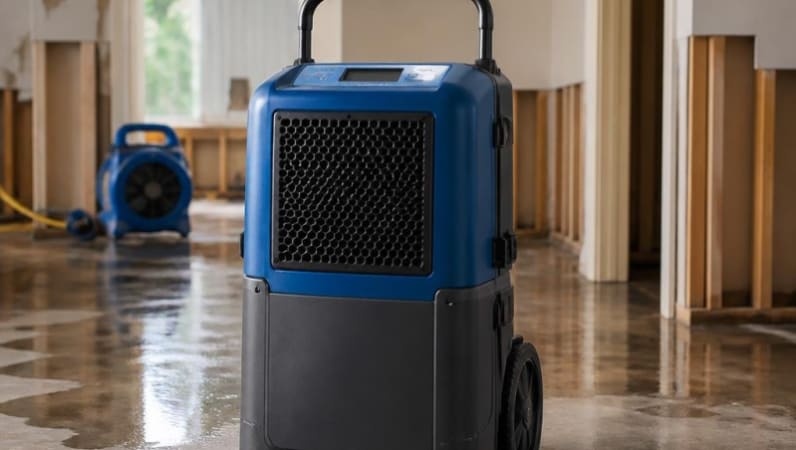
If you have ever walked into a basement in Nepean after a spring thaw or a heavy Ottawa rainstorm and caught that damp, earthy smell, you already know how quickly moisture can become a real problem. Water damage does not always mean a flooded room, either, because humidity, seepage, and lingering dampness can be just as destructive over time. That is where renting a VEVOR 156 Pint Commercial Dehumidifier in Nepean can be a very practical move for homeowners, renovators, landlords, and small business owners who need to dry a space fast. This kind of equipment is especially useful in basements, crawl spaces, storage rooms, workshops, and renovation zones where a standard household unit simply cannot keep up. In a community like Nepean, where snowmelt, humid summer stretches, and sudden storms can all affect indoor moisture levels, having the right drying equipment makes a noticeable difference. The goal is not just to feel more comfortable, but to protect flooring, framing, stored belongings, drywall, and air quality. Renting a commercial unit gives you the drying capacity of jobsite-grade equipment without committing to a bulky machine you may only need for a short period.
What makes this option stand out is that it is built for real jobsite use, not just light household dehumidifying. The VEVOR OL80-D065D offers strong moisture removal, continuous drainage, and a galvanized steel body that handles demanding conditions better than many consumer models. For anyone dealing with a recent leak, minor water intrusion, or a basement that has stayed damp longer than it should, the difference can be significant. It is also a smart choice when you are preparing a basement for finishing and want to reduce the risk of trapping moisture behind new walls or flooring. Since this model includes a 6.56 ft drain hose, you can set it up to run continuously and avoid the constant chore of emptying a reservoir. That convenience matters when drying needs to happen overnight or for several days in a row. If you are trying to decide whether this size is right for your situation, the answer usually depends on how much moisture is present, how large the space is, and how quickly you need the area to recover.
When a 156 Pint Dehumidifier Is the Right Tool for the Job
A 156 pint commercial dehumidifier is not the tool you grab for a small laundry room or a lightly humid spare bedroom. It is designed for bigger moisture problems and larger spaces where faster water removal matters. In practical terms, this makes it a strong choice after a basement leak, a burst pipe, foundation seepage, or a renovation project that leaves materials exposed to damp air. The unit can handle spaces up to about 2,300 square feet, which gives it enough reach for many typical Nepean basements and lower-level living areas. Its 237 CFM airflow helps move humid air through the machine more quickly, which is part of why it can dry more aggressively than a standard home dehumidifier. If your goal is to get a space back to normal conditions as efficiently as possible, that higher capacity is a major advantage. It can also be useful in workshops and storage areas where moisture may damage tools, cardboard, or wood. In those settings, controlling humidity is not only about comfort but about preservation.
There is also an important difference between removing moisture from the air and actually drying a structure after water damage. A smaller dehumidifier may lower the humidity eventually, but it can take longer, especially if the room is cold, the air is stagnant, or the moisture load is high. This commercial unit is better suited to a more serious drying timeline, which is why it is often a smart rental rather than a purchase for one-off events. If your basement in Nepean has musty odours after snowmelt or spring runoff, that smell is often a clue that moisture has settled into hidden materials. Drying the air quickly helps reduce the chance that odours become embedded in carpet, trim, insulation, or stored items. It also makes the room more pleasant to work in if you are doing repairs. For many renters, the question is not whether they need a dehumidifier, but whether they need one that can actually keep up with the situation.
One of the most useful things about this model is that it gives you flexibility through its operating modes. Auto, Dry, Sleep, and Smart Defrost settings let you match performance to the environment instead of running the machine the same way in every situation. That matters in Ottawa-area basements because temperatures can vary a lot depending on the season and whether the space is heated. Smart Defrost helps the machine stay productive in cooler conditions, which is valuable during shoulder seasons when basements can still feel chilly. The continuous drain setup also makes this a better fit for longer drying jobs than a bucket-based design. When a basement or crawl space needs days of treatment, a drain hose reduces interruptions and keeps the machine working consistently. For people tackling a water issue in Nepean, consistent runtime is often the difference between slow improvement and real progress.
If you are wondering whether the size is overkill, it helps to think about the worst-case moisture source rather than the most visible symptom. A damp corner may look minor, but the wall cavity behind it could be much wetter. Likewise, a room that seems only a little humid may actually need several days of strong drying to prevent mold growth or material damage. Renting a larger unit is often the safer choice when you want to stay ahead of lingering moisture. That is especially true if you have already tried a smaller appliance and it has not been enough. In those cases, stepping up to a commercial dehumidifier can save time and reduce frustration. It can also limit the need for repeated runs or extended cleanup. For many homeowners, that makes the rental feel like a practical solution rather than an oversized one.
Another factor is the type of space you are drying. Open basements, storage rooms, and basement suites often benefit more from commercial equipment than compact closets or single rooms. Air needs room to circulate, and larger machines are built to move a meaningful amount of moisture through that circulation path. If your basement is part of a renovation and walls are open, the added drying power can be especially helpful. Wet framing, concrete, and subfloors all release moisture into the air, and that moisture needs to go somewhere. A high-capacity dehumidifier helps create that outlet. For Nepean residents dealing with late-winter melt or wet spring construction conditions, that can keep a project moving instead of stalled. It is one of those tools that seems simple but solves a very specific, very common problem.
A quick rule of thumb is this: if the issue is persistent dampness, a larger-than-household unit is often worth it. If the issue is active water intrusion or a large area that feels wet for more than a day, commercial capacity becomes even more valuable. The VEVOR 156 Pint Commercial Dehumidifier is built for exactly that kind of environment. It is not meant to sit quietly in the background as a minor comfort appliance. It is meant to perform when moisture control has become urgent. That is why it fits so well in the Equipment-Tools category and why Used_Like_New condition equipment can still be a very reliable rental choice. When the job is time-sensitive, condition matters most in terms of dependable operation, clean handling, and safe setup. This machine checks those boxes for short-term drying work.
For local renters, timing is also part of the decision. Nepean homes often see moisture challenges after the snow starts to melt, when the ground is saturated and basements become more vulnerable to seepage. Summer humidity can also create a different kind of problem, especially in older homes or lower levels with limited ventilation. Even minor water intrusion from a storm can leave behind damp drywall, soft carpet backing, or a lingering smell that gets worse if ignored. Renting the right dehumidifier early can prevent a minor inconvenience from turning into a larger repair. That is especially true if you are preparing for guests, planning a basement upgrade, or simply trying to keep a storage area in good shape. Having the right equipment on hand makes those jobs feel more manageable.
How to Set Up the Dehumidifier for Best Drying Results
Getting good results from a commercial dehumidifier is not just about switching it on and walking away. Placement, airflow, and drainage all play a big role in how fast the space dries. Start by putting the unit on a stable indoor surface where it will not wobble or get bumped. Because this model uses gravity drainage, the hose needs to run lower than the outlet, so planning the route before you start is important. If the hose rises and dips in the wrong places, the flow can slow down or stop entirely. That can interrupt the drying process when consistency matters most. Close windows and exterior doors so the machine is not fighting new humid air from outside. In a Nepean basement, especially during muggy summer weather, an open window can undo much of the progress you are trying to make.
Air circulation is another detail that often gets overlooked. The intake and exhaust should be kept clear so the unit can pull in damp air and release drier air efficiently. If you place it too close to a wall, box it into a corner, or surround it with storage bins, the machine cannot perform at its full capacity. A little open space around the unit usually helps more than many people expect. If the room is especially damp, a fan can help move air toward the dehumidifier, although you should avoid creating a chaotic layout that blocks the airflow path. For water damage drying, the goal is to create a steady pattern of movement rather than random air direction. That steady exchange helps moisture leave the room more evenly. The more evenly the space dries, the less likely you are to have stubborn wet pockets in corners or behind furniture.
One of the smartest habits is to monitor humidity separately with a hygrometer if you need precise readings. The built-in controls are useful, but an independent gauge can tell you what is happening in the room itself rather than inside the machine. This is especially helpful during a repair project, because you want to know when the environment is truly improving. A reading that looks acceptable in one corner may not reflect the condition behind a wall or near the floor. If the room is part of a basement renovation, humidity tracking can also help you decide when it is safe to continue with finishing work. Paint, flooring, trim, and insulation all behave better in a properly dried space. Rushing ahead before moisture levels are stable can lead to setbacks later. A good reading gives you confidence that the work is progressing for real.
The drain hose should be checked before and during use, especially if the machine will run for several days. Make sure it is not kinked, blocked, or resting in a position that traps water. Since this model does not have a built-in pump, drainage depends entirely on gravity. That means the path needs to stay free and downhill. For some Nepean basements, it is easiest to route the hose toward a floor drain, utility sink, or another safe drainage point. If the space is unfinished, take a moment to protect nearby surfaces from accidental drips. A simple towel or tray near the hose connection can help catch any initial moisture while you confirm that the line is flowing properly. Those small setup steps can prevent larger headaches later.
If the space is cold, the Smart Defrost mode can be especially valuable. Cooler concrete basements often create conditions where frost buildup can affect performance, and defrost functionality helps the unit keep working instead of shutting down repeatedly. That matters in shoulder seasons when outside temperatures fluctuate and the basement never quite feels warm. You want the machine to stay focused on drying, not on dealing with unnecessary interruptions. The dry mode can be useful in more intense moisture situations, while auto mode works well when you want the machine to regulate itself around the target environment. Sleep mode can be convenient if the room is occupied nearby and noise needs to be kept lower, although commercial drying jobs often prioritize performance over silence. Choosing the right setting is part of using the machine effectively, not just turning it on.
Another setup tip is to think about what is being dried, not just the room itself. If furniture, cardboard boxes, or loose building materials are still in the space, move them away from walls so air can reach behind and beneath them. Water damage often hides where air cannot circulate. In a storage room, that means creating clear lanes around shelving and lifting items off the floor if possible. In a renovation zone, open framing and exposed concrete benefit from direct airflow and steady dehumidification. If you are drying after a minor water event, removing saturated rugs, mats, or fabric items can speed things up too. Every item that holds moisture competes with the dehumidifier for drying capacity. Clearing the space allows the unit to focus on the structure itself.
A useful mental checklist can make the whole process smoother: stable placement, clear airflow, downward drain path, closed exterior openings, and separate humidity monitoring. Those five points cover most of the common mistakes renters make the first time they use a commercial unit. Once the machine is set up properly, it becomes much easier to trust the process and let it work. This is where renting a VEVOR 156 Pint Commercial Dehumidifier in Nepean becomes especially helpful, because the equipment is designed to handle extended operation without demanding constant attention. That means you can focus on repairs, cleaning, or renovation work instead of babysitting a small machine that is struggling to keep up.
For anyone who has never used a commercial dehumidifier before, the setup can feel more technical than it really is. In practice, it is mostly about respecting airflow and drainage. Once those two pieces are in place, the machine can do what it was built to do. People are often surprised by how much better a damp basement feels after a day or two of consistent drying. The air becomes less heavy, the smell improves, and the room starts to feel usable again. That change is often what convinces renters they made the right choice.
Why Nepean Homes and Basements Often Need Extra Moisture Control
Nepean has a mix of housing styles, and that variety is one reason moisture control comes up so often. Older homes may have basements that were not originally designed with modern waterproofing in mind, while newer homes can still struggle with humidity if drainage, grading, or ventilation is not ideal. Ottawa-area weather adds another layer of complexity, with snowmelt, rainy stretches, and summer humidity all affecting lower levels differently. It is common for homeowners to notice dampness first in the basement because that is where the moisture pressure shows up most clearly. In some neighborhoods, a home may sit on a lot that channels runoff toward the foundation during storms. Even without visible water entry, the air can still become heavy enough to create odours or condensation. That is why a commercial dehumidifier can be more than a temporary fix; it can be an important part of seasonal home care.
Spring is especially notable in Nepean because thawing ground can expose weaknesses that were hidden all winter. Water that pooled or froze near the foundation starts moving again, and basements often become the first place residents notice the impact. If you have ever found a slightly damp storage corner, discoloured drywall, or a musty closet after the snow starts to disappear, you are not alone. Those are common signs that the lower level needs better moisture management. Summer brings a different challenge, since warm air can hold more moisture and make basements feel sticky even without any leaks. In both cases, a high-capacity dehumidifier helps restore balance. It does not replace waterproofing repairs, but it can reduce the strain on the space while you figure out the longer-term solution. That makes renting a dehumidifier a good bridge between noticing a problem and fully resolving it.
Water damage often sneaks up on people because the first signs are subtle. A little condensation on pipes, a faint odor near the stairs, or cardboard boxes that feel soft and damp can all point to a humidity issue. If these conditions are ignored, the problem can spread into materials that are more expensive and time-consuming to replace. A commercial dehumidifier helps interrupt that cycle early. In a finished basement, that can mean preserving paint, trim, and flooring. In an unfinished basement, it can help protect insulation, framing, and stored property. If the space is used as a workshop, reducing moisture can also help tools and equipment last longer. That is a practical benefit that many people only appreciate after they have seen rust or mold cause damage once before.
There is also a comfort factor that should not be underestimated. Damp spaces often feel cooler and less welcoming than the rest of the home, even if the thermostat says the temperature is fine. That is because humidity changes the way air feels against your skin and how materials in the room respond. Reducing moisture makes a basement feel cleaner, lighter, and easier to use. If the lower level is where kids play, where laundry gets done, or where guests stay, that improvement matters day to day. A dry basement can feel like part of the home instead of a separate problem zone. For many Nepean households, that is one of the most immediate reasons to act.
Weather patterns are a big part of the local picture too. Ottawa Valley humidity can linger, and that lingering moisture often settles in spaces with limited ventilation. If the basement windows stay shut for much of the year, there may not be enough fresh air exchange to keep humidity under control naturally. Even a well-built home can struggle when outside conditions remain damp for days at a time. Renting a dehumidifier gives you direct control over the environment rather than waiting for the weather to improve. That control is especially valuable during renovation work, when building materials need predictable conditions. Dry wallboard, lumber, and flooring products all respond better when humidity stays in a healthy range. Without that support, project timelines can slip.
For residents near busy community areas, basements can also be used in many different ways, from home offices to storage for seasonal gear. Winter sports equipment, holiday decorations, and family keepsakes often end up in lower-level storage. Those items are vulnerable to humidity and odour absorption. A commercial unit helps protect them during the wettest part of the year. It is a quiet form of prevention that saves frustration later. You may not notice the benefit immediately, but when a storage box opens clean and dry months later, the value becomes obvious. That is why local humidity management is more than just a repair response; it is part of good home maintenance in Nepean.
If you are deciding whether to rent or do nothing and wait it out, it helps to remember that moisture rarely solves itself in a basement. At best, it lingers. At worst, it worsens. Renting a high-capacity dehumidifier is a practical way to take control quickly, especially when the issue started after weather or a minor intrusion. It gives you time to inspect, clean, and plan without leaving the space in a vulnerable state. For many local renters, that peace of mind is worth just as much as the drying power itself.
And because this is a used like new rental item, it is meant to arrive ready for work, which is exactly what you want when the clock is ticking. When a basement is damp, delays can make the situation harder to manage. Fast action, the right machine, and proper setup usually lead to the best outcome.
What to Expect From This VEVOR Commercial Dehumidifier
The VEVOR OL80-D065D is built with features that matter in real drying jobs, not just in spec sheets. Its galvanized steel body makes it better suited to jobsite handling than a delicate consumer appliance. The compressor is CSA-certified, and the copper condenser is a solid indicator that the machine is designed for dependable operation. Those details are not exciting in the abstract, but they matter when the machine needs to run for hours or days. A rental dehumidifier should inspire confidence, especially when it is being used for water damage recovery. Since the condition is Used_Like_New, renters can expect a machine that has already been prepared for practical reuse rather than something worn out from repeated abuse. That is important for reliability and peace of mind. Commercial tools should feel work-ready, and this one is intended to do exactly that.
Another benefit is the straightforward control panel, which makes the machine easier to use than some heavier-duty units that feel complicated the first time you turn them on. The LED interface allows you to adjust operation without guessing, and the modes are clear enough for most renters to understand quickly. That simplicity matters when you are already dealing with a stressful situation such as a wet basement or a renovation delay. You do not want to spend extra time learning a confusing interface while moisture continues to sit in the room. A practical machine should be efficient from the moment it is plugged in. The less friction in the setup, the better the overall experience. This is one of the reasons people often prefer to rent equipment that balances power with usability.
The continuous drain hose is one of the most renter-friendly features included with the unit. Without a bucket to empty, the machine can keep going through the night or over a weekend without interruption. That is especially useful if the area needs around-the-clock drying. A bucket system can work for mild jobs, but it creates extra maintenance and can slow progress if you are not nearby to empty it. Continuous drainage supports longer, more consistent operation, which is what water damage scenarios usually require. It also reduces the chance of overflow or a shutdown due to a full reservoir. For busy homeowners or contractors, that kind of stability is a major plus. It helps the machine stay useful even when no one is checking it constantly.
The airflow capacity is another reason this unit stands out. With 237 CFM, it can move a substantial amount of air through the drying process. That does not just mean faster moisture removal in the room; it can also improve how evenly the space dries. Uneven drying is a common cause of lingering dampness and stubborn odours. Better airflow helps avoid dead zones where moisture hides. If you are drying a basement suite, workshop, or storage room, that evenness can make the final result feel much more complete. It is especially helpful in larger spaces where one corner may stay damp while the rest of the room seems fine. This machine is sized to reduce that risk.
Smart Defrost is another feature that makes a real difference in local conditions. Basements in Nepean are not always warm, especially in the cooler months or in unfinished lower levels. A dehumidifier that can adapt to cooler conditions is more dependable when temperatures change. Instead of becoming less effective, it can keep working through conditions that would challenge smaller units. That flexibility is one of the reasons commercial models are often preferred for serious drying jobs. They are built to function across a wider range of real-world environments. If your basement tends to stay cool year-round, that matters more than many people realize. A machine that performs well in a chilly room is far more valuable than one that only works well in ideal conditions.
It is also worth noting that the coverage rating of about 2,300 square feet makes this unit a practical fit for many jobs without feeling overly specialized. Large unfinished basements, open lower levels, and renovation areas all benefit from that kind of reach. Of course, room layout and moisture load matter too, but the overall scale is strong enough for most water-related drying tasks. This is why many people view a unit like this as a problem-solving tool rather than a convenience item. It is designed to tackle a project with a clear beginning and end. Once the job is done, you can return the equipment and move on without storing a large machine year-round. That flexibility is part of the appeal of renting instead of buying.
When people ask what makes this model especially suitable for the rental market, the answer is usually a combination of power, drainage, and durability. It is the right size for significant moisture control, but not so specialized that it becomes difficult to use. It is also simple enough to fit into a temporary drying plan without requiring a full-time maintenance routine. That balance makes it a strong option for homeowners, property managers, contractors, and renovation crews. In short, it is a serious tool with a practical design.
Simple Best Practices That Help You Dry Faster
If you want better drying results, the dehumidifier is only part of the equation. The first best practice is to remove or limit new moisture sources. That means fixing active leaks if possible, shutting exterior doors, and keeping windows closed while the machine is running. It may sound obvious, but even small openings can slow the drying process by letting outside humidity back in. In Nepean, where weather can change quickly, that matters more than many people expect. A humid afternoon can undo a quiet morning of drying if the space is left open to the elements. Taking a few minutes to seal the room can make the equipment much more effective. It is a simple habit with a real payoff.
Another helpful practice is to lift materials off the floor when possible. Damp carpets, boxes, and stored items can trap moisture underneath them, creating pockets that take much longer to dry. Using small spacers, moving items onto shelving, or simply clearing a path around the dehumidifier can improve circulation. This is particularly useful in storage rooms and unfinished basements where boxes tend to collect along the walls. Air needs access to the surfaces you want to dry. If the space is crowded, the machine has to work harder for the same result. Clearing the layout is one of the easiest ways to help the process along. It also makes it easier to inspect the room for hidden damage.
Watching the room over time is important too. A one-time glance at the humidity level does not tell the full story. Conditions can shift as concrete, wood, drywall, and furniture release moisture at different rates. If you are using the space for a renovation, you may notice that the first day or two brings the fastest improvement, followed by a slower but still important phase of drying. That is normal. The point is to keep the machine running long enough for the deeper moisture to come out. Stopping too early is one of the most common mistakes people make. A room may feel better before it is actually dry enough. That is why it can help to keep a hygrometer nearby and check readings at the same time each day. Consistent monitoring gives you a better sense of progress.
Noise and comfort are also worth considering if the dehumidifier is near a living area. While commercial machines are not silent, the Sleep mode can make it easier to live alongside the equipment if the drying process has to happen in an occupied home. If the unit is in a basement under a bedroom, timing the drying schedule may help with household routines. Sometimes the best plan is to run the machine continuously when nobody is home and then use a quieter mode overnight. That approach balances performance with daily life. It is another example of how a rental can be adapted to the situation instead of forcing the household to work around the machine completely. Practical scheduling can make the whole experience smoother.
Safety should always stay part of the plan. Keep the machine on a grounded 115V outlet, avoid extension cord shortcuts if possible, and make sure the intake and exhaust remain unobstructed. These are basic precautions, but they are easy to forget when the room is crowded or when cleanup is happening quickly. A stable setup reduces the chance of interruptions and helps the dehumidifier do its job reliably. If the area has recently had water intrusion, check that the floor is safe and that electrical concerns have been addressed before starting any equipment. A drying plan works best when it is also a safe plan. Taking those small steps up front protects both the property and the people using it.
One human detail that comes up often is that renters are usually relieved once the machine settles into a rhythm. A customer dealing with a damp basement after a rainy weekend often expects the situation to feel complicated and exhausting. But after the right dehumidifier is in place, the job becomes more manageable than it first seemed. You hear the compressor running, see the drain hose working, and notice the air beginning to feel less heavy. That moment is reassuring because it turns a vague moisture problem into something you can actively control. For many people, that is the real value of a rental like this. It restores a sense of order during a frustrating project.
At the end of the day, the best drying results usually come from a combination of strong equipment and a little patience. A VEVOR commercial dehumidifier can pull a lot of moisture from the air, but it performs best when the room is prepared properly and monitored along the way. Think of it as a tool that rewards good setup. If you treat it that way, the results are usually worth the effort. That is one reason this model continues to be a smart fit for short-term drying jobs in Nepean.
If you are dealing with water damage, recurring dampness, or a basement that refuses to dry out, renting a VEVOR 156 Pint Commercial Dehumidifier can be a very sensible next step. It offers the kind of capacity that works well for Nepean homes, especially after spring thaw, summer humidity, or unexpected moisture intrusion. Because it is built for commercial use, includes continuous drainage, and has modes that help it adapt to real-world conditions, it is a strong fit for serious drying work without the long-term commitment of ownership. For homeowners, renovators, and property managers, that combination of power and practicality can save time and reduce stress. It is especially useful when the goal is to protect materials, restore comfort, and get a space back to normal as efficiently as possible.
When you are weighing your options, ask yourself how large the space is, how much moisture is present, and how quickly you need the area to recover. If the answer points to a significant drying challenge, this commercial dehumidifier is likely the better choice over a smaller household unit. Renting gives you access to a dependable tool exactly when you need it, and that can make all the difference in a damp basement or renovation zone. For many people in Nepean, it is the practical solution that helps a moisture problem stop feeling like a disaster and start feeling manageable again.
About The Author
