
Portable Wheelchair Ramp Rental Tips for Kanata Homes
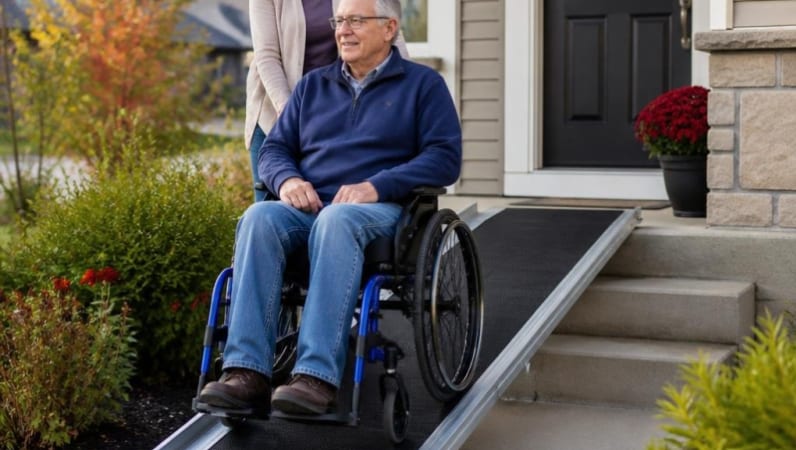
Homes in Kanata are a mix of townhouses, split-level entrances, porch steps, and garage thresholds, which is exactly why temporary accessibility solutions matter so much here. If you are renting an 8’ Portable Aluminum Wheelchair Ramp in Kanata, you are probably trying to make a home more comfortable for a short visit, a recovery period, or a family event without making permanent changes. That is where a foldable, used-like-new ramp from the Medical-Accessories category can be especially useful, because it balances convenience with dependable everyday support.
Kanata residents often need practical solutions that work with real-life situations, not just perfect conditions. A guest arriving for a weekend in Beaverbrook, a parent recovering after a procedure near Katimavik, or a family member visiting a townhouse in Bridlewood can all benefit from a portable aluminum ramp that is quick to place and easy to remove. This guide walks through what to look for, how to use the ramp safely, and how to make the most of it in different Kanata homes and weather conditions. It also includes real-world advice that helps renters avoid common mistakes and feel more confident about temporary accessibility. If you want a solution that supports wheelchairs, mobility scooters, walkers, and short-term access needs, a well-chosen ramp can make a major difference in comfort and independence.
Why an 8’ Portable Ramp Fits Many Kanata Homes
An 8-foot ramp is long enough to help with many common step heights found at Kanata entrances, especially where a single step or a modest porch rise creates a barrier. It is often the right middle ground for renters who do not need a permanent installation but still want a stable, practical way to get over a threshold. Because this ramp is foldable and made of aluminum, it is easier to move and store than heavier fixed accessibility equipment. That makes it a strong fit for temporary needs, whether you are hosting relatives or preparing a home for recovery after surgery. In a neighborhood like Morgan’s Grant or near Kanata Centrum, where homes and entryways vary a lot, flexibility matters. A portable ramp can be placed when needed and removed when the visit is over. For many families, that is the simplest way to keep an entrance welcoming without renovating. The key is matching the ramp to the real space, not guessing.
The biggest advantage of this rental is its usefulness in short-term situations. A family may not need a ramp every day, but for a few weeks after an injury or during a mobility challenge, access becomes essential. Renting a ramp instead of buying one can save space and reduce the stress of making a long-term decision. It is also helpful for people who only need support during a specific event, such as a celebration, holiday gathering, or home-based appointment. Because Kanata has many detached homes and townhouses with varying entry heights, the portability of the ramp is a real benefit. Users can test placement and adjust the setup as needed. The non-slip surface and reflective edges add confidence, especially in dim garages or shaded porch areas. When used properly, the ramp becomes less of an accessory and more of a quiet support system.
Another reason this style works well in Kanata is that local weather can change how entrances feel from one week to the next. In fall, wet leaves can gather near steps and porches. In winter, even a small amount of snow or ice can make access difficult for walkers and mobility scooters. A lightweight aluminum ramp gives you more control over access, but it still needs careful positioning and cleaning before each use. The durable aluminum construction is helpful because it resists weather better than many other materials, but that does not replace good setup habits. For example, the ramp should always rest on a stable, level landing with both lips fully supported. That small detail can make a big difference in how secure it feels. In practical terms, the right ramp is one that helps the user move confidently without creating extra work for the helper.
Kanata residents often appreciate equipment that feels straightforward rather than technical. This ramp comes with safety gloves and a user manual with basic placement guidance, which is useful when different family members may be helping with setup. A parent, adult child, or caregiver can all follow the same basic steps without needing a special installation crew. That ease of use matters when an appointment is coming up or when guests are already on their way. The foldable design also means the ramp can be transported between locations if needed, which is useful for people splitting time between homes in the Ottawa west area. It is a very practical choice for a Medical-Accessories rental because it solves a specific mobility problem without adding clutter. For many renters, that convenience is exactly what they need.
It is also worth noting that the used-like-new condition can still feel reassuring when the item has been properly maintained. Renters are usually less concerned with whether the ramp is brand new and more concerned with whether it is safe, clean, and functional. That is why checking the surface, rails, and ends before use is always smart. A ramp can look simple, but the details matter when someone is depending on it for daily access. Reflective edging improves visibility in garages, porches, and lower-light corners, which is helpful in many Kanata homes where the front entrance may not be brightly lit. If you are planning a short-term setup, think of the ramp as part of the home environment for those days. It should feel secure, predictable, and easy to understand for both the user and the helper.
One more practical point is that this size can help with everyday living, not just medical visits. It can assist with moving a walker, a package cart, or a scooter through an entrance that would otherwise be awkward. That makes the rental useful for a wider range of households. In busy family homes, a ramp can reduce lifting and reduce the chance of strain for caregivers. It can also help visitors feel more independent, which is often just as important as the physical access itself. For anyone in Kanata considering a temporary accessibility solution, the 8-foot format is a thoughtful balance of usability and convenience. It is long enough to be helpful in many settings while still being manageable for short-term use. That balance is one reason it remains such a popular choice for temporary home access.
How to Set Up the Ramp Safely at Home
Safe setup starts with the landing, not the ramp itself. Before positioning the ramp, confirm that the top and bottom surfaces are stable, level, and free from loose gravel, water, or debris. This is especially important at Kanata homes where driveways, porch steps, and garage entrances may collect snowmelt or leaves. Even a high-quality portable aluminum ramp can feel less secure if it is placed on an uneven or slippery surface. The best setup gives the user a smooth, predictable path from start to finish. That means checking the threshold, the entry height, and the available space before the first use. A careful setup takes only a few minutes and can prevent a lot of frustration later. It also makes the helper feel more confident about supporting the user.
When you are renting a 8’ Portable Aluminum Wheelchair Ramp in Kanata, the angle of the ramp is one of the most important details to get right. If the rise is too steep, the experience becomes harder for the user and more demanding for the helper. A gentler angle usually feels better and may be easier for wheelchairs, scooters, and walkers. That is why it helps to test the ramp before the main event or appointment, rather than waiting until everyone is in a hurry. If the entrance has a higher step than expected, you may need to reconsider placement or ask for another access point. In many homes, the garage entrance or a side doorway may work better than the front step. The goal is not just to place the ramp, but to create a comfortable route. Comfort and safety go hand in hand here.
The included safety gloves are a small detail that can make handling easier, especially if the ramp is being moved by one or two people. Aluminum is lightweight compared with many alternatives, but it still benefits from careful handling, particularly when folding or unfolding. Having gloves on hand can improve grip and reduce awkward slipping when the ramp is being carried across a porch or driveway. It is also wise to have one person guide the position while another checks alignment. This is particularly useful in narrow Kanata entryways where space is tight. The user manual can help with the basics, but local conditions still matter. If the ramp is being used outdoors, keep an eye on wind, wet surfaces, and any nearby slope. Small corrections at the start usually make the whole experience smoother.
Another helpful habit is to walk through the route before the user travels it. A caregiver can test the ramp without a wheelchair first, checking for wobble, overlap, or surface changes near the entry. This practice is especially helpful for homes with a slight curb cut, a garage lip, or a front stoop. In many Kanata neighborhoods, entrances were not originally designed with accessibility in mind, so a little planning pays off. The black textured surface helps with grip, but it still works best when the area is cleared and dry. If there is any standing water or soft snow, it is worth pausing until conditions improve. A quick safety check is not overcautious; it is simply good practice. It gives everyone more confidence during the actual transfer or walk.
Families often find that the most successful setups are the simplest ones. That means choosing the least complicated entrance route, reducing clutter near the doorway, and making sure doors can open fully without bumping into the ramp. If you have a screen door or storm door, check that it will not interfere with movement. In some cases, the helper may need to hold a door open while the user proceeds slowly. Clear communication matters too. A calm “go ahead” or “pause here” can make the user feel more supported. For people with limited upper-body strength or balance concerns, steady pacing is better than rushing. This is one reason portable accessibility equipment is so useful in temporary living arrangements and family visits. It turns a stressful entrance into something manageable.
It is also smart to think about who will use the ramp before deciding on the exact setup. Wheelchairs, mobility scooters, walkers, and even family members assisting with equipment all create slightly different needs. If the user is going to navigate independently, the route should be particularly clear and predictable. If a helper is involved, make sure there is enough room for both people to move safely. In homes around Kanata Lakes or Glencairn, where entryways may be compact, these details matter even more. A ramp is not just a piece of equipment; it is part of the access plan. The more thoughtfully it is placed, the more useful it becomes. Taking a few extra minutes at setup can prevent unnecessary strain and help the user feel at ease right away.
Finally, remember that good setup includes a quick re-check before each use. Conditions can change from morning to evening, especially in spring rain or during a winter thaw. A ramp that was fine earlier may need attention later if moisture, debris, or shifting ground changes the surface. This is a simple habit, but it is one of the most important. Look at the ends, the alignment, and the surface before rolling or stepping onto it. When in doubt, stop and fix the issue before proceeding. That small pause is often what keeps a temporary accessibility solution working smoothly throughout the rental period. For Kanata homes, where weather and entry conditions can change quickly, this kind of vigilance is well worth it.
Seasonal Advice for Kanata Weather and Conditions
Kanata weather can affect how any ramp performs, and that is especially true during the colder months. Winter brings snow, ice, slush, and temperature swings that can change a driveway or porch overnight. Even when the ramp itself is in good shape, the surrounding area may need attention before each use. That is why the note about not using it on icy surfaces without extra traction precautions is so important. A portable aluminum ramp is helpful, but it is not a replacement for safe winter clearing. If you expect regular use during winter, plan for extra time to check the path and make sure the landing is dry enough. This can reduce stress for both the user and the helper. In a city with true winter weather, those small routines make a big difference.
Spring in Kanata often means melting snow followed by puddles, damp steps, and muddy edges around walkways. These conditions can create subtle slipping hazards that are easy to overlook. The non-slip surface on the ramp helps improve traction in normal outdoor conditions, but moisture around the entrance can still affect safety. A towel, mat, or quick clean-up before use can make the route feel much more secure. Spring is also a common time for recovery at home, when people want fresh air and easier access for appointments. During this season, the reflective edges on the ramp can be especially useful when daylight is still changing and shaded areas remain dark. If the ramp is near a garage or side entrance, keep an eye on standing water. Even a small amount can change how comfortable the route feels.
Summer use often looks easier, but heat and outdoor activity create their own considerations. Family gatherings, backyard events, and holiday visits are common reasons people in Kanata look for temporary accessibility support. During these occasions, the ramp may be used more often than expected, so it is important to keep the path clear of toys, patio items, or loose items near the entrance. If the ramp is placed in direct sunlight, the aluminum can warm up, which is usually manageable but still worth noting for comfort. Summer is also a good time to think about traffic flow. Guests may be carrying food, gifts, or folding chairs, so access should not be blocked by extra items. A simple route keeps the entrance welcoming for everyone. In busy homes, the ramp can quietly reduce the stress of moving in and out during long gatherings.
Fall brings wet leaves, shorter daylight hours, and cooler evenings, which makes visibility more important. The reflective striping on the ramp can help in garages, porches, and dim entryways, especially after sunset. In neighborhoods with mature trees, leaf buildup can create slippery spots that should be cleared before the ramp is used. Fall is also a season when people often host indoor visits, Thanksgiving gatherings, or small events at home, so temporary accessibility becomes very practical. Because temperatures can shift quickly, a surface that feels dry in the afternoon may feel damp later in the day. Checking the landing before use is worthwhile every time. If the ramp is set up for an extended period, it should still be reviewed regularly. Seasonal changes can be subtle, but they affect safety all the same.
There is also a human factor to think about in all seasons: visitors may be unfamiliar with the setup. A grandchild, neighbor, or caregiver might not know exactly how the ramp is positioned or where to pause. That is why clarity matters, especially when the ramp is being used at a home with changing conditions. If the entrance route is simple and well lit, it is much easier for guests to use it with confidence. One small expert note from the rental world is to treat the first few uses as a test period. Watch how the user feels, how the ramp sits, and whether any part of the route needs adjustment. This feedback is valuable and often easy to overlook. With temporary accessibility, the best setup is usually the one that gets refined a little after the first day.
Local events can also influence how and when the ramp is used. In Kanata, community events, sports gatherings, school visits, and family get-togethers can all create short bursts of accessibility need. During those times, the ramp becomes a practical tool for making sure someone is not left out because of a step or threshold. If the home is hosting several visitors, place the ramp where traffic is least likely to interfere with it. Think through parking, doorway width, and foot traffic before the first guest arrives. This kind of planning is not complicated, but it helps the whole day run more smoothly. Temporary accessibility should feel natural, not disruptive. That is what makes a good rental solution so valuable in real life.
Finally, remember that weather awareness is part of everyday maintenance, not just emergency planning. A used-like-new ramp in good condition still needs a check before and after use, especially if conditions have changed. Clear off debris, snow, or water, and store the ramp dry when possible. If the ramp is needed again the next day, it will be easier to trust and quicker to position. These habits are simple but very effective. They help extend the usefulness of the rental and protect the person using it. For Kanata households, seasonal awareness is one of the easiest ways to make a portable ramp work well for the entire rental period.
Making the Ramp Work for Different Users and Home Layouts
One of the strengths of this rental is that it can support a range of users, from wheelchair users to people using mobility scooters or walkers. That versatility makes it especially useful in family homes where the need may not be identical every day. A visitor might only need the ramp for a few hours, while someone recovering from an injury may need it for a longer stretch. The ramp’s 800 lb load capacity, when placed correctly, adds peace of mind for households that want a sturdy temporary solution. Still, capacity is only one part of the equation. The route itself should be easy to navigate, with enough room at the top and bottom for turning or pausing if needed. Homes in Kanata vary widely, so it is worth looking at the actual entrance rather than assuming every doorway will feel the same. A thoughtful setup makes the ramp far more effective.
Different home layouts can change how the ramp is best used. A townhouse with a narrow front stoop may require a different approach than a detached home with a wider porch or garage access. In some cases, the side door is the smoothest route, especially if it avoids a steep or awkward front step. If the doorway is close to parked vehicles, trash bins, or landscaping, clear the area before setting the ramp in place. Simple adjustments can create a much better experience. The foldable design is helpful here because it allows the ramp to be positioned without permanent changes to the home. That makes it practical for visits, recovery periods, or seasonal use. You do not have to redesign the house to create better access.
It is also useful to think about caregiver comfort. Helpers often focus on the person using the ramp, but they need a stable, manageable setup too. If the route requires awkward lifting or twisting, the helper may tire quickly or feel less confident. A portable aluminum design reduces unnecessary strain compared with heavier equipment. The included gloves can help during setup, but the bigger advantage is the ramp’s lighter, easier handling. If multiple family members are helping, make sure everyone uses the same placement approach. Consistency reduces confusion, especially during busy visits. In many Kanata households, access is shared work, and good equipment makes that job simpler. A well-positioned ramp can lower stress for everyone involved.
Families sometimes underestimate how much confidence a user gains from a predictable entrance. A ramp that feels stable and easy to see can reduce hesitation, which matters more than people realize. If someone is recovering from a procedure or adjusting to new mobility aids, they may already be managing a lot of uncertainty. A smooth path into the home can make daily routines feel less overwhelming. This is one reason temporary accessibility equipment has such practical value. It supports independence in a quiet, respectful way. The user can move at their own pace without feeling singled out. That emotional benefit is just as important as the physical one, especially during recovery or a long family visit.
Real-life scenarios in Kanata often involve a combination of access needs. For example, a parent might use the ramp during the day, while a grandparent uses it later for a dinner visit. Or a guest might arrive with a walker and leave using a mobility scooter. The ramp should be part of a flexible plan that can handle these shifts without needing a complicated reset. That is where a simple, durable design stands out. The black textured surface, side rails, and reflective striping all work together to make the ramp easy to understand at a glance. When a temporary solution is used by different people, clarity becomes a major benefit. No one wants to guess where to step or roll. Clear design reduces hesitation and helps the whole visit feel smoother.
Another smart approach is to keep the area around the ramp uncluttered throughout the rental period. Bags, shoes, garden tools, and outdoor furniture can all create avoidable obstacles. Even if the ramp itself is set correctly, a cluttered route can make it harder to use. In homes with children or pets, this is even more important because movement can be unpredictable. A good habit is to treat the ramp route like a clear path that stays reserved for access only. That makes daily use easier and reduces the chance of accidental bumps or trips. It also gives the user a more dignified experience, which families often appreciate. The smoother the route, the less attention the equipment needs to draw.
When a ramp is used successfully, it tends to disappear into the background of the day. That is usually the best sign. The user gets where they need to go, the helper feels calm, and the home feels more accessible without major disruption. For residents in Kanata, that kind of practical support can make a short stay, appointment, or recovery period much easier to manage. The ramp is not there to change the home permanently. It is there to bridge a gap at exactly the right time. That purpose is simple, but it can have an outsized impact on comfort and independence. In many homes, that is more than enough reason to choose a portable rental solution.
What to Check Before, During, and After Each Use
Before each use, take a moment to inspect the ramp surface, the ends, and the surrounding area. Look for water, debris, loose gravel, or anything that could interfere with traction. This is especially important in Kanata, where weather and seasonal debris can change quickly. The black textured surface is designed to help with grip, but it still works best when the route is clean and dry. Check that the ramp lips are fully supported and that the placement has not shifted since the last use. A small movement can change the feel of the whole setup. It is also wise to confirm that the angle still feels comfortable for the user. These checks take only a short time but can prevent a lot of trouble. Good habits make temporary accessibility safer and less stressful.
During use, keep communication calm and simple. Let the user know when the ramp is ready, when to proceed, and when to pause if needed. This helps reduce anxiety and allows everyone to move at a comfortable pace. If a wheelchair, scooter, or walker is being guided up or down the ramp, the helper should stay attentive without rushing. The reflective edges are especially useful in lower-light conditions, but they do not replace good awareness and steady pacing. In homes with narrow porches or garage entrances, the helper may need to watch for corners, door swings, or nearby objects. A quiet, organized approach usually works best. If the ramp is used by more than one person during the day, reset the path between uses so it stays clear. Small pauses between users can improve overall safety.
After each use, a quick cleanup helps preserve the quality of the rental and keeps the ramp ready for next time. Brush away dirt, wipe off moisture, and check whether any snow, slush, or mud has collected near the edges. If the ramp was used outdoors in changing weather, a little extra attention is worthwhile. Aluminum is durable and weather-resistant, but it still benefits from being returned clean and dry when possible. This is one reason portable equipment is so convenient: it can be maintained without special tools or complicated storage. The better the care during the rental, the easier it is to trust the equipment on the next use. For many families, this simple routine becomes part of the day and barely takes any time at all.
Storage matters too, especially in homes where space is limited. A foldable ramp can be easier to tuck away than larger accessibility equipment, which is helpful in Kanata townhouses, condos, and busy family homes. If the ramp will be used again soon, store it in a dry, accessible place where it can be reached without lifting through clutter. Avoid leaving it where it may collect ice, moisture, or accidental impact from vehicles and foot traffic. The goal is to keep the ramp in good condition and easy to deploy. Good storage also makes setup faster the next time it is needed. People often appreciate how little disruption a foldable design creates. That convenience can be just as valuable as the ramp’s physical support.
It can also help to keep a small routine note during the rental period. For example, if the ramp feels best on a side entrance rather than the front step, remember that for the next visit. If one helper finds a better way to position it, write that down or mention it to the rest of the family. Temporary accessibility works best when people share what they learn. These observations are especially useful for families who may need the same setup again later. In that sense, renting is not only about one event; it can also teach you what works in your home. That practical knowledge can reduce uncertainty the next time a mobility need comes up. A little recordkeeping may seem minor, but it can save time and stress in the future.
Finally, treat the ramp as part of a larger accessibility picture. If the doorway is narrow, think about door stops. If the porch is dim, add more light. If the ground is uneven, look for the most stable spot available. The ramp is one important tool, but it works best when the whole entrance is considered. This is the kind of practical thinking that helps renters get real value from a medical-accessory rental. A well-maintained, used-like-new portable ramp can solve a short-term barrier very effectively when the surrounding details are handled with care. For families in Kanata, that kind of preparedness can turn a difficult entrance into an ordinary part of daily life. That is a meaningful improvement, even if it only lasts for a short period.
Expert note: if the ramp is being used for recovery, consider the user’s energy level at different times of day. Some people feel stronger in the morning and more fatigued later, which can affect how they approach a ramp. Planning around that rhythm can make the experience easier and safer. It is a small detail, but these are the kinds of details that make temporary accessibility feel truly supportive. When the setup respects the user’s pace, the whole process becomes calmer and more dignified. That is often what families remember most after the rental period ends.
About The Author
