
Should You Rent a Portable Ramp for Post-Surgery Recovery?
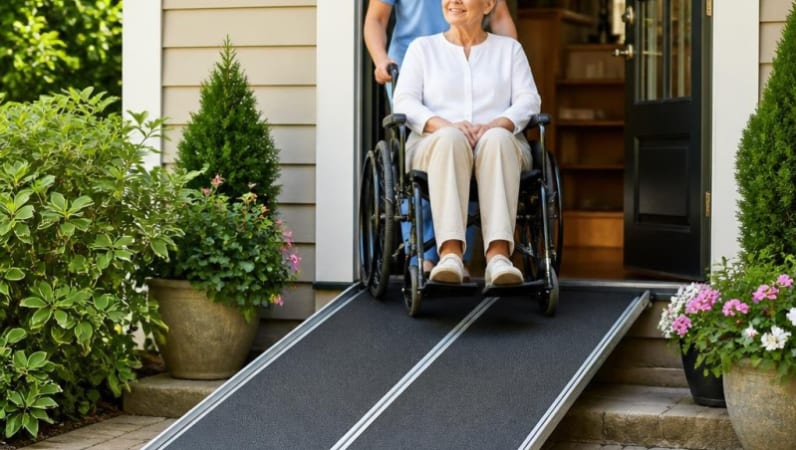
Coming home after surgery should feel like a step toward comfort, not a fresh obstacle course. In Kanata, many homes, townhouses, and community spaces have small entry rises, a few front steps, or a threshold that suddenly feels much bigger when you are using a walker, wheelchair, or mobility scooter. That is exactly where renting a Portable Non-Skid Wheelchair Entry Ramp can make a real difference. For short-term recovery, it offers a practical way to handle entry access without making permanent changes to the property.
If you are wondering whether renting a Portable Non-Skid Wheelchair Entry Ramp in Kanata is the right move, the answer often depends on how long you will need support, what type of entrance you are dealing with, and how much flexibility you want during recovery. This used-like-new medical-accessories rental is designed for temporary access over low rises, making it especially useful after procedures that limit strength, balance, or stair use. It is lightweight, portable, and adjustable from 3 to 5 feet, which helps it adapt to many entry points common in local homes and clinics. The best part is that it can be set up without permanent installation, which is ideal when your needs may change from one week to the next. For many families, that convenience alone removes a lot of stress from the recovery period.
Why a Portable Ramp Makes Sense After Surgery
Post-surgery recovery often comes with more limitations than people expect. Even a simple trip from the car to the front door can feel difficult when you are managing pain, limited weight-bearing, fatigue, or the need to keep your body steady. A portable ramp bridges that gap by creating a smoother path over low rises, curbs, and small steps. It is especially helpful when the goal is to keep daily routines moving with fewer interruptions. For many households, that means less lifting, less awkward maneuvering, and fewer moments of worry at the doorway.
One of the biggest benefits is that a ramp is temporary and adaptable. You do not need to commit to a permanent structure if your recovery is only expected to last a few weeks or months. That matters for people who are healing after orthopedic procedures, abdominal surgery, joint replacement, or any operation that makes climbing steps harder than usual. A rental solution also makes sense if you are helping a parent, spouse, or visiting relative who needs short-term access. In a place like Kanata, where home entrances can vary widely from newer builds to older townhomes, a portable setup is often more practical than a one-size-fits-all approach. It gives you room to adjust without changing the property itself.
The non-skid surface is another reason this item is a smart recovery aid. When someone is healing, traction matters just as much as slope. A rolling surface with better grip can help reduce slipping concerns, especially when shoes, walker tips, or mobility scooter wheels need to stay stable. This is particularly useful in Canadian weather, when wet conditions, slush, or snow can make entrances slippery even when the ramp itself is functioning properly. The ramp's durable surface helps support safer everyday use, but it still works best when kept clean and dry. That simple combination of thoughtful design and careful setup can turn an intimidating doorway into something much more manageable.
The paired track layout is also helpful for many mobility devices. Instead of relying on a broad single surface, the two-track design supports the wheels where they actually roll. That can be a good fit for wheelchairs and mobility scooters, and in some cases walkers that need a more controlled approach. Before pickup, it is important to confirm the wheel spacing of the device being used so the tracks align correctly. This is one of those details that can make the difference between a ramp that feels custom-tailored and one that causes unnecessary adjustments. Planning ahead keeps the recovery process smoother and helps the user feel more confident moving in and out.
There is also a psychological benefit that families often mention after the fact. When the entrance feels accessible, the whole home feels calmer. People are less anxious about leaving for follow-up appointments or returning from a pharmacy run. Caregivers do not have to improvise every time someone comes and goes. Recovery already asks a lot from everyone involved, so any tool that simplifies access can make the entire environment feel more supportive. That human side of accessibility is easy to overlook until you experience it yourself.
In short, a portable ramp is not just about convenience. It is about keeping recovery realistic and safer in the day-to-day moments that matter most. If your entrance has a low rise and your mobility needs are temporary, the ramp can be a surprisingly effective part of the plan. And because it is a used-like-new rental in the Medical-Accessories category, it gives you access to a reliable option without committing to a permanent installation. For many households in Kanata, that is exactly the kind of flexibility recovery calls for.
When Renting Works Better Than Building or Buying
Not every recovery situation justifies buying a permanent ramp. If the need is short-term, renting usually makes more sense because it matches the duration of your actual use. A portable ramp can be helpful after outpatient surgery, a hospital discharge, or during a healing period when stairs are temporarily off-limits. It is also a practical option for family members visiting from out of town who may need accessibility support for a few days or weeks. When the need is temporary, flexibility matters more than long-term ownership.
Another reason people choose to rent is that homes in Kanata are not all designed the same way. Some entrances have small concrete rises, some have a single front step, and some have a tight landing area that makes permanent construction more complicated. A portable entry ramp gives you a way to work with the space you already have. That is especially useful in townhouses, semi-detached homes, and rental properties where permanent modifications may not be possible or desirable. Instead of altering the entry, you adapt the access point for the time you need it.
For recovery planning, short-term rental can also reduce decision fatigue. After surgery, most people are already managing medication schedules, follow-up appointments, wound care, and changes in daily routine. The last thing they need is a complicated project involving permits, measurements for construction, or weeks of lead time. A portable ramp is much easier to coordinate when timing is tight. You can measure the rise, check wheel spacing, and confirm that the surface is stable before pickup. That makes the process more straightforward for both the patient and the caregiver.
There is also an important weather-related factor in Kanata. Winter conditions, early spring melt, and even rainy summer days can make entrances more difficult than they look on a dry afternoon. A permanent ramp may still require upkeep, but a portable ramp lets you respond to immediate needs without waiting for a build-out or renovation. If your recovery period happens during a snowy season, it becomes even more important to clear snow, salt, grit, and standing water before use. Renting gives you access to a tool that can be used right away, while still allowing you to control the setup carefully.
Some people assume renting is only for emergencies, but that is not the full picture. It can also be the smartest choice for planned recovery. For example, if you know you will need help getting into the house after a knee procedure, you can arrange the ramp in advance and avoid last-minute scrambling. That kind of preparation often leads to a smoother first day home. Families often tell us that reducing the stress around arrival makes the entire recovery feel more organized. A good ramp setup can quietly support that sense of control.
The final reason rental works well is that it helps you avoid storing equipment you may never need again. Once recovery is complete, many households do not have a place for a bulky mobility item. Renting lets you use what you need, when you need it, and then move on without creating long-term clutter. For temporary situations, that is hard to beat. It is a clean, practical solution that respects both the home and the healing process.
How to Choose the Right Ramp for Your Entry
Before booking, the most important step is to measure the rise at your entrance. This tells you whether the ramp length will create a safe and manageable incline. The portable ramp set is adjustable from 3 to 5 feet, so it is meant for low rises rather than steep staircases. That makes it suitable for many thresholds, curbs, sheds, garages, and entryways, but not for every situation. Taking the measurement early helps avoid guesswork and ensures the ramp will perform the way you expect.
Wheel spacing is the second key measurement. Because this is a two-track setup, the ramps need to line up with the wheelbase of the wheelchair or scooter being used. This detail is easy to overlook, but it is essential for stable rolling. If the tracks are too narrow or too wide for the equipment, the setup can become frustrating or unsafe. Measuring before pickup also gives you time to ask questions if something is unclear. A few minutes of preparation can save a lot of trouble later.
It is also worth checking the surface where the ramp will rest. The ramp works best on a stable, flat area with firm contact at the top and bottom. If the landing is uneven, soft, or cluttered, the setup should be reconsidered. The non-skid surface helps with traction, but it does not replace proper placement. Think of the ramp as part of a system that includes the doorway, the landing, and the surrounding path. When all those pieces are clean and level, the ramp is far more effective.
For post-surgery recovery, users often need to think beyond the doorway itself. How will the person get from the vehicle to the entrance? Is there room to maneuver at the top and bottom? Is there enough space for a caregiver to assist if needed? These questions matter just as much as the ramp length. In many Kanata neighborhoods, driveways and walkways can be tight, especially when snowbanks are present or patio furniture has not yet been moved. A little planning around the route can make the whole experience safer and more comfortable.
A helpful expert note is to do a dry run when possible. Even before the ramp is used in a real outing, test the alignment with the mobility device in a controlled way. That allows you to see whether the angle feels manageable and whether the user feels confident on the surface. If a caregiver is involved, this is a good time to discuss communication cues, pacing, and whether a spotter should be present. A ramp is a support tool, but the way it is used matters just as much as the item itself.
Users should also pay attention to weather and debris. Clear away loose gravel, wet leaves, ice, salt buildup, or melted snow before rolling onto the ramp. These small issues can affect traction more than many people realize. If the ramp is being used indoors, keep the entry area free of rugs or clutter that could shift underfoot. The goal is to make the transition from outside to inside as smooth as possible. When the setup is thoughtful, the ramp becomes an almost invisible part of the routine.
Practical Ways Kanata Families Use This Ramp
One of the most common uses is helping someone come home after surgery and avoid the stress of entry steps. That might be a hip replacement patient returning for the first time, a parent recovering from a procedure, or a grandparent coming to stay with family in Kanata for a few weeks. In these moments, the ramp becomes more than a piece of equipment. It becomes the thing that makes the home feel welcoming instead of restrictive. That emotional value is easy to underestimate until the first successful entry.
Another common scenario involves short visits and family events. Kanata has plenty of reasons for households to host visitors, from holiday gatherings to birthday meals and seasonal get-togethers. If a guest uses a wheelchair, walker, or scooter, even one front step can become a barrier. Renting a Portable Non-Skid Wheelchair Entry Ramp in Kanata allows the host to solve the problem without changing the house permanently. That is especially useful when the need is temporary and the event itself is the main reason for access support.
Clinics, community rooms, and small organizations also benefit from temporary entry access. A portable ramp can help when a room is being used for a short-term meeting, health appointment, support group, or private care visit. Because the setup is lightweight and portable, it can adapt to different locations without permanent installation. For many local spaces, that versatility is important. Accessibility needs can change from one event to the next, and a flexible ramp keeps the space usable.
Outdoor seasonal use is another strong fit. In spring and fall, Kanata can bring wet pavement, slushy mornings, and slippery thresholds. The ramp's non-skid rolling surface helps, but it should still be paired with good housekeeping around the entry. That means clearing leaves in autumn, salt in winter, and water in the shoulder seasons. A ramp is most effective when it is part of a broader safety habit. Families who build that habit tend to have fewer surprises.
There is also a role for this ramp in move-ins and temporary transitions. If someone is recovering while moving into a home, staying in a short-term rental, or managing a home renovation, the ramp can help bridge the gap until the full setup is complete. That is particularly useful for people who are already under physical stress. Instead of asking the body to compensate for a difficult entrance, the ramp does the work of smoothing the transition. It is a simple adjustment that can have an outsized impact on daily comfort.
A quick real-world example: a Kanata family preparing for a parent coming home after knee surgery may realize the front stoop is just too awkward for repeated trips. Rather than lifting a walker or asking the person to navigate a risky step, they rent a portable ramp for the recovery period. The difference is immediate. The patient feels more independent, the caregiver feels less strain, and the home becomes easier to use from day one. Small accessibility choices like that can shape the tone of recovery in a very positive way.
In all of these situations, the same principle applies: the ramp is not for show, it is for function. It works best when the user, caregiver, and space are all considered together. That is why local renters often appreciate a straightforward setup with basic guidance at pickup. It turns a potentially complicated access issue into something manageable and predictable. For short-term needs, that predictability is often exactly what recovery calls for.
Set-Up, Safety, and Maintenance Tips That Matter
Setting up a portable ramp properly is just as important as choosing the right one. Start by placing both tracks evenly and making sure they have firm contact at the top and bottom. If the tracks are not aligned well, the user may feel uncertain or the wheels may not travel smoothly. It helps to pause and check the angle before the first use rather than adjusting it mid-roll. That small bit of caution can make the ramp feel much more stable.
Before each use, inspect the ramp surface and the surrounding entry area. Look for moisture, ice, dirt, grit, or small objects that could affect traction. In Kanata, where weather can change quickly, this step becomes especially important in winter and during freeze-thaw periods. The ramp has a non-skid rolling surface, but traction still depends on a clean path. If the entrance is exposed to weather, it may be worth building a habit of checking it every time the ramp is used. Good habits are often what keep temporary accessibility solutions working well.
Caregivers should also think about the user’s comfort level. Some people feel confident rolling up a ramp immediately, while others need a little time to adjust. A spotter can help if balance, strength, or confidence is limited. That does not mean hovering over the user; it simply means being ready to assist if needed. Clear communication matters too. Simple cues like "ready," "hold," or "slow" can reduce anxiety and improve coordination. Recovery is rarely just about the equipment, and this is one of those moments when teamwork matters.
The ramp should always be used only on stable, flat surfaces and only for situations it was designed to handle. It is not intended for steep stairs or unsafe heights. That limitation is worth respecting because it protects both the user and the equipment. If the entry looks too steep, a different solution may be more appropriate. Safety is never about forcing a fit; it is about matching the tool to the task. Taking that approach keeps the ramp helpful rather than risky.
Maintenance is relatively simple, which is one reason this item works so well as a short-term rental. Keep the ramp clean, dry when possible, and stored in a place where it will not collect debris between uses. If it is being used outdoors, make a quick habit of brushing off leaves, salt, or slush. Because this is a used-like-new item, it is already intended to be reliable and ready for repeat use. The better it is cared for during the rental period, the more consistently it will perform. That benefits everyone involved.
Another useful tip is to think about timing. If the ramp is needed for daily medical appointments or multiple outings, set it up in a place where it can remain stable and ready to use. If it will be moved occasionally between access points, double-check the setup every time. Portable equipment is only truly convenient when the user can trust the arrangement. By combining simple maintenance with careful placement, you help the ramp do its job quietly in the background. That is often the best kind of accessibility support.
For many people recovering from surgery, the right support at the doorway can make the entire home feel more usable. Renting a Portable Non-Skid Wheelchair Entry Ramp in Kanata is often a smart choice when the need is temporary, the entrance has a low rise, and safety or convenience matters more than a permanent installation. Because this ramp is lightweight, adjustable from 3 to 5 feet, and designed with a non-skid surface, it offers a practical way to support wheelchairs, scooters, walkers, and other mobility aids during a recovery period.
If your home, clinic, or event space has a threshold, curb, or small set of steps that is getting in the way of recovery, a short-term ramp can remove a surprising amount of stress. The key is to measure carefully, check wheel spacing, and set it up on a stable surface with good traction. In a place like Kanata, where weather and home layouts can both affect access, that kind of preparation is especially valuable. A well-chosen ramp does not just improve entry, it helps recovery feel more manageable, more dignified, and more independent.
About The Author
