
Electric Plate Compactor Rental Guide for Driveway Repairs in Nepean
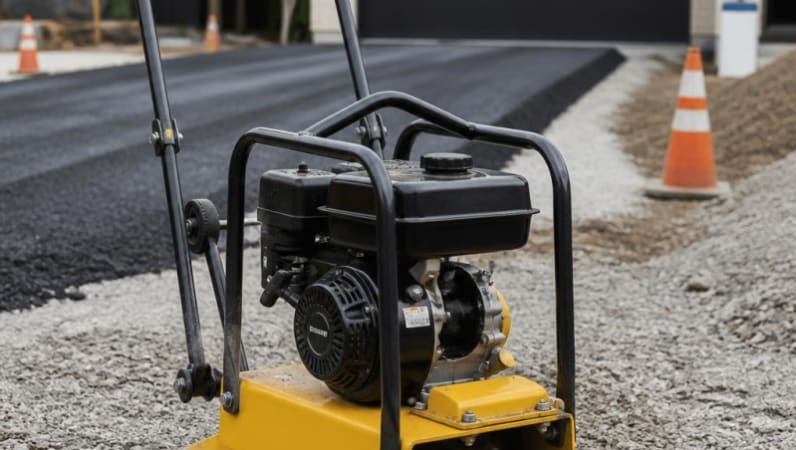
If you are planning a driveway repair in Nepean, the part that matters most is often the part nobody sees: the base. A smooth top layer of gravel or pavers will only stay looking right if the material underneath has been compacted properly. That is where renting a VEVOR Electric Plate Compactor 5kN Soil Tamper in Nepean can make a real difference for homeowners, landscapers, and DIYers who want a cleaner, more stable result without dealing with gas, smoke, or refuelling.
Nepean homeowners know how quickly seasonal weather can expose weak spots in a driveway, especially after freeze-thaw cycles, spring rain, or heavy summer use. A patch that looked fine in October can turn soft, wash out at the edges, or settle unevenly by the time the snow melts. This is why a compacting tool is not just a nice extra, but a practical part of repair work for gravel driveways, interlock touch-ups, patio bases, and small walkway jobs. The VEVOR electric plate compactor is especially convenient because it is a used like new unit in the Equipment-Tools category, it runs plug-in style with a built-in 33 ft cord, and its 62 lb design is manageable for residential work. For many projects around Nepean, that combination of portability and strong vibration is exactly what makes the job easier to finish well.
Why a Solid Base Matters for Driveway Repairs in Nepean
Most driveway repairs fail for the same basic reason: the surface was repaired without enough attention to compaction underneath. If gravel is loose, pavers are sitting on uneven bedding, or the soil below has pockets of air, the repaired area may shift again within a few weeks or months. That is especially common in Nepean, where winter frost and spring moisture can disturb compacted surfaces over time. A plate compactor helps reduce that movement by pressing the material into a denser, more stable layer. The result is a base that supports the top surface instead of letting it sink or spread.
For homeowners, this matters on more than just large driveways. Even a small patch repair near the garage, a side yard access route, or the edge of an interlock driveway can benefit from proper compaction. The VEVOR Electric Plate Compactor 5kN Soil Tamper gives enough force for residential granular materials while staying much easier to manage than many heavier gas machines. That makes it a good fit for jobs where maneuverability matters as much as power. If you are working alone or with one helper, the reduced weight can make positioning the tool less tiring. It is still important to work carefully, but the machine is designed to be approachable for non-commercial users.
One of the biggest advantages of renting instead of buying is that you can use the right tool when you need it, then return it when the driveway repair is done. That is especially helpful in the Equipment-Tools category, where storing bulky gear year-round is not always practical. A compact, electric model like this one is also a smart choice for residential areas where fumes, noise, and refuelling can be less convenient. Nepean neighborhoods often have smaller side yards, tighter access points, and mixed driveway surfaces, so a tool with a long power cord and solid plate coverage can save time in setup. For patch repairs, walkway prep, and base stabilization, that flexibility is a real advantage.
The key is understanding that compaction is not just about making the ground feel hard. It is about creating even density across the whole area. A driveway that is compacted in one spot but not the next can still dip later. That is why overlap, layer thickness, and moisture control are so important. With a machine that offers 5 kN compaction force and 3450 VPM vibration, you can work in passes that settle the material more uniformly. The machine’s 3.9 in compaction depth is well suited to loose soil and granular layers commonly used in small repair work. Used properly, it can help your repair last longer and look more finished.
Another practical reason this matters in Nepean is weather timing. Many residents try to tackle driveway projects in spring or early fall, when the ground is workable and temperatures are more comfortable. During those seasons, the soil may already hold some moisture, which can help compaction if it is not overdone. In hot summer periods, dusty gravel may need a light misting to compact properly. In cooler shoulder seasons, you may need to monitor the surface more closely so you do not work with material that is too dry or too wet. The right compactor helps, but the base prep is what truly determines success.
If you are repairing a driveway after potholes, edge breakdown, or settling around a garage apron, think of compaction as a reset button for the base. It is one of the simplest ways to improve the durability of the repair without changing the entire driveway. For many Nepean homeowners, that balance between effort and result is what makes renting a VEVOR electric plate compactor such a sensible choice.
How to Prepare the Site Before You Compact
Good results start before the plate compactor ever touches the ground. First, remove loose debris, broken asphalt, weeds, or soft organic material from the repair area. If you compact over weak material, you are simply locking in the problem underneath. For gravel or interlock repairs, make sure the base layer is spread evenly before you begin. A level starting point makes the compaction process much more predictable. This is true whether you are fixing a driveway strip, preparing a patio edge, or building a small shed pad behind the house.
Next, pay attention to layer thickness. A common mistake is putting down too much material at once and expecting the machine to solve it in one pass. For best results, compact in thin layers and make several passes. That method gives the vibration a chance to work through the full depth of the material rather than only flattening the surface. If the area is especially loose, it may be worth compacting one layer, then adding the next. This is slower, but it usually leads to a more durable repair. For driveway patches in Nepean, patience here often pays off more than brute force.
Moisture is another detail that makes a major difference. Dusty gravel can resist compaction if it is completely dry, while overly wet material can become soft or unstable. A light dampening can improve how the aggregate locks together. The goal is not to soak the area, but to give the particles enough moisture to settle better under vibration. If you are working on a warm day in Nepean after a stretch of dry weather, you may notice the material compacting more evenly after a small spray with water. On the other hand, if rain has recently passed through and the base feels spongy, it is better to wait until conditions improve.
Before starting, check your work area for obstacles. Extension cords, hose lines, edging stakes, and loose pavers can all interfere with safe operation. Because this electric model comes with a built-in 33 ft power cord, planning your reach is easier, but you still need a properly rated outdoor extension setup if the job requires more distance. It is worth mapping the path from the outlet to the work zone before you begin. Nepean properties with side access or backyard driveway extensions often benefit from this kind of planning because it prevents interruptions once the work is underway. A little preparation can save a lot of frustration later.
It also helps to mark the repair area clearly so you know where passes should overlap. Chalk lines, small stakes, or simple visual boundaries can keep the work tidy. If you are compacting along a driveway edge, try to keep your passes consistent so you do not create ridges or uneven transitions. The compactor’s steel base plate is built for this kind of structured work, but your setup matters just as much as the machine itself. For homeowners in Nepean balancing repair work with a busy weekend, a good setup keeps the project moving smoothly.
If your repair involves pavers, remember that compaction usually happens after the base and bedding layers are in place, not after the stones are fully set unless the installation plan calls for it. For gravel driveways, compaction may happen at multiple stages as material is added. For sand and small aggregate, consistency is the goal. No matter the surface, avoid rushing straight to the top layer without checking the base below. The repair will only be as strong as the preparation underneath.
Finally, wear the right gear before beginning. Work gloves, eye protection, hearing protection, and sturdy footwear are essential. Even with an electric unit, the vibration and moving plate require respect. If you are renting for the first time, take a moment at pickup to review operation and safety guidance. That quick conversation can help you avoid common mistakes and use the tool with more confidence. In practical terms, a well-prepared site makes the compactor feel easier to use and gives you a better end result.
Best Ways to Use the VEVOR Electric Plate Compactor on Residential Projects
The VEVOR Electric Plate Compactor 5kN Soil Tamper is especially well suited to residential projects where precision and convenience matter. Its 180 W electric motor means you do not have to mix fuel, deal with exhaust, or pause for refuelling. That makes it a friendly option for homeowners who want to stay focused on the actual repair rather than machine maintenance. Because it is about 62 lb, it is also more manageable than many gas compactors when you need to move it around a driveway or reposition it along a side yard. For smaller jobs in Nepean, that balance is useful.
One strong use case is driveway patching. If you are reworking a sunken section near the garage, compacting fresh gravel before finishing the surface can help the repair blend in with the rest of the driveway. Another common job is walkway preparation, especially for paths that connect front entrances to the street or side doors. Nepean homeowners often deal with uneven ground near landscaped edges, and compacting the base can prevent a walkway from shifting after one wet season. The machine is also a good choice for patio bases, shed pads, and small backyard utility areas where a firm surface is important but the project is not industrial in scale.
There is a simple rhythm that helps with this tool. Start at one edge, make a pass, then overlap slightly on the return pass. Keep your speed steady and let the vibration do the work. If you move too fast, you may not achieve even compaction. If you stop too long in one spot, you may create an uneven low area. The sweet spot is usually a calm, steady walking pace. For many users, the machine feels easiest when they treat it like a careful finishing tool rather than something to force through the material. That approach gives a cleaner and more even surface.
When using the compactor on gravel, watch for visible settling. You may notice the top layer become flatter and more uniform after a pass or two. If the material still feels loose underfoot, it may need another thin layer and another round of compaction. For sand or bedding material, the goal is a dense and level foundation. With small aggregate, try to keep the stones evenly distributed before compaction so the plate can settle them consistently. The steel base plate is built for this kind of work, and the 3450 VPM vibration provides the fast repeated impact needed for residential compaction.
One thing many first-time renters appreciate is that the machine’s electric operation reduces the “mental load” of the project. There is no engine tuning, no fuel storage, and no warm-up routine to think through. You can plug it in, confirm your setup, and get going. That simplicity is especially helpful if your driveway repair is part of a bigger weekend checklist that already includes hauling materials, cleaning up the yard, or moving vehicles out of the way. For homeowners juggling several tasks, fewer machine-related steps can make a project feel much more doable.
At the same time, it is still important to respect the machine’s capabilities. This model is designed for small to mid-size residential work, not for steep slopes, wet mud, or major commercial roadwork. That limitation is actually a strength when you are matching the tool to the job. It is reliable for the kind of driveway and landscaping projects that are common around Nepean, especially in neighborhoods where accessibility and storage are practical concerns. If your job is modest in size but you want professional-style compaction, this is exactly the kind of tool that fits.
A quick human note from the kind of project many local renters recognize: a homeowner in a Nepean cul-de-sac once started a simple driveway edge repair on a Saturday morning and expected it to take all day. After laying the base in thin lifts and using the compactor carefully, the job finished cleaner than expected and with less backtracking than they feared. The real win was not speed alone; it was that the repaired area felt solid immediately and stayed tidy through the rest of the season. That is the kind of quiet success good compaction often delivers.
Seasonal Advice for Nepean Weather and Driveway Repair Timing
Nepean weather plays a bigger role in driveway repairs than many people expect. Winter freeze-thaw cycles can lift and crack surfaces, while spring melt can expose weak spots underneath. If you are planning to rent a VEVOR Electric Plate Compactor 5kN Soil Tamper in Nepean, timing your project around the season can improve the final result. Spring and early summer are especially popular because the ground is workable and repairs can cure in stable conditions. That said, an early fall project can also be a smart choice if you want to address settling before the first hard freeze.
In spring, be cautious about overly wet ground. After snowmelt or extended rain, the soil may still hold too much moisture, which can make compaction less effective. If the material feels soft or greasy, wait for a dryer window. This is especially important around older driveways where the edges may already have weakened over time. Once conditions improve, a compacted repair can help prepare the surface for the summer months when vehicle traffic and foot traffic increase. Spring is also the season when many Nepean homeowners begin outdoor updates, so rental availability and project planning both matter.
Summer brings different considerations. Hotter weather can dry out gravel and dust, which may make the material less cooperative during compaction. In those conditions, a light mist of water can help the aggregate settle better. Keep your surface prep modest and controlled rather than soaking the area. Summer is also a practical time for driveway repairs because long daylight hours give you more room to work at a careful pace. If you are also managing landscaping projects, the same compactor can support patio base work or walkway repairs in the same weekend. That efficiency is one reason residential renters like electric tools that are easy to set up.
Fall is another excellent time for driveway maintenance in Nepean. The weather is usually cooler, which can make physical work more comfortable, and many homeowners want to finish outdoor repairs before winter. It is a good season for patching paver edges, stabilizing gravel driveways, and compacting base layers around sheds or side yards. If you repair a driveway in the fall, you are giving the surface a chance to settle before snow and frost arrive. That extra stability can reduce issues when winter traffic and snow removal begin. It also feels better going into the cold season knowing the base has been refreshed.
Winter is not the ideal time for most compaction work, especially if the ground is frozen, saturated, or covered in snow. If you are dealing with a repair emergency, you may still need to stabilize a small area, but residential compaction is generally more effective in warmer, drier conditions. For most Nepean homeowners, the better approach is to schedule driveway work when the material can actually be shaped and compacted properly. That patience can save you from having to redo the area later. The compactor is a useful tool, but even the best tool cannot overcome bad site conditions.
Local neighborhoods also influence timing in practical ways. If you live in a busier part of Nepean with limited driveway access, you may need to plan around vehicles, garbage collection, or school-day routines. If your home has a tighter side yard or a shared driveway lane, the electric cord and lighter weight can make placement simpler. In areas with more mature landscaping, protecting garden edges and lawn borders may matter just as much as the driveway itself. The right compaction strategy adapts to the space you actually have, not just the material you are placing.
As a rule, aim for dry, stable weather with enough time to finish the job without rushing. A driveway repair that is compacted carefully in good conditions will usually perform better than a rushed repair done on a questionable day. That is one of the most valuable lessons for anyone doing residential landscape and driveway work around Nepean.
Rental, Maintenance, and Safety Tips That Make the Job Easier
Renting a plate compactor is straightforward, but a few practical habits can make the whole experience better. When you pick up the unit, inspect the handle assembly, control area, and base plate so you know the condition of the tool before starting. Since this is a used like new machine in the Equipment-Tools category, it is still wise to do a quick visual check and ask any pickup questions before heading home. If you know where your outlet is, how long your cord reach needs to be, and what material you are compacting, you will be ready to start sooner. That kind of preparation reduces delays once the project begins.
Keep the work area organized while the compactor is in use. Move extra tools, buckets, and debris away from the route you plan to compact. If you are repairing a driveway in Nepean and need to work near a garage or fence line, leave yourself enough room to turn and overlap passes safely. Extension cords should be routed so they do not become a tripping hazard or get caught under the plate. Since the machine uses a 33 ft power cord and may require additional reach, using a properly rated outdoor extension setup is important if the outlet is farther away. Safety and convenience go hand in hand here.
It is also smart to keep the plate clean as you work. Material buildup underneath the base can interfere with performance and make the tool less smooth to guide. If you notice wet soil or aggregate sticking beneath the plate, pause and clear it before continuing. That small habit keeps the compaction more consistent. After the job, wipe down the unit and remove leftover dust or debris so it is ready for the next renter. Simple cleaning helps preserve the tool and reflects the kind of care that makes rental equipment reliable for everyone.
When operating the compactor, stay balanced and keep your stance steady. The vibration can feel more intense than people expect if they are new to this kind of equipment. Wear gloves to improve grip and reduce fatigue, and use hearing protection even on a smaller residential job. Eye protection matters because gravel can shift and small particles may kick up during operation. Sturdy footwear with solid traction is important, especially if the surface is uneven or slightly damp. These steps may sound basic, but they are part of getting a professional-quality result safely.
One of the best maintenance habits is simply using the machine for the right type of project. This unit is not meant for wet mud, steep slopes, or large commercial roadwork, and trying to force it into those situations will only make the job harder. For residential repairs, though, it is a very practical choice. If your project includes a garden path, a paver patio, a shed base, or a driveway patch, the machine’s force and vibration are well matched to the task. That is where the 5 kN compaction force and 3.9 in compaction depth really earn their keep. The tool is designed to help you create a stable foundation without overcomplicating the process.
Rental success often comes down to small decisions. Choosing a dry day, compacting in thin layers, checking cord placement, and keeping passes consistent all add up to a much better finish. For many Nepean residents, the biggest reward is not just a smoother driveway, but the confidence that the repair was done properly. If you have ever watched a freshly patched section settle unevenly after a few rains, you already know why compaction matters. A careful rental project can prevent that frustration and leave you with a result that feels solid from the start.
About The Author
