
Creating a Safe Home for Recovery: Medical Equipment That Can Help
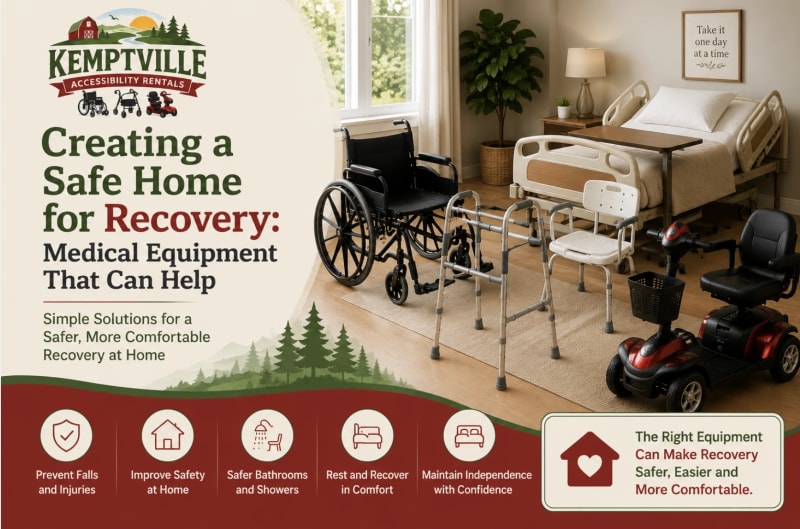
Recovering at home is often more comfortable than staying in the hospital, but it also comes with new challenges. Everyday activities that once felt routine, such as getting out of bed, taking a shower, or walking to the kitchen, may suddenly require additional support. Preparing your home before or immediately after surgery can make recovery safer, reduce the risk of falls, and help you maintain greater independence throughout the healing process.
The goal isn't to completely change your home. Instead, it's about making temporary adjustments that allow you to move safely and comfortably while your body recovers. The right medical equipment can make those adjustments simple and effective.
Start by Identifying Potential Safety Risks
Before bringing medical equipment into your home, take a walk through the spaces you'll use most often during recovery. Look for anything that could make moving around more difficult, including narrow walkways, loose rugs, electrical cords, poor lighting, or furniture that limits mobility. Even a small obstacle can become a fall hazard when you're recovering from surgery or using a mobility aid.
It's also helpful to think about how often you'll need to access different areas of your home throughout the day. If possible, arrange frequently used items so they're within easy reach and minimize unnecessary trips up and down stairs. Creating a clear, accessible environment makes it easier to move confidently while reducing physical strain.
Make Everyday Mobility Easier
Walking safely is one of the biggest challenges during recovery. Whether you're recovering from orthopedic surgery, an injury, or another medical procedure, mobility equipment can provide the support needed to move around your home with greater confidence.
Depending on your needs, equipment such as walkers, wheelchairs, transport chairs, knee scooters, or mobility scooters can help reduce pressure on healing joints while improving balance and stability. Using equipment that's appropriate for your stage of recovery allows you to stay active without placing unnecessary stress on your body, helping you regain independence as your strength returns.
Improve Safety in the Bathroom and Bedroom
Bathrooms and bedrooms are two of the most frequently used spaces in any home, but they're also where many accidents occur during recovery. Slippery surfaces, low seating, and repeated movements such as sitting, standing, or getting into bed can all increase the risk of falls.
Bathroom safety equipment such as shower chairs, raised toilet seats, and commodes can make personal care routines safer and more comfortable. In the bedroom, hospital beds and overbed tables can improve comfort while making it easier to rest, reposition yourself, and complete everyday tasks without unnecessary strain. Small adjustments in these spaces often have the greatest impact on both safety and independence.
Choose Equipment That Fits Your Home and Lifestyle
Medical equipment should work with your home, not against it. Before selecting any equipment, it's important to consider the size and layout of your living space. Doorway widths, hallway clearance, flooring, and the location of stairs may all influence which products are the most practical for your situation.
Your daily routine also matters. Someone who spends most of their recovery on one level of the home may have different needs than someone who regularly moves between floors or leaves the house for appointments. Choosing equipment that fits both your physical needs and your home environment helps create a smoother, more comfortable recovery experience.
Renting Makes Temporary Recovery More Practical
Most people recovering from surgery or injury only need medical equipment for a limited period of time. Renting provides access to high-quality mobility and accessibility equipment without the expense of purchasing products that may only be used for a few weeks or months.
Rental equipment also offers flexibility if your recovery doesn't go exactly as planned. Whether you need to extend your rental period or transition to different equipment as your mobility improves, renting allows you to adapt throughout your recovery. Once you no longer need the equipment, it's simply returned, eliminating concerns about storage, maintenance, or resale.
Creating a safer recovery environment doesn't require major renovations or permanent changes to your home. With thoughtful preparation and the right medical equipment, you can reduce everyday challenges, improve comfort, and support a smoother recovery from the moment you return home.
Kemptville Accessibility Rentals offers a wide selection of mobility and accessibility equipment for short- and long-term rentals, including wheelchairs, walkers, knee scooters, hospital beds, bathroom safety equipment, mobility scooters, transport chairs, and more. Whether you're preparing for surgery, recovering from an injury, or helping a loved one heal at home, the right equipment can make recovery safer, more comfortable, and more manageable.
About The Author
